
Healthy Snacking Options: Simple Ways to Snack Smart Without Feeling Guilty

We have all been there. It is mid-afternoon, your energy dips, and suddenly you find yourself reaching for whatever is quick and easy. Snacking is not the problem here. In fact, snacking can be a great way to keep your energy levels steady and avoid overeating during main meals. The real issue lies in what and how we snack.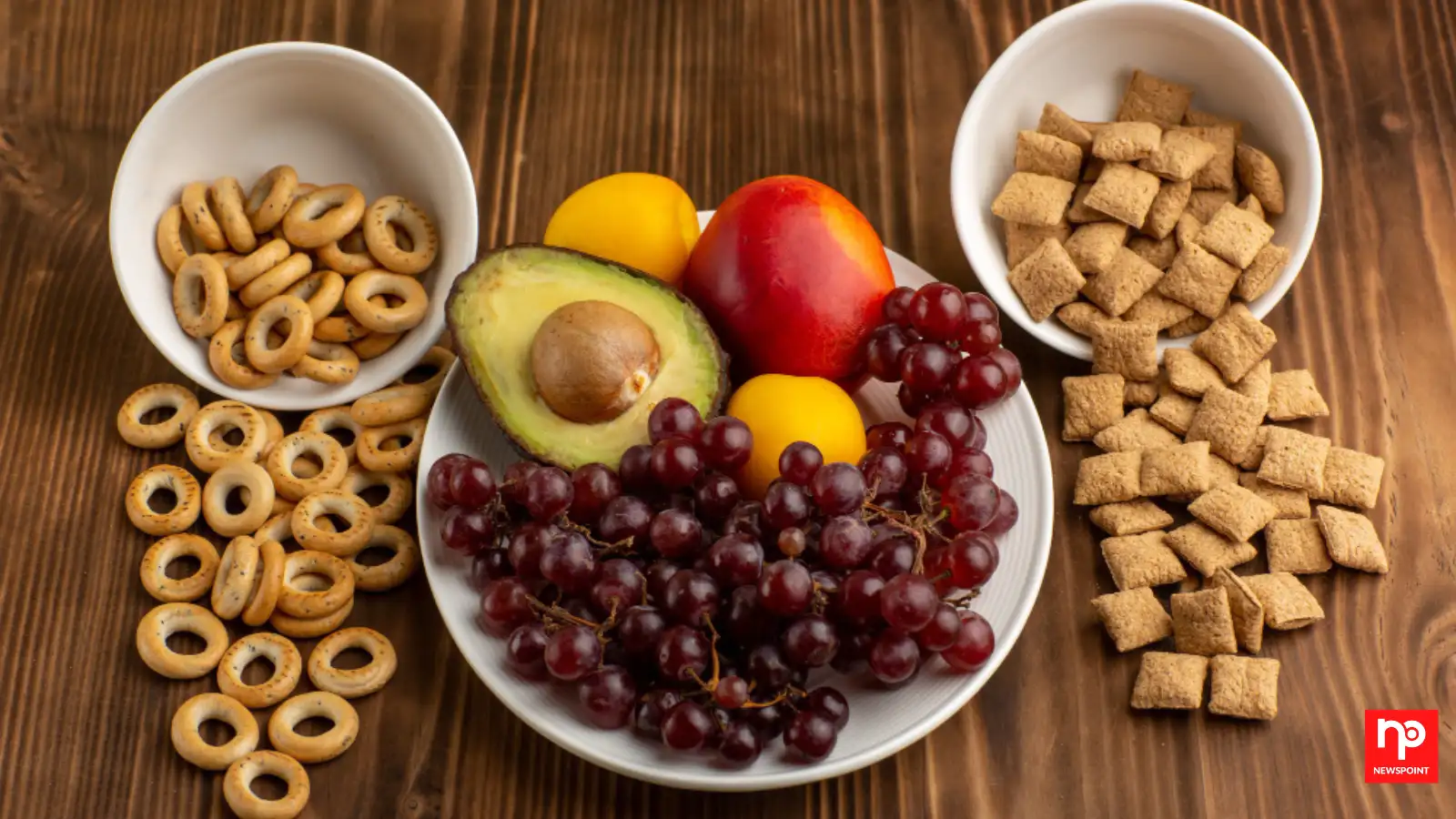
Healthy snacking options are not about strict rules or cutting out everything you enjoy. It is about making smarter, more mindful choices that support your body instead of working against it. When done right, snacking can boost your metabolism, improve focus, and even help maintain a balanced diet.
Let us break it down in a way that feels simple, realistic, and easy to follow.
Imagine someone working long hours without eating anything between meals. By the time they sit down for dinner, they are starving and likely to overeat. Now compare that to someone who includes balanced snacks in between. They feel more in control, eat moderate portions, and maintain steady energy levels.
Healthy snacking helps in maintaining blood sugar balance, preventing sudden hunger spikes, and keeping your mood stable. It is not just about physical health, it also supports mental clarity and productivity.
Think about how you feel after eating something sugary. You get a quick burst of energy, but it fades just as fast, leaving you tired again. On the other hand, a balanced snack keeps you feeling steady for longer.
The key lies in choosing snacks that provide lasting energy rather than quick fixes. Foods that are rich in natural nutrients, fiber, and essential fats tend to work better in keeping hunger at bay.
Picture this. You open a packet of snacks while watching your favorite show. Before you realize it, the packet is empty, and you do not even remember enjoying it.
Mindful snacking changes that experience. It encourages you to slow down, pay attention to hunger cues, and truly enjoy what you are eating. This simple shift can make a big difference in your relationship with food.
A practical way to approach this is by noticing your energy patterns. If you feel low or distracted between meals, that is usually a sign your body needs nourishment.
For example, someone with a busy work schedule might benefit from a mid-morning and mid-evening snack to stay focused and avoid fatigue. The idea is to support your routine rather than disrupt it.
A student preparing for exams may need snacks that support concentration. A working professional sitting for long hours might need something light yet sustaining. Someone constantly on their feet may require snacks that provide quick and lasting energy.
Understanding your lifestyle helps in choosing healthy snack ideas that actually work for you. It makes the process practical instead of overwhelming.
Another common issue is emotional eating. Stress, boredom, or even celebration can lead to unnecessary snacking. Recognizing these patterns is the first step toward change.
A helpful approach is to plan ahead. When you have better options readily available, you are less likely to reach for unhealthy alternatives. It is not about perfection, but about making better choices most of the time.
Start small. Instead of changing everything overnight, focus on one or two improvements. Maybe it is choosing more nutritious snacks during work hours or paying attention to portion sizes.
Over time, these small changes add up. They become part of your routine, and you no longer have to think twice about making healthier choices.
Healthy snacking options are not about strict rules or cutting out everything you enjoy. It is about making smarter, more mindful choices that support your body instead of working against it. When done right, snacking can boost your metabolism, improve focus, and even help maintain a balanced diet.
Let us break it down in a way that feels simple, realistic, and easy to follow.
Why Healthy Snacking Matters
Snacking often gets a bad reputation, mostly because it is associated with processed and high-sugar foods. But the truth is, your body actually benefits from small, well-timed meals throughout the day.Imagine someone working long hours without eating anything between meals. By the time they sit down for dinner, they are starving and likely to overeat. Now compare that to someone who includes balanced snacks in between. They feel more in control, eat moderate portions, and maintain steady energy levels.
Healthy snacking helps in maintaining blood sugar balance, preventing sudden hunger spikes, and keeping your mood stable. It is not just about physical health, it also supports mental clarity and productivity.
Understanding What Makes a Snack Healthy
A healthy snack is not defined by being low in calories alone. It is about balance and nourishment. A good snack should ideally include a mix of nutrients that keep you full and satisfied.Think about how you feel after eating something sugary. You get a quick burst of energy, but it fades just as fast, leaving you tired again. On the other hand, a balanced snack keeps you feeling steady for longer.
The key lies in choosing snacks that provide lasting energy rather than quick fixes. Foods that are rich in natural nutrients, fiber, and essential fats tend to work better in keeping hunger at bay.
The Role of Mindful Eating in Snacking
Healthy eating habits are not just about what you eat, but also how you eat. Mindless snacking is something most of us struggle with. Watching TV, scrolling through the phone, or working while eating often leads to overconsumption.Picture this. You open a packet of snacks while watching your favorite show. Before you realize it, the packet is empty, and you do not even remember enjoying it.
Mindful snacking changes that experience. It encourages you to slow down, pay attention to hunger cues, and truly enjoy what you are eating. This simple shift can make a big difference in your relationship with food.
Choosing the Right Time to Snack
Timing plays a bigger role than most people think. Snacking out of boredom or stress often leads to unhealthy choices. On the other hand, snacking when your body genuinely needs fuel helps maintain balance.A practical way to approach this is by noticing your energy patterns. If you feel low or distracted between meals, that is usually a sign your body needs nourishment.
You may also like
- Four Superfoods for Men's Health: Boost Your Strength Naturally
- Pink elephant, red flags: Jaipur shoot sparks outrage
- 4 Must-Visit Vishnu Temples on Akshaya Tritiya 2026
- Salmon DNA Skin Treatment: Does fish DNA soften the skin? Know what science says about it?
- Testosterone-boosting fruits: Is your relationship lacking love? These 5 fruits will boost your body's testosterone levels.
For example, someone with a busy work schedule might benefit from a mid-morning and mid-evening snack to stay focused and avoid fatigue. The idea is to support your routine rather than disrupt it.
Healthy Snacking for Different Lifestyles
Not everyone has the same routine, and that is perfectly fine. A student, a working professional, and someone managing a household all have different energy needs.A student preparing for exams may need snacks that support concentration. A working professional sitting for long hours might need something light yet sustaining. Someone constantly on their feet may require snacks that provide quick and lasting energy.
Understanding your lifestyle helps in choosing healthy snack ideas that actually work for you. It makes the process practical instead of overwhelming.
Overcoming Common Snacking Challenges
One of the biggest challenges people face is convenience. Unhealthy snacks are often more accessible, whether it is at home, work, or outside.Another common issue is emotional eating. Stress, boredom, or even celebration can lead to unnecessary snacking. Recognizing these patterns is the first step toward change.
A helpful approach is to plan ahead. When you have better options readily available, you are less likely to reach for unhealthy alternatives. It is not about perfection, but about making better choices most of the time.
Building Sustainable Healthy Eating Habits
Healthy snacking is not a short-term fix. It is part of a larger lifestyle. The goal is to create habits that you can maintain without feeling restricted.Start small. Instead of changing everything overnight, focus on one or two improvements. Maybe it is choosing more nutritious snacks during work hours or paying attention to portion sizes.
Over time, these small changes add up. They become part of your routine, and you no longer have to think twice about making healthier choices.






More from our partners


Loving Newspoint? Download the app now
