
Hidden Sugars in Food: What Is Healthy, What to Avoid, and Why You Should Eat Less Honey

Hidden sugars in your food can silently harm your health, making it essential to understand what’s truly healthy and what isn’t. While sugar in moderation is acceptable, excess sugar - especially the hidden kind - can lead to serious health issues like diabetes, obesity, and heart disease. This article reveals the truth about hidden sugars, the role of natural versus added sugars, and why even honey deserves to be consumed with caution.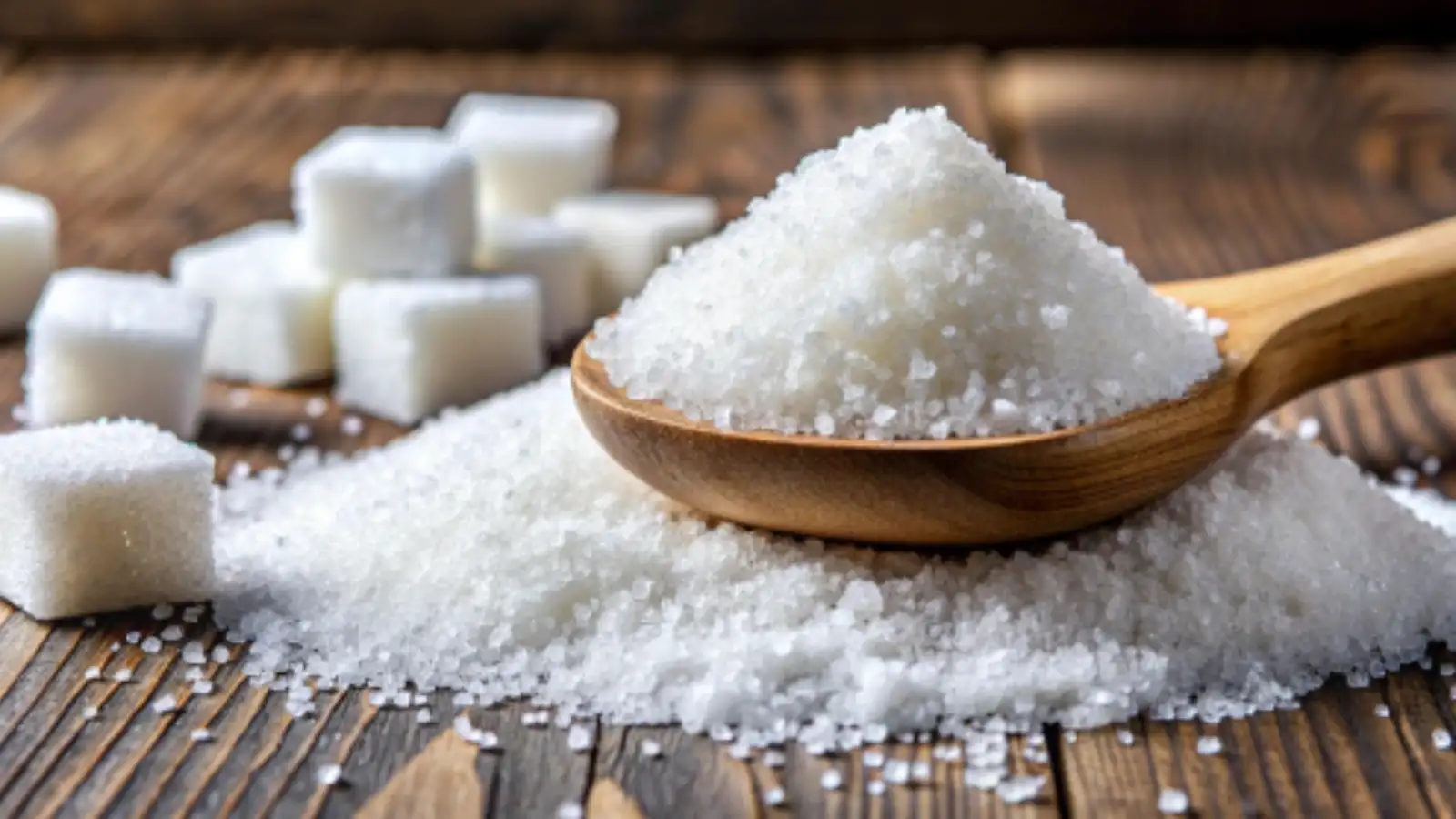
Sugar even impacts the brain, increasing cravings and causing energy crashes. According to Dr Rajiv Kovil, a leading diabetology and weight loss expert, “The biggest risk isn’t one sweet treat but the daily hidden sugars most people don’t notice. Cutting down sugar is one of the easiest and most impactful steps toward better health.”
The goal isn’t to eliminate sugar completely but to minimise added sugars in your diet to protect your metabolism and overall health.
Excess fructose turns into fat in the liver, increasing risks of fatty liver disease, insulin resistance, high triglycerides, and belly fat. Unlike glucose, fructose doesn’t trigger insulin or fullness hormones, so it’s easy to consume too much without feeling full.
For diabetics and those watching their weight, honey should be treated like any other sugar - used sparingly, not as a free or ‘healthy’ food. Dr Rajiv’s advice: "If you consume it, have very small amounts. The best alternative is to train your taste buds to need less sweetness overall."
Understanding hidden sugars and making mindful choices can dramatically improve your health. Focus on reducing added sugars, enjoying natural sources like whole fruits, and treating honey with moderation. By doing so, you safeguard your metabolism, protect your heart, and maintain better energy levels - all key to a healthier life.
The Sweet Danger of Excess Sugar
Sugar isn’t all bad - small amounts fuel the body. But consistently consuming too much sugar, especially hidden sugars in everyday foods, can cause weight gain, diabetes, fatty liver, heart problems, joint pain, weakened immunity, and faster aging. It also triggers inflammation and damages blood vessels and nerves over time. Children are especially vulnerable, suffering from obesity, cavities, and early insulin resistance.Sugar even impacts the brain, increasing cravings and causing energy crashes. According to Dr Rajiv Kovil, a leading diabetology and weight loss expert, “The biggest risk isn’t one sweet treat but the daily hidden sugars most people don’t notice. Cutting down sugar is one of the easiest and most impactful steps toward better health.”
Natural Sugars vs Added Sugars: What’s the Difference?
Not all sugars are the same. Natural sugars occur in fruits, milk, and vegetables, while added sugars - like white sugar - are refined and often added during cooking or processing. Dr Rajiv explains, “Natural sugars aren’t necessarily healthier, but they come with fiber, vitamins, and minerals that slow down sugar absorption. White sugar offers only empty calories without nutrients.”The goal isn’t to eliminate sugar completely but to minimise added sugars in your diet to protect your metabolism and overall health.
Juices vs Whole Fruits: Why Chewing Matters
Many people think fruit juices and honey are healthy sugar sources, but these can overload the body with fructose—a sugar that’s processed differently than glucose. Dr Rajiv advises, “Eating whole fruits is better than drinking fruit juices. Chewing fruit slows sugar absorption and provides fiber, but juices and large fruit portions can flood the liver with fructose.”Excess fructose turns into fat in the liver, increasing risks of fatty liver disease, insulin resistance, high triglycerides, and belly fat. Unlike glucose, fructose doesn’t trigger insulin or fullness hormones, so it’s easy to consume too much without feeling full.
Honey: A Sweet Treat That Needs Moderation
Honey may sound like a natural remedy, but metabolically it acts like sugar. Dr Rajiv cautions, “Honey sounds healthy, but metabolically it is still sugar - mainly fructose and glucose. It raises blood sugar and calories almost the same as white sugar. Small amounts may have minor antioxidants, but this does not cancel the sugar effect."For diabetics and those watching their weight, honey should be treated like any other sugar - used sparingly, not as a free or ‘healthy’ food. Dr Rajiv’s advice: "If you consume it, have very small amounts. The best alternative is to train your taste buds to need less sweetness overall."
Tips to Reduce Hidden Sugars Daily
- Read labels carefully to spot added sugars in biscuits, sauces, and packaged foods.
- Choose whole fruits over fruit juices and avoid sweetened drinks.
- Limit honey and sugary treats to occasional, small portions.
- Prefer eating small amounts of sugar with meals rather than drinking sugary beverages.
- Encourage children to develop a palate for less sweet flavors early on.
Understanding hidden sugars and making mindful choices can dramatically improve your health. Focus on reducing added sugars, enjoying natural sources like whole fruits, and treating honey with moderation. By doing so, you safeguard your metabolism, protect your heart, and maintain better energy levels - all key to a healthier life.
Next Story