
Holi 2026; Experiencing Holi In Its Birthplace Through Colour, Culture And Tradition

Holi 2026; How Experiencing Holi In Its Birthplace Offers A Truly Authentic Festive Feel: Experiencing Holi in its birthplace is considered one of the most vibrant cultural journeys for travellers and festival lovers. The festival of colours is deeply rooted in Indian mythology, tradition and social celebration. Visiting the places where Holi originated allows people to witness traditional rituals, music, dance and community celebrations. Unlike urban celebrations that focus mainly on colour play, traditional Holi celebrations emphasise cultural storytelling, religious rituals and historical heritage. The festival represents joy, unity and the arrival of spring season life. Every year, thousands of visitors travel to experience authentic celebrations in historic towns where ancient traditions are still preserved.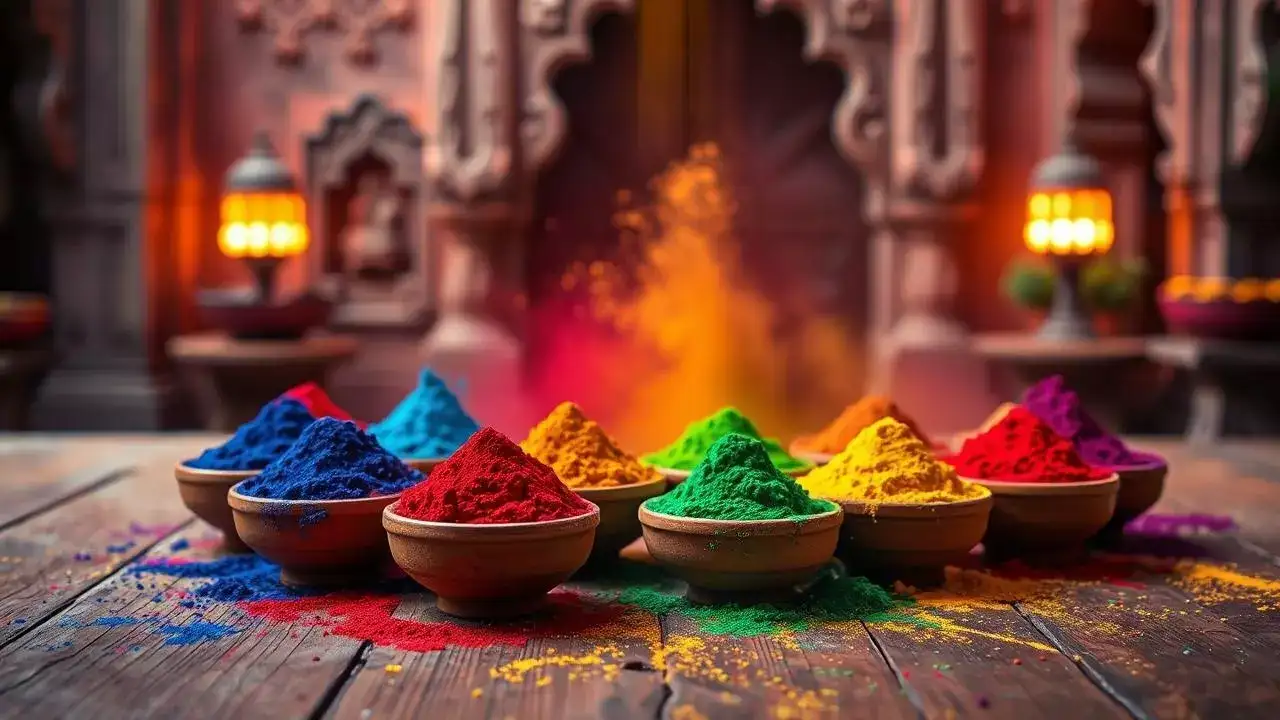
During Holi, temples in Vrindavan become centres of spiritual celebration. Devotees throw coloured powders while singing traditional songs that celebrate divine love and devotion. The atmosphere is both festive and spiritual, creating a unique experience for visitors. Streets become filled with music, flowers and traditional instruments. The celebration usually begins several days before the main festival day, allowing visitors to witness multiple cultural rituals.
The celebrations in Barsana are deeply connected to local folklore and historical stories. People dress in traditional clothing and participate in folk songs and dance performances. Visitors often travel here to witness this unique cultural ritual that cannot be experienced in modern city celebrations. Local communities actively participate in organising events, ensuring that traditional customs remain alive for future generations.
Traditional instruments such as drums and string instruments create lively festival rhythms. These musical performances reflect ancient cultural traditions passed through generations. The combination of music, food and colour creates a multi-sensory cultural experience. Visitors often find themselves immersed in community celebrations rather than being simple spectators.
Young generations are also taking active interest in preserving traditional customs. Cultural organisations and community groups work together to organise traditional festival programmes. These efforts help maintain the historical authenticity of celebrations while welcoming modern visitors.
Experiencing Holi in its birthplace provides more than just colourful celebrations. It offers insight into history, spirituality and community life. The festival continues to represent India’s rich cultural diversity and timeless traditions, making it one of the most unique festival experiences in the world.
The Spiritual Energy Of Vrindavan During Holi
The town of Vrindavan is widely considered one of the most important locations for Holi celebrations. The festival here is closely linked to stories of devotion, mythology and spiritual heritage. Temples across the town organise special ceremonies where devotees sing devotional songs and perform traditional dances.During Holi, temples in Vrindavan become centres of spiritual celebration. Devotees throw coloured powders while singing traditional songs that celebrate divine love and devotion. The atmosphere is both festive and spiritual, creating a unique experience for visitors. Streets become filled with music, flowers and traditional instruments. The celebration usually begins several days before the main festival day, allowing visitors to witness multiple cultural rituals.
Traditional Celebrations In Barsana And The Famous Lathmar Holi
Another important location for experiencing authentic Holi celebrations is Barsana. This town is famous for its traditional Lathmar Holi celebrations, where women playfully chase men with decorated wooden sticks. The festival symbolises playful cultural traditions and community bonding.The celebrations in Barsana are deeply connected to local folklore and historical stories. People dress in traditional clothing and participate in folk songs and dance performances. Visitors often travel here to witness this unique cultural ritual that cannot be experienced in modern city celebrations. Local communities actively participate in organising events, ensuring that traditional customs remain alive for future generations.
Cultural Music, Food And Social Bonding During Festival Season
Food and music play important roles during Holi celebrations in its birthplace regions. Traditional sweets and snacks are prepared in local households. Families share festive meals with visitors and neighbours, strengthening social connections. Folk music performances are organised in open spaces where people gather to celebrate together.Traditional instruments such as drums and string instruments create lively festival rhythms. These musical performances reflect ancient cultural traditions passed through generations. The combination of music, food and colour creates a multi-sensory cultural experience. Visitors often find themselves immersed in community celebrations rather than being simple spectators.
Tourism Growth And Cultural Preservation Through Festivals
Experiencing Holi in its birthplace has also contributed to cultural tourism growth. Many travellers visit these regions to understand traditional Indian festival culture. Local businesses benefit from increased tourism activity during festival seasons. Cultural preservation efforts ensure that traditional rituals are maintained alongside modern celebrations.Young generations are also taking active interest in preserving traditional customs. Cultural organisations and community groups work together to organise traditional festival programmes. These efforts help maintain the historical authenticity of celebrations while welcoming modern visitors.
Experiencing Holi in its birthplace provides more than just colourful celebrations. It offers insight into history, spirituality and community life. The festival continues to represent India’s rich cultural diversity and timeless traditions, making it one of the most unique festival experiences in the world.
Next Story