
Holi 2026; Traditional Sweets That Define India’s Festive Spirit And Cultural Legacy

Holi 2026; Exploring The Cultural Significance Of Time-Honoured Festive Sweets: Holi, often described as the festival of colours, is equally a festival of flavours. Beyond the vibrant gulal and joyous gatherings lies a rich culinary heritage that defines the spirit of the celebration. Traditional Holi sweets are not merely festive indulgences; they symbolise prosperity, togetherness, and cultural continuity. Prepared in homes and shared across communities, these delicacies represent warmth, hospitality, and the joy of seasonal transition. Each sweet carries a story rooted in regional customs, religious beliefs, and centuries-old culinary practices that make Holi a deeply immersive cultural experience.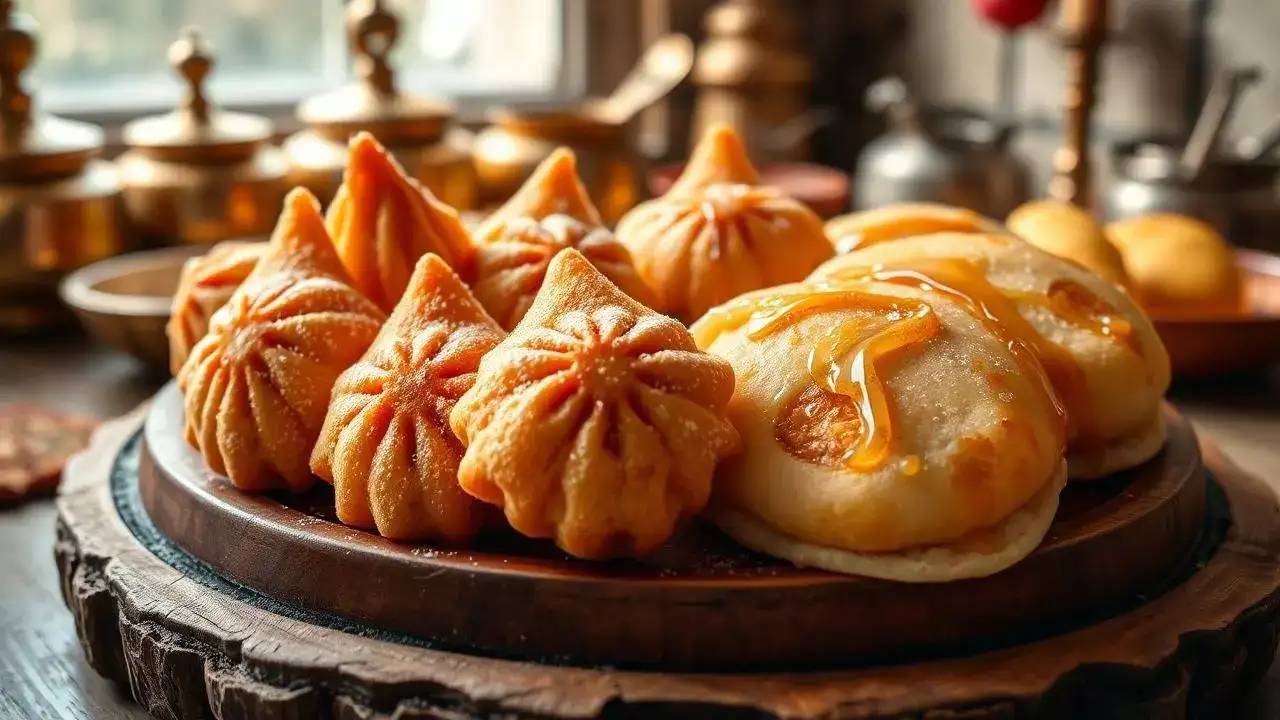
Exchanging sweets during Holi also strengthens social bonds. Families visit relatives, neighbours reconcile differences, and communities celebrate unity. Offering homemade delicacies is considered a gesture of goodwill and acceptance, reinforcing the festival’s message of harmony and renewal.
Culturally, gujiya signifies abundance and celebration. Its rich filling reflects indulgence after months of winter austerity. The practice of preparing gujiyas in large batches also fosters family bonding, as multiple generations gather to shape and seal the pastries together, turning cooking into a festive ritual.
The richness of malpua symbolises devotion and gratitude. Ingredients like milk, saffron, and dry fruits were historically considered luxurious, making the sweet a celebratory offering reserved for special occasions.
Thandai carries Ayurvedic relevance as well. Ingredients such as fennel, pepper, and almonds are believed to aid digestion and provide energy during long hours of celebration. Its preparation in large earthen pots and communal sharing reflects Holi’s inclusive spirit.
In Maharashtra, puran poli takes centre stage. This sweet flatbread stuffed with jaggery and lentils represents prosperity and is also linked to harvest celebrations.
In Gujarat, sweet saffron rice and lapsi are prepared, symbolising auspicious beginnings. Eastern India celebrates with payesh and malpua variations, while South Indian households prepare coconut-based sweets that align with local culinary traditions.
These regional adaptations highlight how Holi’s essence remains constant even as flavours change geographically.
Milk and khoya represent purity and nourishment. Dry fruits signify wealth and vitality. Jaggery symbolises warmth and positive energy, while saffron denotes luxury and auspiciousness.
Even the use of ghee has cultural undertones. Historically considered sacred, ghee was used generously during festivals to signify reverence and celebration.
In many households, the first batch is offered to deities before being shared. This ritual blends spirituality with celebration, emphasising gratitude before indulgence.
Workplaces, schools, and social organisations also exchange Holi special sweets , extending the festival’s warmth beyond domestic spaces.
Health-conscious adaptations have also emerged. Baked gujiyas, low-sugar laddoos, and vegan thandai are becoming popular among younger consumers who wish to honour tradition while aligning with modern dietary preferences.
Despite these innovations, the emotional value attached to traditional preparation remains unmatched.
Grandparents teaching children how to fold gujiyas or stir rabri slowly over hours is more than cooking; it is cultural preservation. These shared experiences strengthen identity and continuity in an increasingly globalised world.
As interest in regional cuisines grows, traditional Holi sweets are also gaining international recognition, becoming ambassadors of India’s festive gastronomy.
Traditional Holi sweets are far more than festive treats. They embody history, spirituality, agriculture, family bonds, and regional diversity. Each bite carries layers of meaning shaped by centuries of celebration. As colours fill the air and laughter echoes through homes, these sweets quietly uphold the festival’s deepest values — sharing, gratitude, and togetherness — ensuring that Holi’s cultural soul remains as rich as its flavours.
The Cultural Essence Of Sweets In Holi Celebrations
Sweets play a central role in almost every Indian festival, but during Holi they take on added emotional and social significance. The festival marks the arrival of spring and the end of winter, a time historically associated with abundance in agricultural societies. Preparing rich, ghee-laden sweets symbolised prosperity and gratitude for a successful harvest season.Exchanging sweets during Holi also strengthens social bonds. Families visit relatives, neighbours reconcile differences, and communities celebrate unity. Offering homemade delicacies is considered a gesture of goodwill and acceptance, reinforcing the festival’s message of harmony and renewal.
Gujiya: The Quintessential Holi Delight
No discussion of traditional Holi sweets is complete without mentioning gujiya. This crescent-shaped pastry, filled with khoya, dry fruits, and coconut, is perhaps the most iconic Holi delicacy in North India. Deep-fried and dipped lightly in sugar syrup, gujiya represents festivity in its most recognisable culinary form.Culturally, gujiya signifies abundance and celebration. Its rich filling reflects indulgence after months of winter austerity. The practice of preparing gujiyas in large batches also fosters family bonding, as multiple generations gather to shape and seal the pastries together, turning cooking into a festive ritual.
Malpua And Rabri: Sacred Sweetness
Malpua, often served with thick rabri, holds both festive and religious significance. These soft, syrup-soaked pancakes are traditionally prepared as offerings during Holi and other spring festivals. Their association with temple prasad in many regions elevates their cultural importance beyond household consumption.The richness of malpua symbolises devotion and gratitude. Ingredients like milk, saffron, and dry fruits were historically considered luxurious, making the sweet a celebratory offering reserved for special occasions.
Thandai: The Festive Elixir
While not a sweet in solid form, thandai is inseparable from Holi’s culinary identity. This cooling milk-based drink, flavoured with nuts, seeds, rose petals, and spices, is prepared to balance the body against the rising spring heat.Thandai carries Ayurvedic relevance as well. Ingredients such as fennel, pepper, and almonds are believed to aid digestion and provide energy during long hours of celebration. Its preparation in large earthen pots and communal sharing reflects Holi’s inclusive spirit.
Regional Variations That Enrich Tradition
India’s diversity is beautifully reflected in the variety of Holi festive foods prepared across regions.In Maharashtra, puran poli takes centre stage. This sweet flatbread stuffed with jaggery and lentils represents prosperity and is also linked to harvest celebrations.
In Gujarat, sweet saffron rice and lapsi are prepared, symbolising auspicious beginnings. Eastern India celebrates with payesh and malpua variations, while South Indian households prepare coconut-based sweets that align with local culinary traditions.
These regional adaptations highlight how Holi’s essence remains constant even as flavours change geographically.
Symbolism Behind Ingredients
Traditional Holi sweets are deeply symbolic in their composition.Milk and khoya represent purity and nourishment. Dry fruits signify wealth and vitality. Jaggery symbolises warmth and positive energy, while saffron denotes luxury and auspiciousness.
Even the use of ghee has cultural undertones. Historically considered sacred, ghee was used generously during festivals to signify reverence and celebration.
The Social Ritual Of Sharing
Preparing sweets at home remains one of Holi’s most cherished customs. Recipes are often passed down orally, preserving family legacies. The act of distributing sweets to neighbours and guests reinforces community belonging.In many households, the first batch is offered to deities before being shared. This ritual blends spirituality with celebration, emphasising gratitude before indulgence.
Workplaces, schools, and social organisations also exchange Holi special sweets , extending the festival’s warmth beyond domestic spaces.
Modern Adaptations And Changing Lifestyles
Urbanisation and fast-paced lifestyles have influenced how traditional Holi sweets are consumed. While many families still prepare them at home, there is a growing reliance on sweet shops and artisanal confectioners.Health-conscious adaptations have also emerged. Baked gujiyas, low-sugar laddoos, and vegan thandai are becoming popular among younger consumers who wish to honour tradition while aligning with modern dietary preferences.
Despite these innovations, the emotional value attached to traditional preparation remains unmatched.
Preserving Culinary Heritage Through Festivals
Festivals like Holi act as living museums of culinary heritage. They ensure that recipes, techniques, and cultural meanings are transmitted across generations.Grandparents teaching children how to fold gujiyas or stir rabri slowly over hours is more than cooking; it is cultural preservation. These shared experiences strengthen identity and continuity in an increasingly globalised world.
As interest in regional cuisines grows, traditional Holi sweets are also gaining international recognition, becoming ambassadors of India’s festive gastronomy.
Traditional Holi sweets are far more than festive treats. They embody history, spirituality, agriculture, family bonds, and regional diversity. Each bite carries layers of meaning shaped by centuries of celebration. As colours fill the air and laughter echoes through homes, these sweets quietly uphold the festival’s deepest values — sharing, gratitude, and togetherness — ensuring that Holi’s cultural soul remains as rich as its flavours.
Next Story