
Holistic Wellness From Indian Traditions: Timeless Daily Practices For A Healthier Modern Life

In a world increasingly driven by speed, digital overload and constant stimulation, the idea of wellness is evolving beyond quick fixes. More people are now turning towards slower, deeper and more sustainable ways of living. This is where Indian wellness traditions continue to feel remarkably relevant. Rooted in balance, rhythm and awareness, these practices approach health as an interconnected relationship between the body, mind, food, sleep, breath and environment.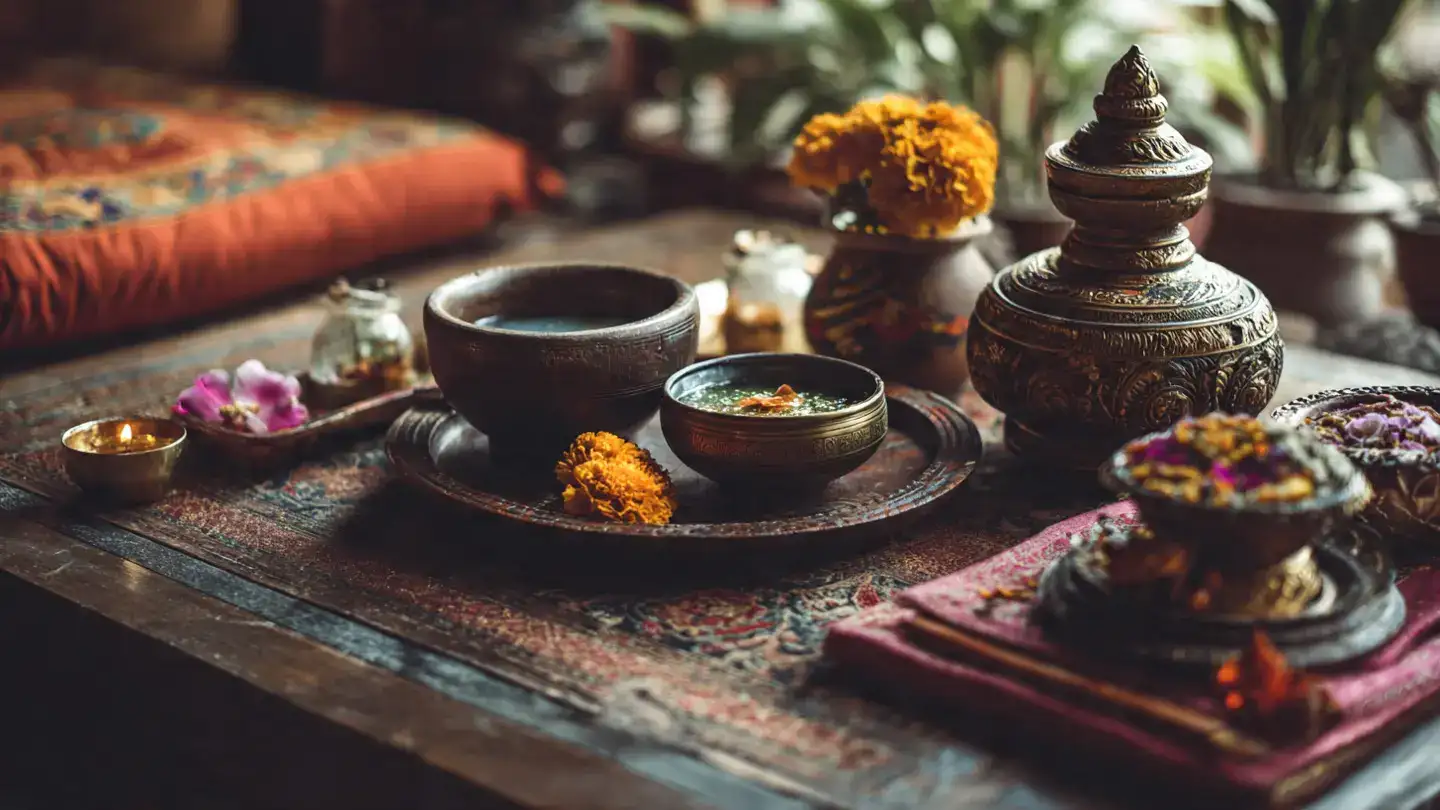
What makes these traditions powerful is their everyday practicality. They are not limited to rituals or ancient texts but can be woven naturally into modern routines. From the structure of an Ayurveda lifestyle to the calming power of yoga and mindful breathing, holistic wellness India has always emphasised prevention, balance and harmony over reactive care.
Warm water in the morning, gentle oil massage, herbal infusions and balanced meals are often used to support digestion and circulation. Rather than one-size-fits-all routines, Ayurveda lifestyle tips encourage people to listen to their body type, seasonal needs and digestion patterns.
This personalised approach makes the system feel surprisingly modern despite its ancient roots.
Simple asanas improve posture, circulation and mobility, while slower sequences help calm the nervous system. For many people, even 20 minutes of yoga daily improves focus and reduces physical stiffness caused by desk-heavy lifestyles.
What makes yoga essential to holistic wellness India is that it treats movement as both physical exercise and mental reset.
Techniques such as alternate nostril breathing, deep diaphragmatic breathing and slow counted breaths can support calmness within minutes. These practices are especially useful in today’s fast-paced environment where stress often accumulates silently.
Including just five minutes of breathwork in the morning or before sleep can help create a steadier emotional rhythm.
Turmeric, ginger, cumin, fennel and coriander are more than flavouring agents. They have long been valued for digestive and balancing qualities in traditional wellness practices.
Mindful living India also encourages eating without distraction, chewing slowly and aligning heavier meals earlier in the day when digestion may feel strongest.
This transforms food from simple fuel into a conscious wellness practice.
Cooling foods, buttermilk and lighter meals suit summer. Winter often calls for ghee, nuts, warm spices and nourishing grains. Monsoon may emphasise digestive care and immunity-supporting foods.
This alignment with the environment makes holistic wellness India deeply sustainable and responsive rather than rigid.
These rituals are less about religion and more about intentionality. They slow thought patterns, create emotional grounding and improve self-awareness.
For modern readers seeking mindful living India, these small reflective habits can become powerful anchors against stress and overstimulation.
Hydration, movement, sleep timing, mindful food choices, breath awareness and emotional balance are all ideas modern wellness continues to rediscover. Indian traditions simply approached them centuries earlier through a more integrated lens.
Holistic wellness from Indian traditions is not about rejecting modern life. It is about creating a healthier relationship with it. By bringing together Ayurveda lifestyle tips, yoga, seasonal food wisdom and natural healing habits, these practices offer a grounded path to better wellbeing.
In many ways, the future of wellness may actually lie in remembering what traditional wellness practices have long understood: true health is built through daily balance, not occasional correction.
Image Courtesy: Meta AI
What makes these traditions powerful is their everyday practicality. They are not limited to rituals or ancient texts but can be woven naturally into modern routines. From the structure of an Ayurveda lifestyle to the calming power of yoga and mindful breathing, holistic wellness India has always emphasised prevention, balance and harmony over reactive care.
Ayurveda And The Wisdom Of Daily Rhythm
Ayurveda remains one of the most recognised traditional wellness practices from India. At its heart is the idea that daily routines shape long-term health. Waking with natural daylight, eating meals at regular times and aligning sleep with the body’s internal rhythm are core habits.Warm water in the morning, gentle oil massage, herbal infusions and balanced meals are often used to support digestion and circulation. Rather than one-size-fits-all routines, Ayurveda lifestyle tips encourage people to listen to their body type, seasonal needs and digestion patterns.
This personalised approach makes the system feel surprisingly modern despite its ancient roots.
Yoga As Movement And Inner Stability
Few Indian wellness traditions have travelled globally as deeply as yoga. Yet beyond physical flexibility, yoga is fundamentally about connection between movement, breath and awareness.Simple asanas improve posture, circulation and mobility, while slower sequences help calm the nervous system. For many people, even 20 minutes of yoga daily improves focus and reduces physical stiffness caused by desk-heavy lifestyles.
What makes yoga essential to holistic wellness India is that it treats movement as both physical exercise and mental reset.
Breathwork For Calm And Clarity
Pranayama, the practice of controlled breathing, is one of the most practical natural healing habits from Indian traditions. Breath directly influences stress response, focus and emotional regulation.Techniques such as alternate nostril breathing, deep diaphragmatic breathing and slow counted breaths can support calmness within minutes. These practices are especially useful in today’s fast-paced environment where stress often accumulates silently.
Including just five minutes of breathwork in the morning or before sleep can help create a steadier emotional rhythm.
Food As A Daily Wellness Ritual
Traditional Indian wellness places enormous value on how food is prepared, eaten and digested. Freshly cooked meals, seasonal ingredients, warming spices and mindful portions are central to the philosophy.Turmeric, ginger, cumin, fennel and coriander are more than flavouring agents. They have long been valued for digestive and balancing qualities in traditional wellness practices.
Mindful living India also encourages eating without distraction, chewing slowly and aligning heavier meals earlier in the day when digestion may feel strongest.
This transforms food from simple fuel into a conscious wellness practice.
Seasonal Living And Nature Alignment
A major strength of Indian wellness traditions is their seasonal intelligence. The body’s needs change with heat, cold, humidity and daylight, and routines are adjusted accordingly.Cooling foods, buttermilk and lighter meals suit summer. Winter often calls for ghee, nuts, warm spices and nourishing grains. Monsoon may emphasise digestive care and immunity-supporting foods.
This alignment with the environment makes holistic wellness India deeply sustainable and responsive rather than rigid.
Mental Stillness Through Ritual And Reflection
Ancient Indian traditions have always recognised that the mind needs as much care as the body. Silence, gratitude rituals, mantra repetition, journalling and prayer all create moments of pause in an otherwise noisy life.These rituals are less about religion and more about intentionality. They slow thought patterns, create emotional grounding and improve self-awareness.
For modern readers seeking mindful living India, these small reflective habits can become powerful anchors against stress and overstimulation.
Why These Traditions Still Matter Today
The enduring relevance of Indian wellness traditions lies in their simplicity. They do not depend on expensive products, complicated tools or extreme routines. Instead, they focus on rhythm, prevention and consistency.Hydration, movement, sleep timing, mindful food choices, breath awareness and emotional balance are all ideas modern wellness continues to rediscover. Indian traditions simply approached them centuries earlier through a more integrated lens.
Holistic wellness from Indian traditions is not about rejecting modern life. It is about creating a healthier relationship with it. By bringing together Ayurveda lifestyle tips, yoga, seasonal food wisdom and natural healing habits, these practices offer a grounded path to better wellbeing.
In many ways, the future of wellness may actually lie in remembering what traditional wellness practices have long understood: true health is built through daily balance, not occasional correction.
Image Courtesy: Meta AI
Next Story