
Honey vs Sugar: Which Is Healthier, What Experts Say, And How To Choose The Better Sweetener For Daily Use

Honey Vs Sugar ; Understanding The Basics: Sweeteners are a staple in most kitchens, but the debate around honey vs sugar continues to gain attention. Both are used to enhance taste, yet they differ in composition, nutritional value, and how they affect the body. While sugar is a refined product extracted primarily from sugarcane or sugar beet, honey is a natural substance produced by bees using nectar from flowers.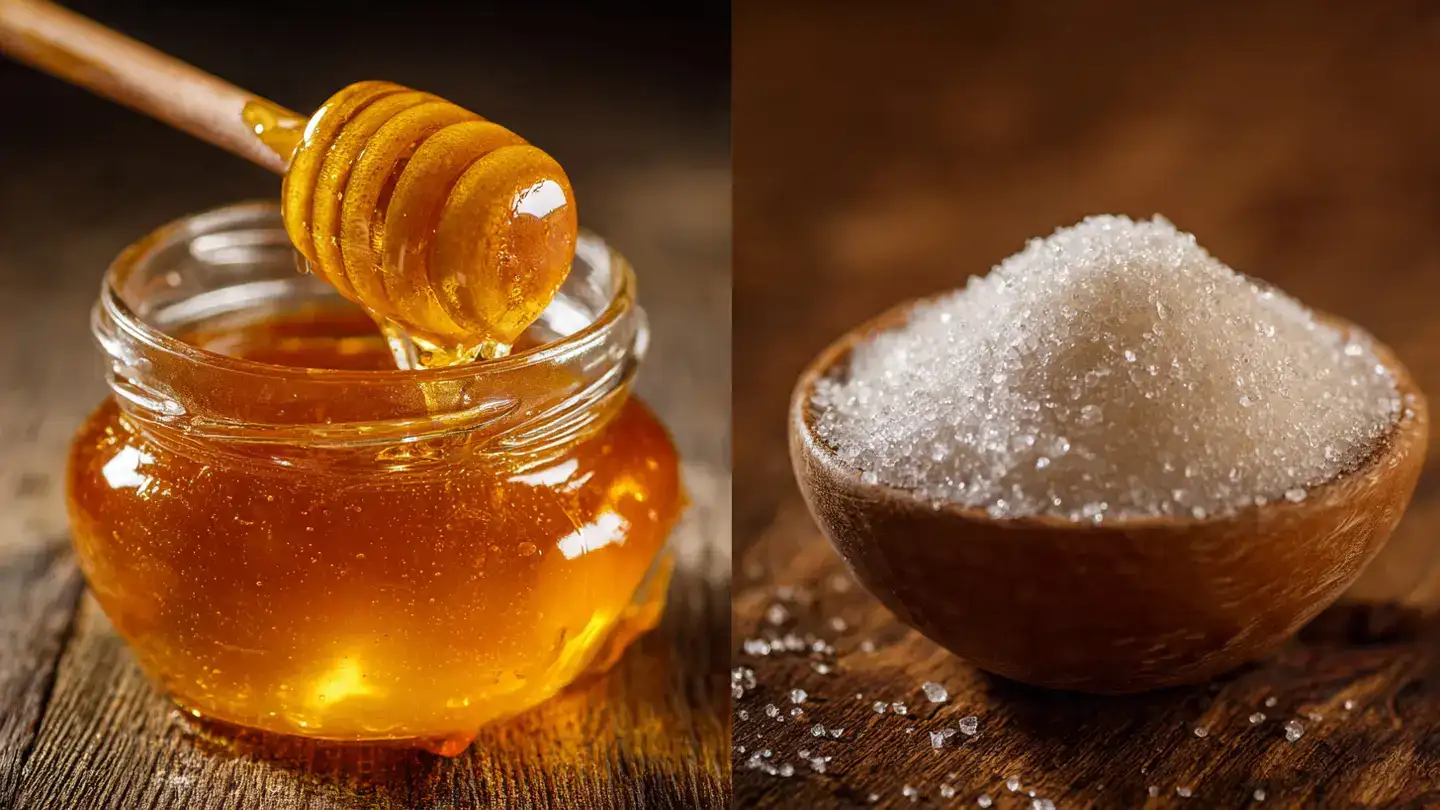
At first glance, both may seem similar because they provide sweetness and energy. However, their journey through the body and their overall health impact reveal key differences that are important for daily consumption.
Interestingly, honey is slightly higher in calories per tablespoon than sugar. However, because it is sweeter, people often use less of it, which can balance overall intake. Honey nutrition also includes trace elements such as potassium and magnesium, though in limited quantities.
Despite these differences, both sweeteners can contribute to increased calorie consumption if used excessively. Moderation remains the key.
Honey, although still a form of sugar, has a slightly lower glycaemic index compared to refined sugar. This means it may cause a slower rise in blood sugar levels. However, it is important to note that honey still affects blood glucose and should be consumed carefully, especially by individuals managing blood sugar-related conditions.
Understanding sugar health effects helps in making better dietary choices. Neither option should be considered entirely risk-free when consumed in large amounts.
In contrast, refined sugar offers no such benefits. Excessive intake of sugar is linked to several health concerns, including weight gain, increased risk of metabolic issues, and dental problems. These refined sugar risks have led many people to seek alternatives like honey or other natural sweeteners .
However, honey is not entirely without drawbacks. It is still high in sugars and calories, and overconsumption can lead to similar health issues as sugar. Therefore, it should not be seen as a completely healthy substitute but rather a slightly better option when used in moderation.
When considering natural sweeteners, honey stands out for its versatility and flavour profile. It can enhance both taste and texture in certain recipes. However, it may not always be a direct replacement for sugar in baking, as it affects moisture and consistency.
Balancing taste and health is essential. Reducing overall sweetener intake, regardless of the type, is a practical approach to maintaining a healthy diet.
For those looking to improve their diet, focusing on reducing added sugars altogether is more important than simply switching from sugar to honey. Using either sweetener sparingly can help maintain better overall health.
Understanding the differences between these sweeteners allows for more informed choices. Whether it is honey or sugar, mindful consumption remains the most effective strategy for long-term well-being.
Image Courtesy: Meta AI
At first glance, both may seem similar because they provide sweetness and energy. However, their journey through the body and their overall health impact reveal key differences that are important for daily consumption.
Nutritional Profile And Calorie Content
When comparing honey vs sugar, calorie content is often the first point of discussion. Sugar is almost entirely made up of sucrose and provides empty calories with no additional nutrients. On the other hand, honey contains small amounts of vitamins, minerals, and antioxidants, which contribute to its perceived health value.Interestingly, honey is slightly higher in calories per tablespoon than sugar. However, because it is sweeter, people often use less of it, which can balance overall intake. Honey nutrition also includes trace elements such as potassium and magnesium, though in limited quantities.
Despite these differences, both sweeteners can contribute to increased calorie consumption if used excessively. Moderation remains the key.
How They Affect Blood Sugar Levels
One of the major concerns regarding sweeteners is their impact on blood sugar. Refined sugar is known to cause rapid spikes in blood glucose levels, which can lead to energy crashes and increased hunger shortly after consumption.Honey, although still a form of sugar, has a slightly lower glycaemic index compared to refined sugar. This means it may cause a slower rise in blood sugar levels. However, it is important to note that honey still affects blood glucose and should be consumed carefully, especially by individuals managing blood sugar-related conditions.
Understanding sugar health effects helps in making better dietary choices. Neither option should be considered entirely risk-free when consumed in large amounts.
Health Benefits And Risks
The conversation around honey benefits often highlights its natural origin and additional compounds. Honey contains antioxidants, which can help combat oxidative stress in the body. It is also commonly used in home remedies for soothing sore throats and minor coughs.In contrast, refined sugar offers no such benefits. Excessive intake of sugar is linked to several health concerns, including weight gain, increased risk of metabolic issues, and dental problems. These refined sugar risks have led many people to seek alternatives like honey or other natural sweeteners .
However, honey is not entirely without drawbacks. It is still high in sugars and calories, and overconsumption can lead to similar health issues as sugar. Therefore, it should not be seen as a completely healthy substitute but rather a slightly better option when used in moderation.
Usage In Daily Diet
Choosing between honey and sugar often depends on how they are used in everyday meals. Sugar is commonly added to tea, coffee, baked goods, and desserts due to its neutral flavour and easy availability. Honey, with its distinct taste, is often preferred in beverages, breakfast dishes, and as a topping for foods like yoghurt or toast.When considering natural sweeteners, honey stands out for its versatility and flavour profile. It can enhance both taste and texture in certain recipes. However, it may not always be a direct replacement for sugar in baking, as it affects moisture and consistency.
Balancing taste and health is essential. Reducing overall sweetener intake, regardless of the type, is a practical approach to maintaining a healthy diet.
Which One Should You Choose
The decision between honey vs sugar ultimately depends on individual preferences, dietary needs, and health goals. Honey may offer slight advantages due to its natural composition and added nutrients. However, these benefits are relatively small when compared to the impact of total sugar intake.For those looking to improve their diet, focusing on reducing added sugars altogether is more important than simply switching from sugar to honey. Using either sweetener sparingly can help maintain better overall health.
Understanding the differences between these sweeteners allows for more informed choices. Whether it is honey or sugar, mindful consumption remains the most effective strategy for long-term well-being.
Image Courtesy: Meta AI
Next Story