
How A Balanced Vegetarian Diet Helps Senior Citizens Stay Active, Strong And Nutritionally Secure

A well-planned balanced vegetarian diet can play a major role in helping senior citizens maintain strength, mobility, and overall wellbeing. With the right mix of protein, fibre, calcium, healthy fats, and vitamins, older adults can support bone health, digestion, immunity, and energy levels. Choosing nutrient-dense plant-based foods also helps manage age-related concerns while making everyday meals simple, satisfying, and naturally wholesome.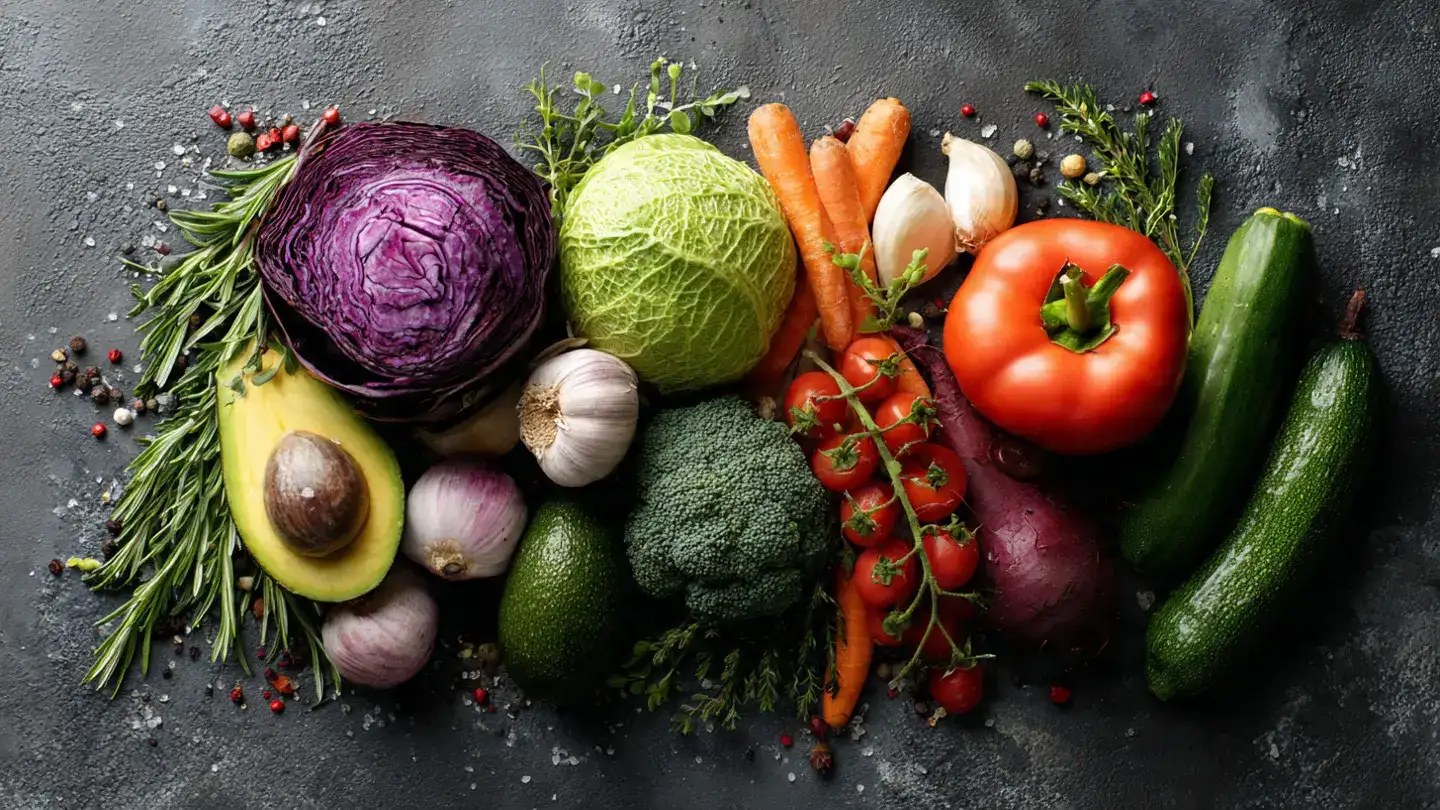
As people grow older, nutritional needs change significantly. The body may require fewer calories, but the demand for high-quality nutrients often increases. This is why a balanced vegetarian diet for senior citizens can be an excellent way to support healthy ageing. When planned thoughtfully, vegetarian meals provide essential protein, vitamins, minerals, fibre, and antioxidants that help older adults stay active and maintain a better quality of life.
A vegetarian eating pattern can be especially beneficial for senior citizens because it is naturally rich in fruits, vegetables, whole grains, pulses, nuts, seeds, and dairy products. These foods can help support heart health, improve digestion, and reduce the risk of lifestyle-related concerns often linked with ageing.
A balanced vegetarian diet ensures that every meal contributes to strength and recovery. Protein becomes crucial for maintaining muscle mass, while calcium and vitamin D support bones and joints. Fibre helps prevent constipation, which is a common issue among older adults, while healthy fats nourish the brain and support heart health.
Senior citizens who consume nutrient-rich vegetarian foods often find it easier to maintain stable energy levels through the day without feeling overly heavy after meals.
Protein should be a priority. Lentils, chickpeas, kidney beans, paneer, yoghurt, milk, tofu, soy chunks, and sprouts are excellent vegetarian protein sources. These foods help preserve muscle strength and support tissue repair.
Calcium is equally important for ageing adults. Milk, curd, paneer, sesame seeds, ragi, almonds, and leafy greens can support bone density and reduce the risk of fractures.
Vitamin B12 deserves attention, as vegetarian diets may sometimes fall short. Dairy products and fortified cereals can help, and supplements may be considered if recommended by a healthcare professional.
Iron-rich foods such as spinach, beetroot, dates, raisins, jaggery, and legumes support healthy blood circulation. Pairing them with vitamin C-rich foods like oranges, amla, guava, or tomatoes can improve absorption.
Healthy fats from walnuts, flaxseeds, chia seeds, and almonds support brain function and may help with memory and concentration.
Breakfast can include vegetable poha, oats with milk and nuts, moong chilla with curd, or whole grain toast with peanut butter and fruit.
Mid-morning snacks may include seasonal fruits, buttermilk, soaked almonds, or a small bowl of sprouts.
Lunch should ideally combine roti or brown rice with dal, one green vegetable, curd, salad, and a protein-rich side such as paneer or soybean curry.
Evening snacks can include roasted chana, vegetable soup, fruit chaat, or a light sandwich made with whole grain bread.
Dinner should remain lighter than lunch. Khichdi with vegetables, dal soup with multigrain toast, soft rotis with sabzi, or vegetable daliya are easy-to-digest choices.
Probiotic foods like curd, yoghurt, and buttermilk support digestion and may strengthen immunity. Including turmeric, ginger, garlic, tulsi, and black pepper in meals can further enhance the anti-inflammatory and immune-supporting properties of food.
Hydration should not be ignored. Many older adults may not feel thirsty regularly, so regular intake of water, soups, coconut water, lemon water, and herbal drinks is important.
Skipping meals is another concern. Older adults need regular nourishment to maintain blood sugar stability and prevent weakness.
Too much fried food, sweets, or processed snacks can increase digestive discomfort and may affect heart health.
Portion size also matters. The goal is not to eat more, but to eat smarter with nutrient-dense foods.
Most importantly, a balanced vegetarian diet for senior citizens encourages mindful eating built around natural, fresh foods. This makes meals both enjoyable and beneficial, helping older adults age with greater comfort, independence, and vitality.
With the right food choices every day, healthy ageing can become a realistic and sustainable goal.
Image Courtesy: Meta AI
As people grow older, nutritional needs change significantly. The body may require fewer calories, but the demand for high-quality nutrients often increases. This is why a balanced vegetarian diet for senior citizens can be an excellent way to support healthy ageing. When planned thoughtfully, vegetarian meals provide essential protein, vitamins, minerals, fibre, and antioxidants that help older adults stay active and maintain a better quality of life.
A vegetarian eating pattern can be especially beneficial for senior citizens because it is naturally rich in fruits, vegetables, whole grains, pulses, nuts, seeds, and dairy products. These foods can help support heart health, improve digestion, and reduce the risk of lifestyle-related concerns often linked with ageing.
Why Nutrition Matters More After 60
Ageing brings several physical changes, including slower metabolism, reduced muscle mass, weaker bones, and changes in digestion. Appetite may also reduce, making it important to focus on foods that deliver more nutrition in smaller portions.A balanced vegetarian diet ensures that every meal contributes to strength and recovery. Protein becomes crucial for maintaining muscle mass, while calcium and vitamin D support bones and joints. Fibre helps prevent constipation, which is a common issue among older adults, while healthy fats nourish the brain and support heart health.
Senior citizens who consume nutrient-rich vegetarian foods often find it easier to maintain stable energy levels through the day without feeling overly heavy after meals.
Key Nutrients Every Senior Citizen Needs
The foundation of senior citizen nutrition lies in choosing foods that are easy to digest and rich in essential nutrients.Protein should be a priority. Lentils, chickpeas, kidney beans, paneer, yoghurt, milk, tofu, soy chunks, and sprouts are excellent vegetarian protein sources. These foods help preserve muscle strength and support tissue repair.
Calcium is equally important for ageing adults. Milk, curd, paneer, sesame seeds, ragi, almonds, and leafy greens can support bone density and reduce the risk of fractures.
Vitamin B12 deserves attention, as vegetarian diets may sometimes fall short. Dairy products and fortified cereals can help, and supplements may be considered if recommended by a healthcare professional.
Iron-rich foods such as spinach, beetroot, dates, raisins, jaggery, and legumes support healthy blood circulation. Pairing them with vitamin C-rich foods like oranges, amla, guava, or tomatoes can improve absorption.
Healthy fats from walnuts, flaxseeds, chia seeds, and almonds support brain function and may help with memory and concentration.
Ideal Meal Structure For A Healthy Vegetarian Diet
A practical healthy ageing diet should include small, frequent meals instead of three heavy ones.Breakfast can include vegetable poha, oats with milk and nuts, moong chilla with curd, or whole grain toast with peanut butter and fruit.
Mid-morning snacks may include seasonal fruits, buttermilk, soaked almonds, or a small bowl of sprouts.
Lunch should ideally combine roti or brown rice with dal, one green vegetable, curd, salad, and a protein-rich side such as paneer or soybean curry.
Evening snacks can include roasted chana, vegetable soup, fruit chaat, or a light sandwich made with whole grain bread.
Dinner should remain lighter than lunch. Khichdi with vegetables, dal soup with multigrain toast, soft rotis with sabzi, or vegetable daliya are easy-to-digest choices.
Foods That Support Digestion And Immunity
Digestive comfort becomes highly important in later years. Fibre-rich foods such as oats, apples, papaya, carrots, bottle gourd, and whole grains help regulate bowel movements and improve gut health.Probiotic foods like curd, yoghurt, and buttermilk support digestion and may strengthen immunity. Including turmeric, ginger, garlic, tulsi, and black pepper in meals can further enhance the anti-inflammatory and immune-supporting properties of food.
Hydration should not be ignored. Many older adults may not feel thirsty regularly, so regular intake of water, soups, coconut water, lemon water, and herbal drinks is important.
Common Mistakes To Avoid In Senior Citizen Diets
One common mistake is relying too heavily on carbohydrates while neglecting protein. A plate filled only with rice or rotis without dal, curd, or legumes may not meet nutritional needs.Skipping meals is another concern. Older adults need regular nourishment to maintain blood sugar stability and prevent weakness.
Too much fried food, sweets, or processed snacks can increase digestive discomfort and may affect heart health.
Portion size also matters. The goal is not to eat more, but to eat smarter with nutrient-dense foods.
The Long-Term Benefits Of A Balanced Vegetarian Lifestyle
A carefully designed vegetarian diet can improve energy, support better mobility, strengthen bones, and promote healthy digestion. It may also help manage cholesterol, blood pressure, and weight, all of which are common concerns in later life.Most importantly, a balanced vegetarian diet for senior citizens encourages mindful eating built around natural, fresh foods. This makes meals both enjoyable and beneficial, helping older adults age with greater comfort, independence, and vitality.
With the right food choices every day, healthy ageing can become a realistic and sustainable goal.
Image Courtesy: Meta AI
Next Story