
How Bees Play A Crucial Role In Supporting Global Food Production And Agricultural Sustainability

Bees are among the most important contributors to global food production, yet their role often goes unnoticed. These small insects perform a task that is fundamental to agriculture: pollination. Without bees, many of the crops that form the backbone of human diets would struggle to grow or reproduce effectively. From fruits and vegetables to nuts and seeds, bees support a wide range of food systems. Their work not only improves crop yields but also enhances quality and diversity, making them indispensable to modern farming and global food security.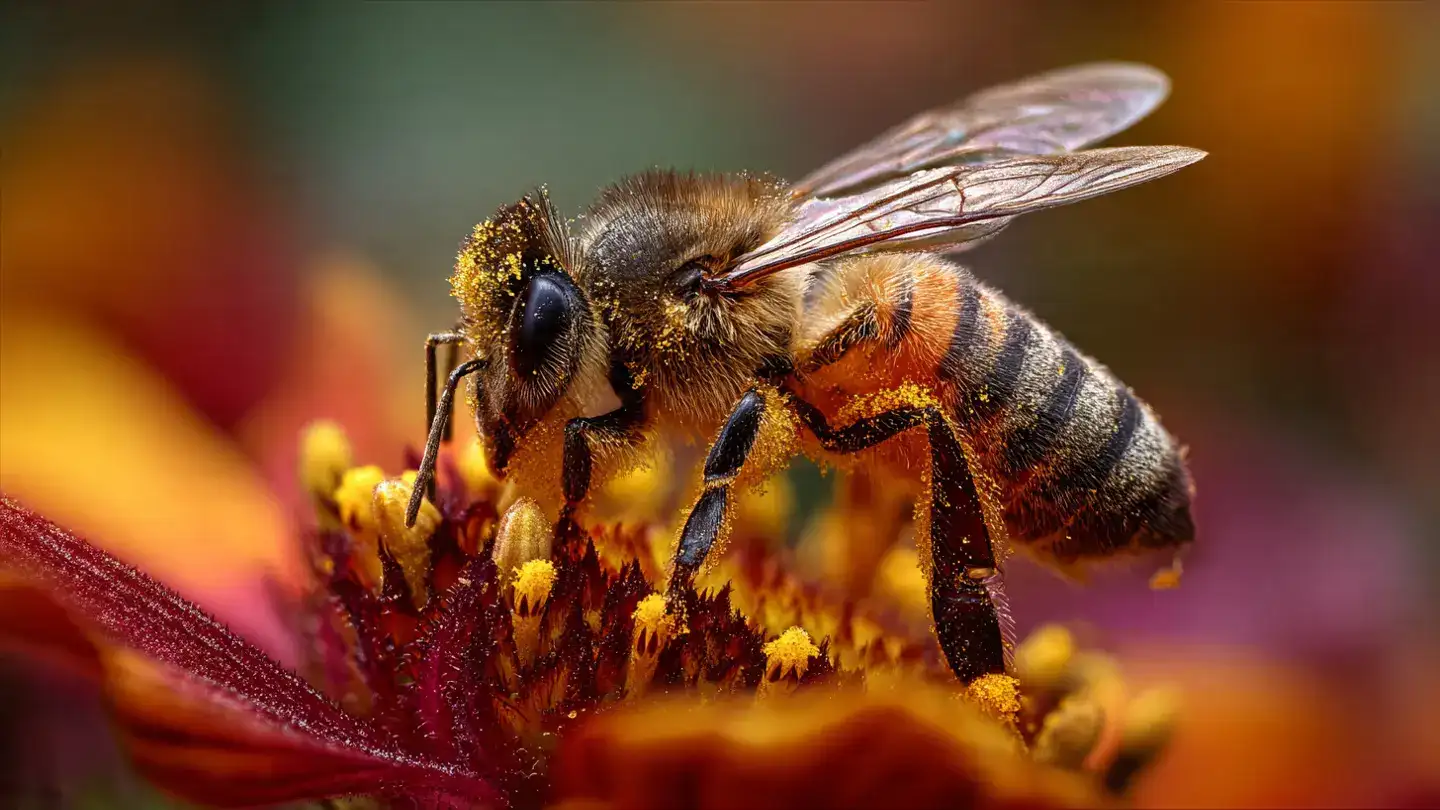
As bees move from flower to flower in search of nectar, pollen naturally sticks to their bodies. Their fuzzy hairs are specially adapted to trap pollen grains, which are then transferred between plants. This efficiency makes bee pollination far more reliable than wind or other insects for many crops.
In agriculture, this process directly influences productivity. Crops that depend on insect pollination often produce higher yields and better-quality produce when bees are present. This is why pollination in agriculture is considered a cornerstone of sustainable farming.
Many commonly consumed foods rely heavily on bees. Apples, almonds, berries, cucumbers, and mustard crops are just a few examples. Without adequate pollination, these crops may produce fewer fruits or none at all.
Bees also support genetic diversity in plants. By transferring pollen between different plants, they help maintain healthy crop populations. This diversity is crucial for resilience against diseases, pests, and changing environmental conditions.
Their work ensures stable food supplies and supports the livelihoods of farmers. In many regions, agricultural economies rely heavily on pollination services provided by bees. Reduced bee populations can lead to lower yields, increased costs, and potential food shortages.
In this way, bees act as a natural support system for agriculture. Their presence reduces the need for artificial interventions and helps maintain balance within farming ecosystems.
Environmentally, bees play a key role in maintaining biodiversity. By supporting flowering plants, they help sustain ecosystems that provide habitat and food for other species. This interconnected system strengthens the overall health of the environment.
Additionally, bee pollination benefits farmers by reducing dependence on chemical inputs. Healthy pollination can improve plant strength and yield naturally, aligning with sustainable farming practices.
Protecting bees is essential for the future of agriculture. Simple measures such as planting pollinator-friendly crops, reducing harmful pesticide use, and preserving natural habitats can make a significant difference.
Farmers, policymakers, and individuals all have a role to play in ensuring the survival of bees. Supporting these efforts helps secure food systems and maintain ecological balance.
Bees are far more than just honey producers. They are a vital force behind global food production, quietly ensuring that crops grow, reproduce, and thrive. Their contribution touches every stage of the food chain, from farm fields to dining tables. Recognising their importance and taking steps to protect them is not just an environmental concern but a necessity for sustaining life as we know it.
Image Courtesy: Meta AI
The Science Of Pollination In Agriculture
Pollination is the process by which pollen is transferred from the male parts of a flower to the female parts, enabling fertilisation and the production of seeds and fruits. Bees are particularly effective at this process due to their behaviour and physical structure.As bees move from flower to flower in search of nectar, pollen naturally sticks to their bodies. Their fuzzy hairs are specially adapted to trap pollen grains, which are then transferred between plants. This efficiency makes bee pollination far more reliable than wind or other insects for many crops.
In agriculture, this process directly influences productivity. Crops that depend on insect pollination often produce higher yields and better-quality produce when bees are present. This is why pollination in agriculture is considered a cornerstone of sustainable farming.
How Bees Help Crops Thrive
The role of bees in farming extends beyond simple pollination. Their activity improves both the quantity and quality of crops. Fruits become more uniform in shape, seeds develop properly, and plants grow more robustly.Many commonly consumed foods rely heavily on bees. Apples, almonds, berries, cucumbers, and mustard crops are just a few examples. Without adequate pollination, these crops may produce fewer fruits or none at all.
Bees also support genetic diversity in plants. By transferring pollen between different plants, they help maintain healthy crop populations. This diversity is crucial for resilience against diseases, pests, and changing environmental conditions.
Contribution To Global Food Security
Bees and food production are closely linked to food security. A significant portion of the world’s food crops depend on animal pollinators, with bees being the most important among them.Their work ensures stable food supplies and supports the livelihoods of farmers. In many regions, agricultural economies rely heavily on pollination services provided by bees. Reduced bee populations can lead to lower yields, increased costs, and potential food shortages.
In this way, bees act as a natural support system for agriculture. Their presence reduces the need for artificial interventions and helps maintain balance within farming ecosystems.
Economic And Environmental Benefits
The importance of bees extends into economic and environmental domains. Pollination contributes billions to global agricultural output each year by increasing productivity and crop quality.Environmentally, bees play a key role in maintaining biodiversity. By supporting flowering plants, they help sustain ecosystems that provide habitat and food for other species. This interconnected system strengthens the overall health of the environment.
Additionally, bee pollination benefits farmers by reducing dependence on chemical inputs. Healthy pollination can improve plant strength and yield naturally, aligning with sustainable farming practices.
Why Protecting Bees Matters More Than Ever
Despite their importance, bee populations are facing multiple threats, including habitat loss, pesticide exposure, climate change, and disease. These challenges are affecting their ability to support food production effectively.Protecting bees is essential for the future of agriculture. Simple measures such as planting pollinator-friendly crops, reducing harmful pesticide use, and preserving natural habitats can make a significant difference.
Farmers, policymakers, and individuals all have a role to play in ensuring the survival of bees. Supporting these efforts helps secure food systems and maintain ecological balance.
Bees are far more than just honey producers. They are a vital force behind global food production, quietly ensuring that crops grow, reproduce, and thrive. Their contribution touches every stage of the food chain, from farm fields to dining tables. Recognising their importance and taking steps to protect them is not just an environmental concern but a necessity for sustaining life as we know it.
Image Courtesy: Meta AI
Next Story