
How Camels Survive Extreme Desert Heat With Remarkable Adaptations And Natural Resilience

From Humps To Hydration; How Camels Survive Scorching Desert Conditions Effortlessly: Camels are among the most remarkable animals when it comes to surviving extreme environments. Found primarily in arid regions, they are perfectly adapted to withstand intense heat, scarce water and harsh desert conditions. While many animals struggle to survive in such climates, camels thrive due to a combination of unique biological features and behavioural strategies. Their ability to conserve water, regulate body temperature and endure long periods without food or hydration makes them true masters of desert survival. Understanding how camels manage these challenges offers fascinating insight into nature’s adaptability.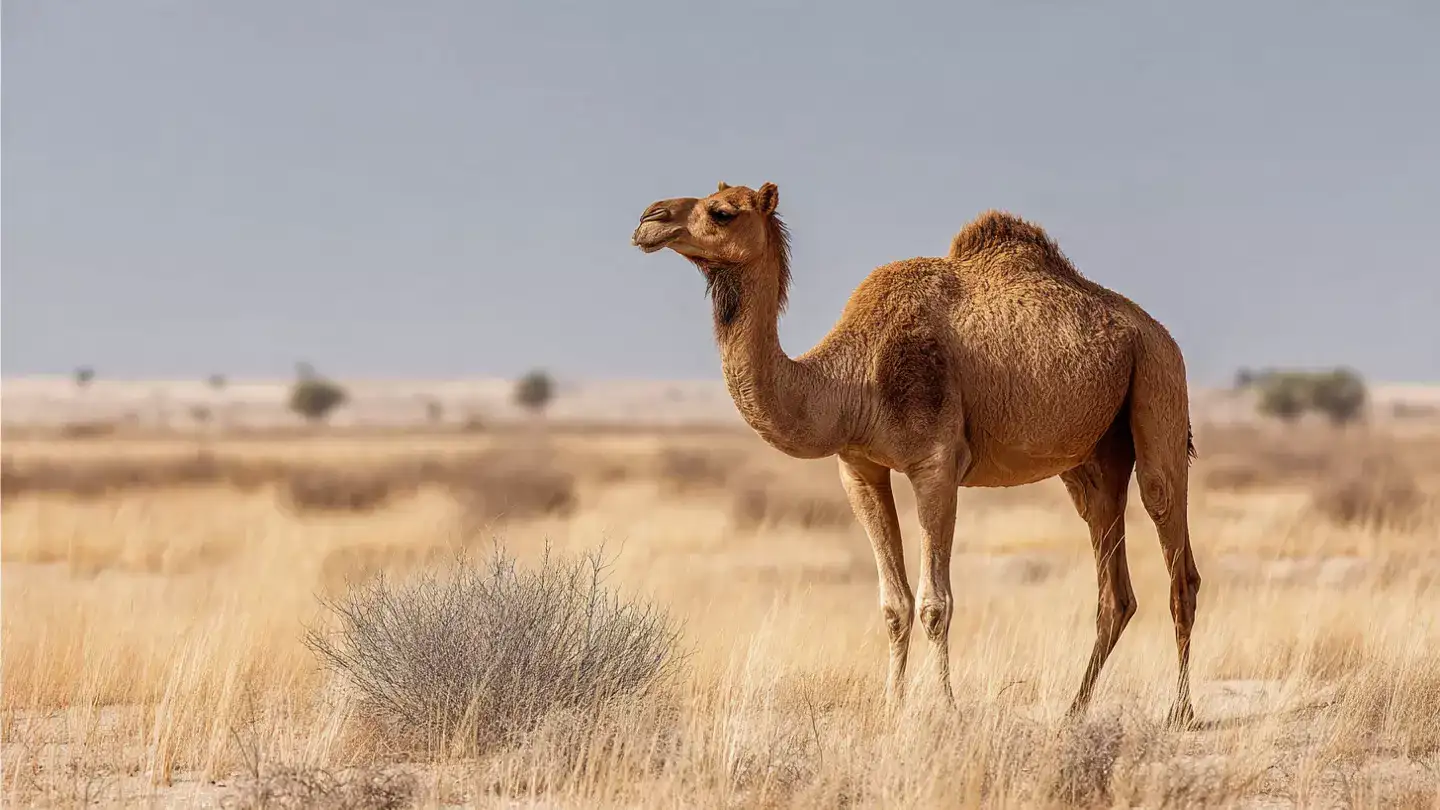
During the hottest part of the day, their body temperature rises, reducing the need for sweating and conserving water. At night, when temperatures drop, their body cools down. This natural adjustment helps them survive without excessive water loss.
They produce concentrated urine and dry faeces, which helps retain moisture. Additionally, camels sweat less compared to other animals, further reducing dehydration. These adaptations allow them to go for several days without drinking water.
This stored fat serves as an energy reserve, which can be broken down when food is scarce. The process also produces metabolic water, helping the camel stay hydrated internally. This unique system is crucial for survival in desert conditions.
Their bodies can safely handle rapid water intake without suffering from imbalance. This ability ensures they are well-prepared for the next stretch of dry conditions.
This adaptation also helps camels withstand sudden changes in hydration levels, especially when they drink large amounts of water at once.
Long eyelashes and closable nostrils protect them from sand and dust during desert storms. Their broad, padded feet help them walk easily on hot, loose sand without sinking.
They also tend to face the sun in a way that reduces the surface area exposed to heat, minimising heat absorption. These simple yet effective behaviours complement their biological adaptations.
This energy efficiency allows them to travel long distances across deserts without frequent feeding, making them ideal animals for transport in arid regions.
Camels are a perfect example of how animals adapt to extreme environments. Their ability to regulate body temperature, conserve water and utilise stored energy enables them to survive where most creatures cannot. These adaptations not only highlight the resilience of camels but also demonstrate the incredible ways in which nature equips living beings to thrive under challenging conditions.
Image Courtesy: Meta AI
Efficient Body Temperature Regulation
One of the most important ways camels survive desert heat is through their ability to regulate body temperature. Unlike most mammals, camels can allow their body temperature to fluctuate throughout the day.During the hottest part of the day, their body temperature rises, reducing the need for sweating and conserving water. At night, when temperatures drop, their body cools down. This natural adjustment helps them survive without excessive water loss.
Minimal Water Loss Mechanisms
Camels are highly efficient at conserving water. Their bodies are designed to minimise fluid loss even in extreme heat.They produce concentrated urine and dry faeces, which helps retain moisture. Additionally, camels sweat less compared to other animals, further reducing dehydration. These adaptations allow them to go for several days without drinking water.
The Truth About Their Humps
A common misconception is that camels store water in their humps. In reality, the humps store fat, not water.This stored fat serves as an energy reserve, which can be broken down when food is scarce. The process also produces metabolic water, helping the camel stay hydrated internally. This unique system is crucial for survival in desert conditions.
Ability To Drink Large Amounts Of Water
When camels do find water, they can drink large quantities in a short time. This helps them quickly rehydrate after long periods without access to water.Their bodies can safely handle rapid water intake without suffering from imbalance. This ability ensures they are well-prepared for the next stretch of dry conditions.
Specialised Blood Cells
Camels have uniquely shaped red blood cells that play a key role in their survival. These cells are oval rather than round, allowing them to flow easily even when the blood becomes thicker due to dehydration.This adaptation also helps camels withstand sudden changes in hydration levels, especially when they drink large amounts of water at once.
Protective Physical Features
Camels possess several physical traits that protect them from the harsh desert environment. Their thick coats reflect sunlight and insulate their bodies from heat.Long eyelashes and closable nostrils protect them from sand and dust during desert storms. Their broad, padded feet help them walk easily on hot, loose sand without sinking.
Behavioural Adaptations
In addition to physical traits, camels display behaviours that help them survive. They often rest during the hottest parts of the day and are more active during cooler hours.They also tend to face the sun in a way that reduces the surface area exposed to heat, minimising heat absorption. These simple yet effective behaviours complement their biological adaptations.
Efficient Fat And Energy Use
Camels are highly efficient in using their stored energy. The fat in their humps provides nourishment during periods when food is unavailable.This energy efficiency allows them to travel long distances across deserts without frequent feeding, making them ideal animals for transport in arid regions.
Camels are a perfect example of how animals adapt to extreme environments. Their ability to regulate body temperature, conserve water and utilise stored energy enables them to survive where most creatures cannot. These adaptations not only highlight the resilience of camels but also demonstrate the incredible ways in which nature equips living beings to thrive under challenging conditions.
Image Courtesy: Meta AI
Next Story