
Do Cats Feel Lonely? The Truth Behind Their Silent Emotions

Cats are often labeled as independent pets that enjoy solitude. While they do value their space, this doesn’t mean they are emotionless. In reality, cats form deep emotional bonds with their owners and can experience loneliness when left alone for long periods.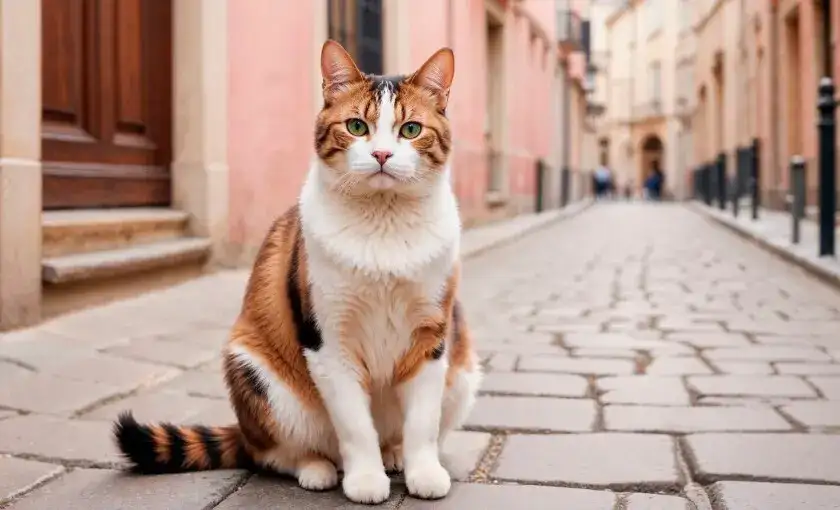
Cats Are More Emotional Than They Seem
At first glance, cats may appear detached. They don’t always demand attention like dogs. But beneath this calm exterior, cats are sensitive creatures.
When their owner is away, many cats feel the absence strongly. They may not cry or bark, but their behavior often changes in subtle ways. The silence of an empty home can make them uneasy, leading to emotional stress.
Routine Gives Cats a Sense of Security
Cats are creatures of habit. They quickly get used to daily patterns, meals at fixed times, morning greetings, and evening play sessions.
When this routine breaks, they can feel confused and unsettled. A long absence of their owner may leave them feeling lost or insecure. Over time, this emotional imbalance can affect their overall well-being.
Signs Your Cat May Be Feeling Lonely
Loneliness in cats doesn’t always look obvious. Instead, it shows through behavior changes such as:
Why Some Cats Feel Lonelier Than Others
Not all cats respond the same way to being alone. Personality, upbringing, and age all play a role.
Cats that are highly social or used to constant attention may struggle more when left alone. Kittens and older cats usually need more emotional support. On the other hand, some independent cats adapt better to solitude, though long-term isolation can still affect them.
Health also matters. Sick or recovering cats often feel more vulnerable and need extra comfort. Without it, their emotional stress can increase.
The Hidden Impact of Long Hours Alone
When cats are left alone regularly for extended hours, they may gradually withdraw. Some become less trusting, while others become emotionally distant.
Over time, this lack of interaction can impact both their behavior and health. Emotional stress may even slow recovery from illness or weaken immunity.
How to Keep Your Cat Happy While You’re Away
Even with a busy lifestyle, there are simple ways to keep your cat emotionally balanced.
Maintain a Consistent Routine
Feed and interact with your cat at the same times daily. Even a few minutes of attention before leaving can make them feel secure.
Keep Them Mentally Engaged
Leave toys around the house to prevent boredom. A window view where they can watch birds or people can also keep them entertained.
Add Gentle Background Stimulation
Soft music or calming cat videos can help reduce stress and create a comforting environment.
Spend Quality Time Daily
Even 10-15 minutes of focused play or cuddling after returning home can strengthen your bond and reassure your cat.
Should You Get Another Cat?
Sometimes, a second cat can help reduce loneliness. However, this is not a guaranteed solution. Some cats enjoy companionship, while others prefer being alone.
If you choose this option, introduce them slowly and carefully to ensure they get along.
When Loneliness Becomes a Concern
Occasional sadness is normal, but persistent changes in behavior should not be ignored. Watch out for:
Supporting Your Cat’s Emotional Health
If your cat shows ongoing signs of distress, a vet check is important. If physical health is fine, emotional care becomes the focus.
Calming sprays, soothing environments, and in some cases, guidance from a pet behavior expert can help restore balance.
Cats may appear independent, but they deeply feel the absence of their human companions. They remember routines, voices, and familiar presence more than we realize.
With small efforts, consistent care, attention, and a comforting environment—you can greatly reduce their loneliness. A happy cat is not just well-fed but also emotionally secure.
In the end, your cat doesn’t just live in your home, they live in your world.
Cats Are More Emotional Than They Seem
At first glance, cats may appear detached. They don’t always demand attention like dogs. But beneath this calm exterior, cats are sensitive creatures. When their owner is away, many cats feel the absence strongly. They may not cry or bark, but their behavior often changes in subtle ways. The silence of an empty home can make them uneasy, leading to emotional stress.
Routine Gives Cats a Sense of Security
Cats are creatures of habit. They quickly get used to daily patterns, meals at fixed times, morning greetings, and evening play sessions. When this routine breaks, they can feel confused and unsettled. A long absence of their owner may leave them feeling lost or insecure. Over time, this emotional imbalance can affect their overall well-being.
Signs Your Cat May Be Feeling Lonely
Loneliness in cats doesn’t always look obvious. Instead, it shows through behavior changes such as: - Sleeping more than usual
- Hiding in corners or isolated spaces
- Reduced appetite
- Less grooming or self-care
- Becoming unusually clingy when you return
Why Some Cats Feel Lonelier Than Others
Not all cats respond the same way to being alone. Personality, upbringing, and age all play a role. Cats that are highly social or used to constant attention may struggle more when left alone. Kittens and older cats usually need more emotional support. On the other hand, some independent cats adapt better to solitude, though long-term isolation can still affect them.
Health also matters. Sick or recovering cats often feel more vulnerable and need extra comfort. Without it, their emotional stress can increase.
The Hidden Impact of Long Hours Alone
When cats are left alone regularly for extended hours, they may gradually withdraw. Some become less trusting, while others become emotionally distant. Over time, this lack of interaction can impact both their behavior and health. Emotional stress may even slow recovery from illness or weaken immunity.
How to Keep Your Cat Happy While You’re Away
Even with a busy lifestyle, there are simple ways to keep your cat emotionally balanced. Maintain a Consistent Routine
Feed and interact with your cat at the same times daily. Even a few minutes of attention before leaving can make them feel secure. Keep Them Mentally Engaged
Leave toys around the house to prevent boredom. A window view where they can watch birds or people can also keep them entertained.You may also like
- Why kids stop talking to their parents: Parenting mistake that creates silence
- 'Parents don't buy books here': NRI women shares 4 facilities US government provides to public school students
- Alison Hammond's Next denim dress is so 'flattering' but it's already selling out
- Chanakya Niti: 5 Types Of Office Colleagues You Should Never Trust
- Why Japanese Live Longer: 5 Habits Backed by a Neurosurgeon
Add Gentle Background Stimulation
Soft music or calming cat videos can help reduce stress and create a comforting environment. Spend Quality Time Daily
Even 10-15 minutes of focused play or cuddling after returning home can strengthen your bond and reassure your cat. Should You Get Another Cat?
Sometimes, a second cat can help reduce loneliness. However, this is not a guaranteed solution. Some cats enjoy companionship, while others prefer being alone. If you choose this option, introduce them slowly and carefully to ensure they get along.
When Loneliness Becomes a Concern
Occasional sadness is normal, but persistent changes in behavior should not be ignored. Watch out for: - Refusing food for several days
- Constant hiding
- Sudden behavioral shifts
- Litter box issues
- Loss of grooming habits
Supporting Your Cat’s Emotional Health
If your cat shows ongoing signs of distress, a vet check is important. If physical health is fine, emotional care becomes the focus. Calming sprays, soothing environments, and in some cases, guidance from a pet behavior expert can help restore balance.
Cats may appear independent, but they deeply feel the absence of their human companions. They remember routines, voices, and familiar presence more than we realize.
With small efforts, consistent care, attention, and a comforting environment—you can greatly reduce their loneliness. A happy cat is not just well-fed but also emotionally secure.
In the end, your cat doesn’t just live in your home, they live in your world.






More from our partners


Loving Newspoint? Download the app now
