
How Indian Cooking Oils Influence Women’s Health And Everyday Nutrition Choices Across Age Groups

A Detailed Look At Indian Cooking Oils And Their Role In Supporting Women’s Health And Balanced Diets: Cooking oils are a fundamental part of Indian kitchens, shaping not only the flavour of meals but also their nutritional value. For women, dietary fats play a vital role in supporting hormonal balance, energy levels, skin health and heart function. However, the type and quantity of oil used can significantly influence overall wellbeing. With a wide variety of oils commonly used across Indian households, understanding their effects becomes essential for making healthier choices in everyday cooking.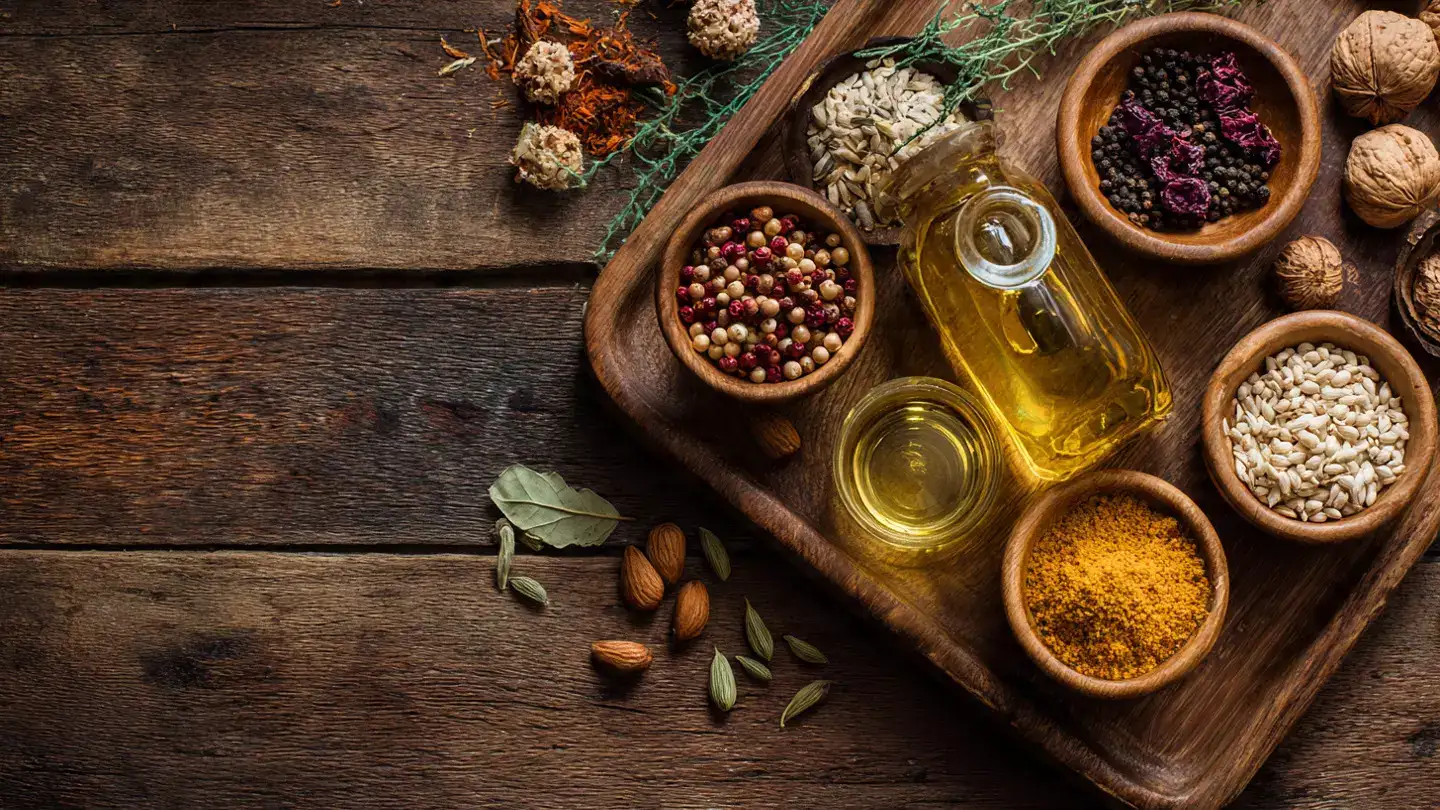
Adequate fat intake contributes to brain function, maintains skin health and provides sustained energy. However, the quality of fat matters more than the quantity. Choosing the right cooking oil can make a meaningful difference in maintaining overall health.
Mustard oil is known for its strong flavour and contains a good balance of monounsaturated and polyunsaturated fats. Groundnut oil is rich in vitamin E and offers a mild taste suitable for various dishes. Coconut oil, often used in southern regions, contains saturated fats that provide quick energy but should be consumed in moderation.
Sunflower oil is popular due to its light texture, but excessive reliance on it may lead to an imbalance of fatty acids. Sesame oil, on the other hand, contains antioxidants and is often valued for its potential heart benefits.
Using oils rich in unsaturated fats can help maintain healthy cholesterol levels. Rotating oils or combining different types can provide a better balance of nutrients. Limiting deep-fried foods and opting for healthier cooking methods such as sautéing or steaming can further reduce health risks.
For women dealing with conditions such as irregular cycles or hormonal fluctuations, maintaining a balanced intake of healthy fats is especially important. Including a mix of oils in moderation helps ensure that the body receives a variety of essential fatty acids.
Switching to oils with healthier fat profiles and using them sparingly can support weight management without compromising on nutrition. Measuring oil while cooking instead of pouring freely is a simple yet effective habit.
Blending or rotating oils is often recommended to achieve a balanced intake of different fatty acids. For example, combining mustard oil with a neutral oil can provide both flavour and nutritional diversity.
It is also important to choose minimally processed oils and avoid those with added chemicals or excessive refinement. Reading labels and understanding the composition can help in making informed decisions.
Overconsumption of oil, even if it is considered healthy, can negate its benefits. Moderation remains the key to maintaining a balanced diet.
Including whole foods, fresh vegetables and balanced meals alongside mindful oil usage creates a holistic approach to nutrition. For women, this balance supports long term health, energy levels and overall wellbeing.
Understanding the impact of Indian cooking oils allows for more informed choices in daily life. By focusing on quality, moderation and variety, women can use cooking oils to support their health rather than compromise it, making everyday meals both nourishing and enjoyable.
Image Courtesy: Meta AI
Why Fats Are Important For Women’s Health
Fats are often misunderstood, yet they are essential for the body. Healthy fats help in the absorption of fat-soluble vitamins such as A, D, E and K. They also support hormone production, which is particularly important for women at different life stages, including adolescence, pregnancy and menopause.Adequate fat intake contributes to brain function, maintains skin health and provides sustained energy. However, the quality of fat matters more than the quantity. Choosing the right cooking oil can make a meaningful difference in maintaining overall health.
Common Cooking Oils Used In Indian Kitchens
Indian households use a diverse range of cooking oils, each with distinct nutritional properties. Mustard oil, groundnut oil, coconut oil, sunflower oil and sesame oil are among the most widely used.Mustard oil is known for its strong flavour and contains a good balance of monounsaturated and polyunsaturated fats. Groundnut oil is rich in vitamin E and offers a mild taste suitable for various dishes. Coconut oil, often used in southern regions, contains saturated fats that provide quick energy but should be consumed in moderation.
Sunflower oil is popular due to its light texture, but excessive reliance on it may lead to an imbalance of fatty acids. Sesame oil, on the other hand, contains antioxidants and is often valued for its potential heart benefits.
Impact On Heart Health
Heart health is a growing concern among women, especially with changing lifestyles and dietary habits. Oils high in unhealthy fats can increase bad cholesterol levels, raising the risk of cardiovascular issues.Using oils rich in unsaturated fats can help maintain healthy cholesterol levels. Rotating oils or combining different types can provide a better balance of nutrients. Limiting deep-fried foods and opting for healthier cooking methods such as sautéing or steaming can further reduce health risks.
Influence On Hormonal Balance
Hormonal health is closely linked to dietary fat intake. Healthy fats support the production of essential hormones, including those involved in reproductive health. An imbalance in fat consumption, particularly excessive intake of trans fats or highly processed oils, can disrupt hormonal function.For women dealing with conditions such as irregular cycles or hormonal fluctuations, maintaining a balanced intake of healthy fats is especially important. Including a mix of oils in moderation helps ensure that the body receives a variety of essential fatty acids.
Role In Weight Management
Cooking oils are calorie-dense, and excessive use can contribute to weight gain. For women aiming to manage weight, portion control becomes crucial.Switching to oils with healthier fat profiles and using them sparingly can support weight management without compromising on nutrition. Measuring oil while cooking instead of pouring freely is a simple yet effective habit.
Choosing The Right Cooking Oil
Selecting the right oil depends on cooking methods, regional preferences and individual health needs. Oils with a high smoke point are suitable for frying, while those with lower smoke points work well for light cooking or dressings.Blending or rotating oils is often recommended to achieve a balanced intake of different fatty acids. For example, combining mustard oil with a neutral oil can provide both flavour and nutritional diversity.
You may also like
- How to differentiate between a snake hole and a rodent hole in your garden
- The Hidden 10-Day Routine Dermatologists Don't Share
- Unite in fandom: Pune Comic Con unites comic enthusiasts and creators for an unforgettable weekend; Artists share nostalgia with eager fans
- Postman takes washed clothes out of the rain; CCTV footage captures the 'one in a million' moment
- Why Your Skincare Routine Isn't Working
It is also important to choose minimally processed oils and avoid those with added chemicals or excessive refinement. Reading labels and understanding the composition can help in making informed decisions.
Common Mistakes To Avoid
One common mistake is relying on a single type of oil for all cooking needs. This can lead to nutritional imbalances over time. Another issue is reusing oil multiple times, especially after deep frying, which can produce harmful compounds.Overconsumption of oil, even if it is considered healthy, can negate its benefits. Moderation remains the key to maintaining a balanced diet.
Building Healthier Cooking Habits
Improving cooking habits does not require drastic changes. Small adjustments, such as reducing oil quantity, experimenting with different oils and incorporating healthier cooking techniques, can have a lasting impact.Including whole foods, fresh vegetables and balanced meals alongside mindful oil usage creates a holistic approach to nutrition. For women, this balance supports long term health, energy levels and overall wellbeing.
Understanding the impact of Indian cooking oils allows for more informed choices in daily life. By focusing on quality, moderation and variety, women can use cooking oils to support their health rather than compromise it, making everyday meals both nourishing and enjoyable.
Image Courtesy: Meta AI






More from our partners


Loving Newspoint? Download the app now
