
How Indian Families Can Support The Nutritional Needs Of Senior Citizens With Smart Food Choices

Why Meeting The Nutritional Needs Of Senior Citizens In India Is Essential For Long Term Health: As India’s population ages, the focus on the health and wellbeing of senior citizens is becoming increasingly important. In many Indian households, elderly family members are cared for at home, making nutrition a key factor in maintaining their quality of life. With age, the body undergoes several changes that affect metabolism, digestion, and nutrient absorption. This makes it essential to understand the specific nutritional needs of senior citizens and ensure their diets are both balanced and appropriate.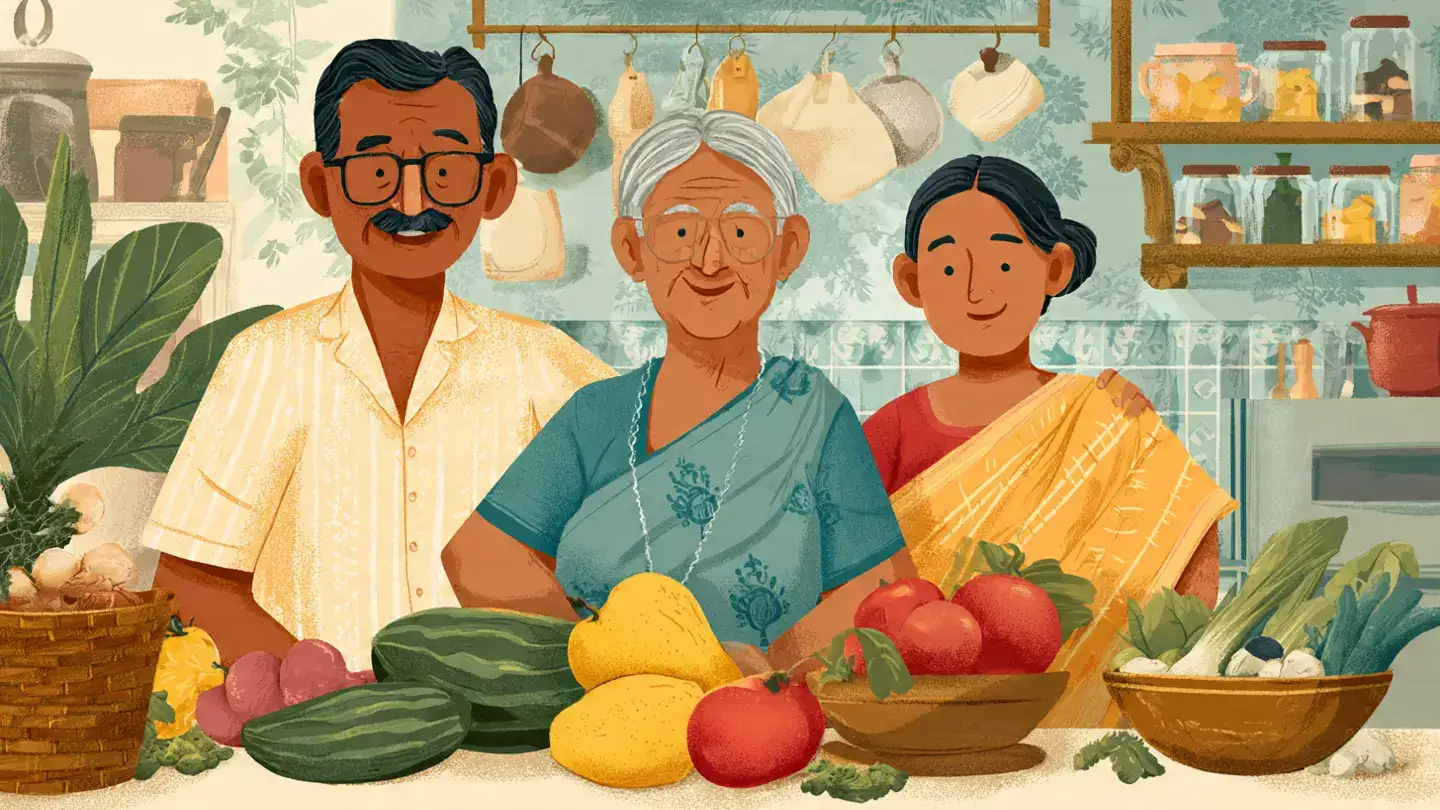
A well-planned diet not only helps prevent chronic illnesses but also supports energy levels, immunity, and mental health. In traditional Indian families, food is often prepared with care, yet there is a need to adapt meals to meet the evolving dietary requirements of ageing individuals.
Digestion also tends to slow down with age. Many senior citizens may experience issues like constipation, reduced appetite, or difficulty chewing. These factors can lead to inadequate nutrient intake if not addressed carefully. Therefore, understanding elderly nutrition in India involves recognising these physiological changes and adjusting diets accordingly.
Fibre is another essential component, especially for digestive health. Whole grains, fruits, and vegetables are excellent sources that can help prevent common issues like constipation. Iron, vitamin B12, and antioxidants are equally important for maintaining energy levels and supporting cognitive function.
Hydration is often overlooked but is critical for senior citizens. Many elderly individuals do not feel thirsty as frequently, which can lead to dehydration. Encouraging regular intake of water, soups, and fresh juices can help maintain fluid balance.
Portion control is equally important. Instead of three large meals, smaller and more frequent meals can help improve digestion and nutrient absorption. This approach aligns well with the concept of a senior citizen diet plan in India, which focuses on balance and moderation.
Family members also play a vital role in ensuring that elderly individuals receive proper nutrition. Simple steps such as monitoring meal timings, encouraging variety in food, and making meals visually appealing can significantly improve appetite and overall intake.
Incorporating healthy fats from sources like nuts and seeds can benefit heart health. At the same time, avoiding processed foods and focusing on fresh, home-cooked meals can make a substantial difference. Ageing and nutrition are closely linked, and mindful eating habits can prevent complications and enhance overall wellbeing.
Loneliness or loss of appetite can sometimes lead to poor eating habits. Encouraging shared meals, introducing favourite dishes in a healthier way, and involving elderly family members in meal planning can create a sense of belonging and improve their relationship with food.
Indian households have the advantage of rich culinary traditions and strong family support systems. By blending traditional wisdom with modern nutritional understanding, families can ensure that their elderly members lead healthier, more comfortable lives.
Image Courtesy: Meta AI
A well-planned diet not only helps prevent chronic illnesses but also supports energy levels, immunity, and mental health. In traditional Indian families, food is often prepared with care, yet there is a need to adapt meals to meet the evolving dietary requirements of ageing individuals.
How Ageing Impacts Nutritional Requirements
As people grow older, their calorie requirements generally decrease due to reduced physical activity. However, the need for essential nutrients such as proteins, vitamins, and minerals remains the same or even increases. This creates a challenge where meals must be nutrient-dense without being excessive in calories.Digestion also tends to slow down with age. Many senior citizens may experience issues like constipation, reduced appetite, or difficulty chewing. These factors can lead to inadequate nutrient intake if not addressed carefully. Therefore, understanding elderly nutrition in India involves recognising these physiological changes and adjusting diets accordingly.
Key Nutrients Every Senior Citizen Needs
Protein plays a crucial role in maintaining muscle mass and preventing weakness. Including sources such as lentils, dairy, eggs, and lean meats in daily meals can help meet protein requirements. A healthy diet for elderly individuals should also include sufficient calcium and vitamin D to support bone health and reduce the risk of fractures.Fibre is another essential component, especially for digestive health. Whole grains, fruits, and vegetables are excellent sources that can help prevent common issues like constipation. Iron, vitamin B12, and antioxidants are equally important for maintaining energy levels and supporting cognitive function.
Hydration is often overlooked but is critical for senior citizens. Many elderly individuals do not feel thirsty as frequently, which can lead to dehydration. Encouraging regular intake of water, soups, and fresh juices can help maintain fluid balance.
Adapting Traditional Indian Diets For Seniors
Indian cuisine offers a wide variety of nutritious options, but it may need slight modifications for older adults. Reducing excessive oil, salt, and spices can make meals easier to digest. Soft-cooked foods such as khichdi, dal, vegetable stews, and curd-based dishes are particularly suitable.Portion control is equally important. Instead of three large meals, smaller and more frequent meals can help improve digestion and nutrient absorption. This approach aligns well with the concept of a senior citizen diet plan in India, which focuses on balance and moderation.
Family members also play a vital role in ensuring that elderly individuals receive proper nutrition. Simple steps such as monitoring meal timings, encouraging variety in food, and making meals visually appealing can significantly improve appetite and overall intake.
Managing Common Health Conditions Through Diet
Many senior citizens in India live with chronic conditions such as diabetes, hypertension, or heart disease. Diet becomes a powerful tool in managing these conditions. For instance, reducing sugar and refined carbohydrates can help control blood glucose levels, while limiting salt intake supports blood pressure management.Incorporating healthy fats from sources like nuts and seeds can benefit heart health. At the same time, avoiding processed foods and focusing on fresh, home-cooked meals can make a substantial difference. Ageing and nutrition are closely linked, and mindful eating habits can prevent complications and enhance overall wellbeing.
Emotional And Social Aspects Of Eating
Nutrition is not just about physical health; it also has emotional and social dimensions. In Indian households, meals are often a time for family bonding. Ensuring that senior citizens are included in these moments can positively impact their mental health.Loneliness or loss of appetite can sometimes lead to poor eating habits. Encouraging shared meals, introducing favourite dishes in a healthier way, and involving elderly family members in meal planning can create a sense of belonging and improve their relationship with food.
Building A Sustainable Approach To Elderly Nutrition
Meeting the nutritional needs of senior citizens requires a thoughtful and consistent approach. It is not about drastic changes but about making small, sustainable improvements in daily eating habits. A balanced diet, combined with regular physical activity and routine health check-ups, can go a long way in supporting healthy ageing.Indian households have the advantage of rich culinary traditions and strong family support systems. By blending traditional wisdom with modern nutritional understanding, families can ensure that their elderly members lead healthier, more comfortable lives.
Image Courtesy: Meta AI
Next Story