
How Indian Millets Can Boost Nutrition And Wellness In Senior Citizens

Indian millets have been part of traditional diets for centuries, yet their immense health potential is only now gaining mainstream recognition. For elderly individuals, these grains provide a powerhouse of nutrients that address common age-related concerns. From managing blood sugar levels to supporting heart and bone health, millets offer a natural, wholesome way to improve overall wellness. They are gluten-free, rich in dietary fibre, and packed with minerals like calcium, magnesium, and iron, making them an ideal food choice for seniors aiming to maintain vitality and quality of life.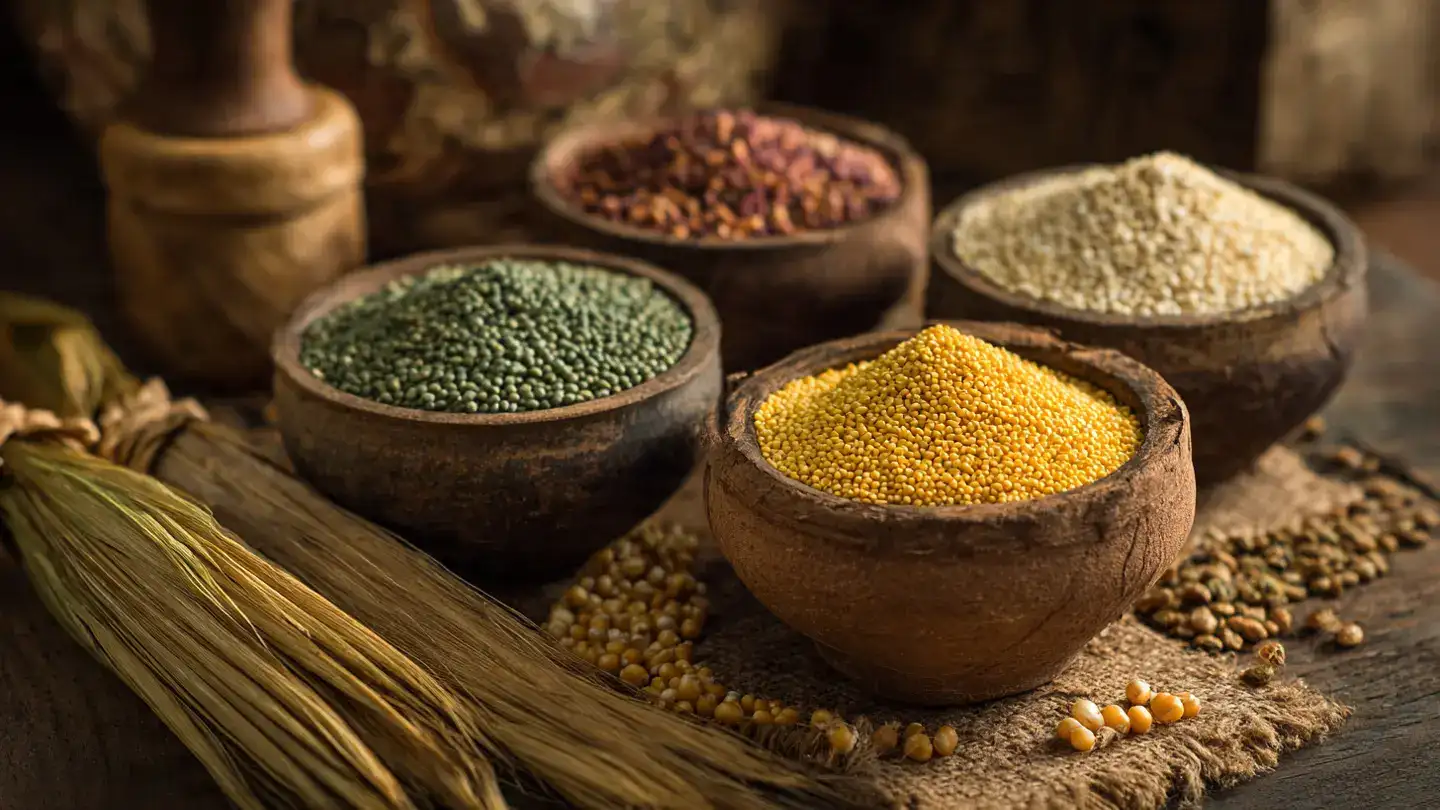
Indian millets are more than just traditional grains—they are a natural solution for elderly nutrition . With their rich nutrient profile, they support heart health, bone strength, digestive wellness, and blood sugar management. Making millets a regular part of a senior’s diet can promote longevity, vitality, and a better quality of life, all while embracing the wisdom of traditional Indian nutrition.
Image Courtesy: Meta AI
Nutritional Profile Of Indian Millets
Millets are small-seeded cereals that come in various types, including pearl millet, finger millet, foxtail millet, and barnyard millet. Each variety boasts a unique combination of nutrients beneficial to elderly health. They are excellent sources of complex carbohydrates, providing sustained energy without spiking blood sugar levels. Additionally, their high fibre content aids digestion, preventing constipation—a common concern in older adults. Rich in antioxidants, millets also combat oxidative stress, which contributes to ageing and chronic diseases.Benefits For Heart Health
Heart health becomes a priority as we age, and millets can play a crucial role. Their magnesium and potassium content help regulate blood pressure, while dietary fibre reduces cholesterol levels. Regular consumption of millets has been associated with improved cardiovascular health, supporting healthy arteries and reducing the risk of heart disease. For seniors, integrating millets into meals can be a simple yet effective way to maintain a strong and healthy heart.You may also like
- Bank Account Rules Explained: Can Your Bank Deduct Money Without Permission? Know Your Rights
- Bihar Health Schemes 2026: Get Up to ₹5 Lakh Free Treatment—Check Eligibility and How to Apply
- The Essential Role of Salt in Our Lives and Its Astrological Significance
- Effective Home Remedies to Relieve Stomach Gas
- The Fascinating History of Patiala Peg: A Punjabi Tradition
Supporting Bone Strength And Joint Health
Elderly individuals often face bone density loss and joint stiffness. Finger millet, known locally as ragi, is particularly high in calcium and phosphorus, essential for maintaining strong bones and preventing osteoporosis. Combined with adequate physical activity, millets can support bone health, ensuring seniors remain active and mobile for longer. The presence of essential amino acids also aids muscle maintenance, contributing to overall mobility and strength.Managing Blood Sugar And Weight
Millets have a low glycemic index, meaning they release glucose slowly into the bloodstream. This property is beneficial for elderly individuals, especially those managing diabetes or insulin resistance. Regular millet consumption can stabilise blood sugar levels, prevent sudden spikes, and support weight management. Replacing refined grains with millets in daily meals is an effective strategy for seniors seeking balanced energy levels and better metabolic health.Easy Ways To Incorporate Millets Into Daily Diets
Incorporating millets into a senior-friendly diet can be both simple and versatile. They can be used to prepare porridges, upma, chapattis, khichdi, or even baked snacks. Millets can also be combined with vegetables, legumes, and dairy to create nutrient-dense meals. Cooking in small portions and experimenting with flavours can help seniors enjoy these grains regularly without compromising taste.Indian millets are more than just traditional grains—they are a natural solution for elderly nutrition . With their rich nutrient profile, they support heart health, bone strength, digestive wellness, and blood sugar management. Making millets a regular part of a senior’s diet can promote longevity, vitality, and a better quality of life, all while embracing the wisdom of traditional Indian nutrition.
Image Courtesy: Meta AI






More from our partners


Loving Newspoint? Download the app now
