
How Meditation Rewires Your Brain in 7 Powerful Ways

Meditation is often described as a simple practice that helps you relax or reset your mind. But science suggests it does much more than that. Researchers are increasingly studying how meditation can influence the brain’s structure and function over time.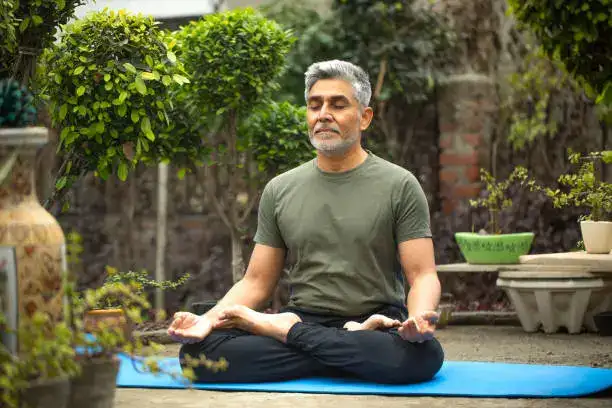
Although many findings are still developing, there is growing evidence that meditation works like a form of mental training. It helps improve focus, emotional balance, and awareness, while also making the brain more adaptable. With regular practice, even small changes can add up to noticeable shifts in how you think and respond to life.
Here are seven ways meditation may gradually reshape the brain.
Meditation trains you to notice when your mind starts wandering and gently bring it back to the present moment. Research suggests that this practice may influence brain networks linked to self-referential thinking. Over time, you may find it easier to stay focused and less caught up in overthinking.
Studies indicate that regions of the brain associated with attention and control become more active and better connected with regular practice. This can lead to improved productivity, better listening skills, and a greater ability to stay engaged in everyday tasks.
Meditation may help reduce the intensity of these stress responses. Research shows that it can influence how the brain processes pressure, making you less reactive over time. This means you may respond more calmly in difficult situations rather than feeling overwhelmed.
Scientific findings support this idea, suggesting that meditation helps the brain regulate emotional responses more effectively. It does not eliminate negative feelings, but it allows you to experience them without being consumed by them.
Research points to changes in brain areas linked to body awareness and self-reflection. Over time, this can help you better understand your reactions, identify stress signals early, and make more mindful choices in your daily life.
While more research is needed to confirm these effects, early evidence suggests that meditation may support clearer thinking and better information retention. It may also help the brain process experiences in a more balanced way.
This increased coordination can make the brain more flexible, helping you adapt to new situations, switch between tasks, and handle change with greater ease. Over time, this adaptability can contribute to better mental resilience.
Meditation is not about instant transformation. It is a gradual process that works quietly in the background. With consistent practice, the brain begins to shift in ways that support clarity, calmness, and emotional strength.
Even a few minutes each day can make a difference. As research continues to evolve, one message remains clear. Meditation is not just about feeling relaxed in the moment. It is about training your mind to function with greater balance, awareness, and resilience in everyday life.
Although many findings are still developing, there is growing evidence that meditation works like a form of mental training. It helps improve focus, emotional balance, and awareness, while also making the brain more adaptable. With regular practice, even small changes can add up to noticeable shifts in how you think and respond to life.
Here are seven ways meditation may gradually reshape the brain.
1. Helps Reduce Mind Wandering
The human mind naturally drifts into thoughts about the past or worries about the future. This constant mental chatter can lead to stress and distraction.Meditation trains you to notice when your mind starts wandering and gently bring it back to the present moment. Research suggests that this practice may influence brain networks linked to self-referential thinking. Over time, you may find it easier to stay focused and less caught up in overthinking.
2. Improves Focus and Attention
Meditation strengthens the brain’s ability to concentrate. It encourages you to focus on a single point, such as your breath, and return to it whenever distractions arise.Studies indicate that regions of the brain associated with attention and control become more active and better connected with regular practice. This can lead to improved productivity, better listening skills, and a greater ability to stay engaged in everyday tasks.
3. Calms the Brain’s Stress Response
Stress is not just a feeling. It is controlled by specific circuits in the brain that trigger physical and emotional reactions.Meditation may help reduce the intensity of these stress responses. Research shows that it can influence how the brain processes pressure, making you less reactive over time. This means you may respond more calmly in difficult situations rather than feeling overwhelmed.
4. Supports Better Emotional Balance
One of the most noticeable benefits of meditation is improved emotional stability. People who meditate regularly often report feeling less reactive and more in control of their emotions.Scientific findings support this idea, suggesting that meditation helps the brain regulate emotional responses more effectively. It does not eliminate negative feelings, but it allows you to experience them without being consumed by them.
5. Builds Stronger Self-Awareness
Meditation encourages you to observe your inner world more closely. This includes your thoughts, emotions, and physical sensations.Research points to changes in brain areas linked to body awareness and self-reflection. Over time, this can help you better understand your reactions, identify stress signals early, and make more mindful choices in your daily life.
6. May Support Memory and Learning
Some studies have found that long-term meditation is linked to changes in brain regions involved in memory and emotional processing.While more research is needed to confirm these effects, early evidence suggests that meditation may support clearer thinking and better information retention. It may also help the brain process experiences in a more balanced way.
7. Makes the Brain More Flexible and Adaptable
Meditation does not just affect one part of the brain. It appears to improve how different brain networks communicate with each other.This increased coordination can make the brain more flexible, helping you adapt to new situations, switch between tasks, and handle change with greater ease. Over time, this adaptability can contribute to better mental resilience.
Meditation is not about instant transformation. It is a gradual process that works quietly in the background. With consistent practice, the brain begins to shift in ways that support clarity, calmness, and emotional strength.
Even a few minutes each day can make a difference. As research continues to evolve, one message remains clear. Meditation is not just about feeling relaxed in the moment. It is about training your mind to function with greater balance, awareness, and resilience in everyday life.
Next Story