
How Much Protein Do You Need Daily? Age-Wise Protein Requirements Explained

How much protein do you need daily? It’s a question more people are asking as high-protein diets dominate supermarket shelves and fitness conversations. While protein has become a nutrition trend, your actual requirement depends on your age, activity level, and overall health. From infancy to old age, protein needs shift significantly - and understanding them can help you stay strong, energised and healthy.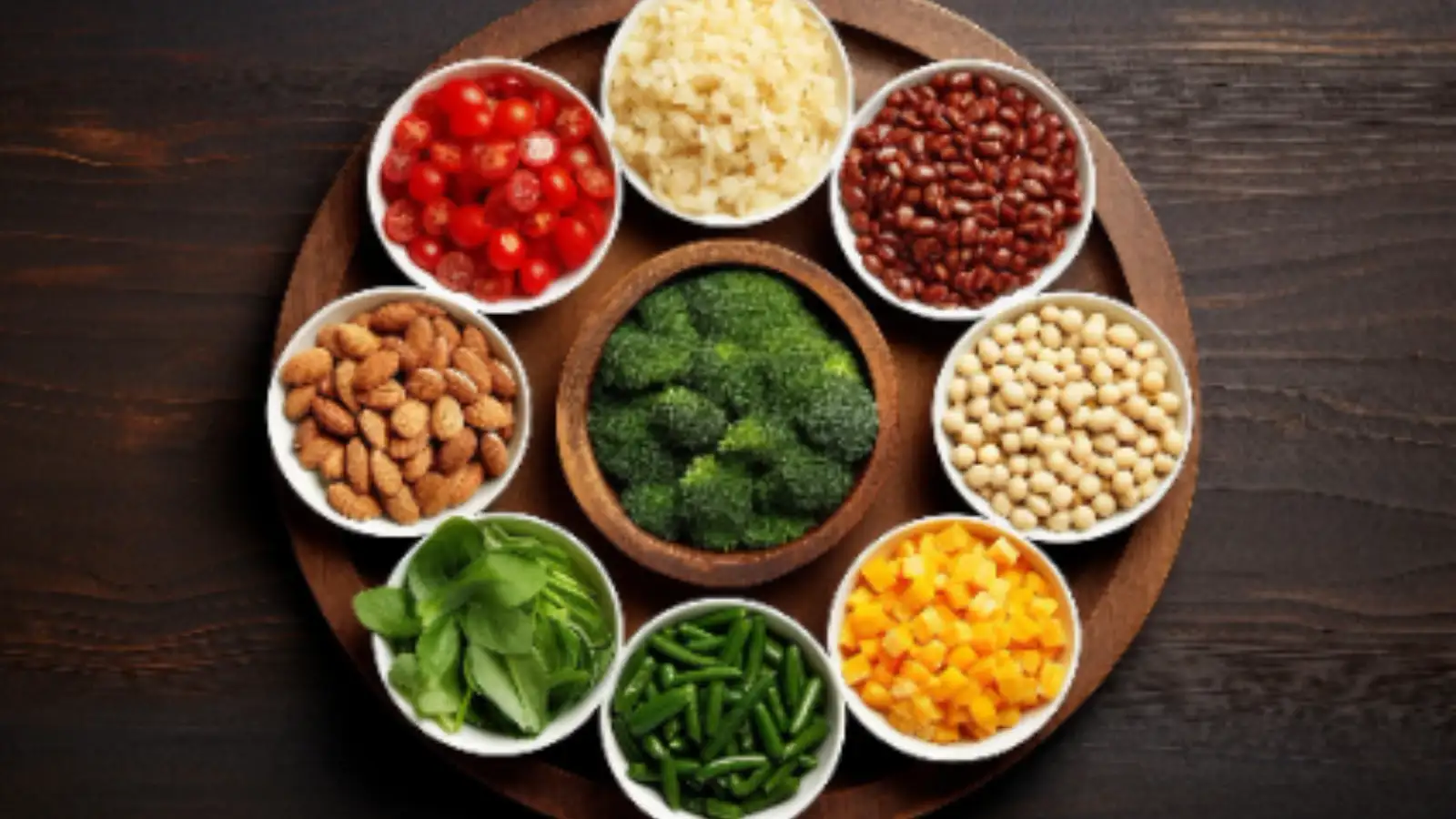
Protein is far more than a muscle-building nutrient. It forms hormones, enzymes, antibodies and tissues, while also supporting skin, hair, nails and metabolic health. In simple terms, it is your body’s repair and maintenance system.
Why Protein Is Essential at Every Stage of Life
Protein plays a central role in:
Experts emphasise that protein requirements are not one-size-fits-all. They vary depending on growth phases, hormonal changes, pregnancy, ageing and physical activity. The key is balance — not excess.
Protein Requirements in Infants: Rapid Growth Phase
The early months of life are marked by rapid development. Babies require the highest protein intake relative to their body weight.
Breast milk or infant formula typically provides adequate protein during this stage. Protein supports organ development, brain growth, immune strength and tissue formation.
Toddlers and Young Children: Steady Growth Support
As children grow, their protein needs remain important for muscle and brain development.
During these years, protein supports:
Ensuring a balanced diet during this phase lays the groundwork for long-term health.
Teens and Young Adults: Hormones and Muscle Development
Adolescence triggers hormonal shifts and growth spurts, increasing protein demands.
Protein becomes especially crucial for:
Active teenagers may require slightly higher intake to support sports and physical training.
Adult Protein Intake: Maintenance vs Performance
For most adults, protein supports maintenance and repair.
However, lifestyle plays a major role:
Protein Needs During Pregnancy and Breastfeeding
Women require additional protein during pregnancy and lactation to support both mother and baby.
Protein during this period supports fetal growth, tissue expansion and milk production.
Protein Requirements After 50: Preventing Muscle Loss
Ageing naturally leads to gradual muscle loss, known as sarcopenia. To counter this:
Higher intake can help:
However, individuals with kidney conditions should consult a healthcare professional before increasing protein intake.
Best Protein Sources: Quality Matters More Than Quantity
Getting the right type of protein is as important as meeting your daily target.
Complete Animal-Based Proteins
Nutritious Plant-Based Proteins
Smart Food Combinations for Better Absorption
Combining protein with fibre-rich carbohydrates ensures steady energy and better nutrient absorption.
Eat Protein According to Your Life Stage
The answer to how much protein do you really need isn’t found in trends or social media advice. It lies in your age, activity level and health goals. Spread protein intake evenly throughout the day, focus on whole food sources, and adjust as your body’s needs change. When consumed in the right amounts, protein becomes the foundation of strength, recovery and lifelong resilience.
Protein is far more than a muscle-building nutrient. It forms hormones, enzymes, antibodies and tissues, while also supporting skin, hair, nails and metabolic health. In simple terms, it is your body’s repair and maintenance system.
Why Protein Is Essential at Every Stage of Life
Protein plays a central role in:
- Building and repairing muscles and tissues
- Supporting immune function
- Producing hormones and enzymes
- Maintaining healthy skin, hair and nails
- Regulating metabolism and energy levels
Experts emphasise that protein requirements are not one-size-fits-all. They vary depending on growth phases, hormonal changes, pregnancy, ageing and physical activity. The key is balance — not excess.
Protein Requirements in Infants: Rapid Growth Phase
The early months of life are marked by rapid development. Babies require the highest protein intake relative to their body weight.
- 0–6 months: Around 1.5 grams per kilogram (g/kg) of body weight
- 6–12 months: Approximately 1.2 g/kg
Breast milk or infant formula typically provides adequate protein during this stage. Protein supports organ development, brain growth, immune strength and tissue formation.
Toddlers and Young Children: Steady Growth Support
As children grow, their protein needs remain important for muscle and brain development.
- Young children: Around 0.95–1.05 g/kg
During these years, protein supports:
- Muscle growth
- Enzyme production
- Hormonal development
- Immune resilience
Ensuring a balanced diet during this phase lays the groundwork for long-term health.
Teens and Young Adults: Hormones and Muscle Development
Adolescence triggers hormonal shifts and growth spurts, increasing protein demands.
- Teen boys: Around 0.9–1.0 g/kg
- Teen girls: Around 0.8–0.9 g/kg
Protein becomes especially crucial for:
- Bone density development
- Lean muscle growth
- Athletic performance and recovery
Active teenagers may require slightly higher intake to support sports and physical training.
Adult Protein Intake: Maintenance vs Performance
For most adults, protein supports maintenance and repair.
- Average adult requirement: 0.8–1 g/kg
However, lifestyle plays a major role:
You may also like
- Zimbabwe vs West Indies Playing 11, T20 World Cup 2026: ZIM vs WI today match prediction
 Whatever happened in JNU is entirely the responsibility of VC: Brinda Karat
- Noida-Delhi DND Flyway to be shut for repairs for almost a month: Dates, timings and diversions
- 'Ranam Aram Thavarael' director Sharief pens note of gratitude as film completes two years
- MHA releases India's first national counter-terrorism policy 'PRAHAAR'
- Regular gym-goers: 1.2–1.6 g/kg
- Athletes or heavy trainers: Up to 2 g/kg
- Higher protein intake supports muscle recovery, sustained energy and metabolic health. Without sufficient protein, fatigue may increase and muscle repair slows down.
Protein Needs During Pregnancy and Breastfeeding
Women require additional protein during pregnancy and lactation to support both mother and baby.
- Pregnancy: Additional 15–23 grams per day
- Breastfeeding: Around 19 extra grams per day
Protein during this period supports fetal growth, tissue expansion and milk production.
Protein Requirements After 50: Preventing Muscle Loss
Ageing naturally leads to gradual muscle loss, known as sarcopenia. To counter this:
- Adults over 50: Around 1–1.2 g/kg, sometimes more depending on health status
Higher intake can help:
- Preserve muscle mass
- Support immune strength
- Improve recovery after illness
However, individuals with kidney conditions should consult a healthcare professional before increasing protein intake.
Best Protein Sources: Quality Matters More Than Quantity
Getting the right type of protein is as important as meeting your daily target.
Complete Animal-Based Proteins
- Eggs
- Fish
- Chicken
- Milk and dairy products
Nutritious Plant-Based Proteins
- Lentils and chickpeas
- Soy products
- Nuts and seeds
- Millets and quinoa
Smart Food Combinations for Better Absorption
- Rice with dal
- Curd with poha
- Bajra roti with moong dal
- Hummus with whole-grain bread
Combining protein with fibre-rich carbohydrates ensures steady energy and better nutrient absorption.
Eat Protein According to Your Life Stage
The answer to how much protein do you really need isn’t found in trends or social media advice. It lies in your age, activity level and health goals. Spread protein intake evenly throughout the day, focus on whole food sources, and adjust as your body’s needs change. When consumed in the right amounts, protein becomes the foundation of strength, recovery and lifelong resilience.






More from our partners


Loving Newspoint? Download the app now
