
How Often Should You Bathe Your Cat? Everything You Need to Know Before Reaching for the Shampoo

From Kittens to Senior Cats; How Often You Should Bathe Your Cat and the Right Way to Do It: Cats have a well-earned reputation for being fastidious self-groomers. Watch any cat for long enough and you will find them diligently licking their coat, cleaning their paws, and tending to their fur with impressive dedication. This leads many owners to wonder whether bathing a cat is necessary at all — and if so, how often. The answer, as with many aspects of cat care, depends on several factors. Breed, coat type, lifestyle, and health all play a role in determining the right cat bathing frequency for your individual pet.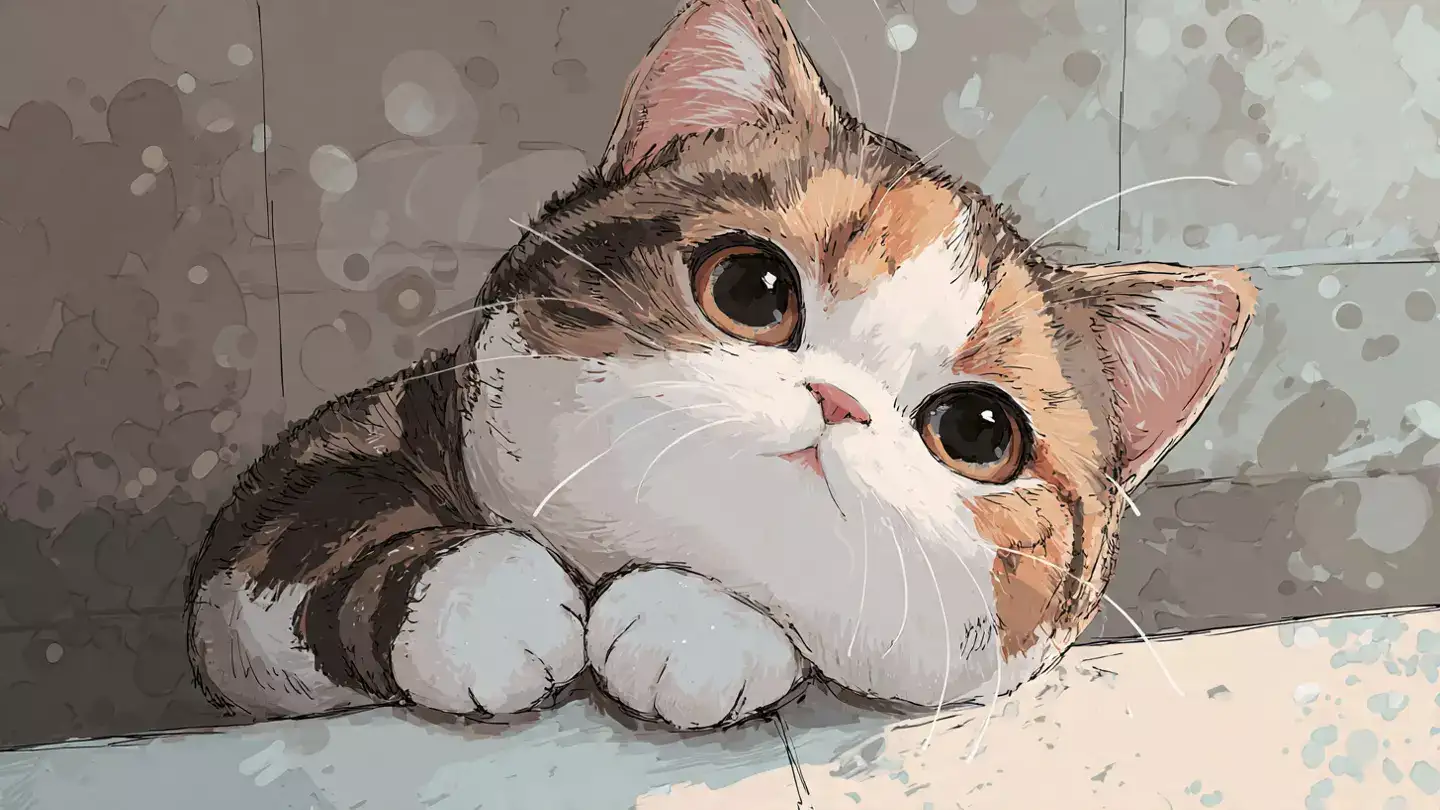
That said, there are circumstances where bathing becomes genuinely necessary. A cat that has rolled in something toxic, sticky, or particularly foul-smelling will need a bath regardless of their personal objections. Similarly, cats with certain skin conditions, those who are overweight or arthritic and unable to groom properly, and senior cats with reduced mobility may all benefit from occasional bathing.
For the average indoor cat with no specific health concerns, bathing is rarely required more than once every four to six weeks — and for many cats, a few times a year is perfectly sufficient.
Short-haired cats, by contrast, generally require far less assistance. Their coats are easier to maintain independently, and bathing every few months, or only when visibly dirty, is usually more than adequate.
Hairless breeds such as the Sphynx sit at the other end of the spectrum in a different way. Without fur to absorb the natural oils produced by their skin, these cats can become greasy and require bathing more frequently — often every one to two weeks — to prevent skin irritation and build-up.
Flea infestations may also warrant a bath as part of a broader treatment plan, though it is important to use a product specifically formulated for cats and to follow your vet's advice carefully.
Cats recovering from surgery or illness, or those living outdoors who have access to mud, ponds, or dense vegetation, may also need bathing more regularly than their indoor counterparts.
Start by brushing your cat thoroughly before the bath to remove any knots or loose fur. Use lukewarm water — never hot — and a gentle, vet-approved cat shampoo . Human shampoos and many dog products are unsuitable for cats and can disrupt the skin's natural pH balance.
Keep the session short and focused. Wet the coat gradually, lather gently, and rinse thoroughly to ensure no shampoo residue remains, as this can cause skin irritation. Have a warm, dry towel ready immediately afterwards, and if your cat tolerates it, a low-heat hairdryer on the coolest setting can help to dry a longhaired coat more efficiently.
Throughout the process, speak in a calm, reassuring tone and avoid restraining your cat too firmly. Positive reinforcement — treats and praise before and after — helps to build a more tolerant association with bath time over repeated sessions.
Changes in your cat's grooming behaviour can also be telling. If a cat that was once a diligent self-groomer starts neglecting their coat, it may signal an underlying health issue worth discussing with a vet before reaching for the shampoo.
Introduce bathing gradually if your cat is new to it, and always prioritise their comfort and wellbeing throughout. With patience and the right technique, maintaining a clean, healthy coat becomes a manageable — and even bonding — part of life with your feline companion.
Image Courtesy: Meta AI
Do Cats Actually Need Baths?
In most cases, healthy adult cats do an admirable job of keeping themselves clean without any human intervention. Their rough tongues act as a natural comb, removing loose fur and debris, whilst their saliva contains enzymes that help to keep the coat in good condition.That said, there are circumstances where bathing becomes genuinely necessary. A cat that has rolled in something toxic, sticky, or particularly foul-smelling will need a bath regardless of their personal objections. Similarly, cats with certain skin conditions, those who are overweight or arthritic and unable to groom properly, and senior cats with reduced mobility may all benefit from occasional bathing.
For the average indoor cat with no specific health concerns, bathing is rarely required more than once every four to six weeks — and for many cats, a few times a year is perfectly sufficient.
Cat Bathing Frequency by Coat Type
Coat type is one of the most practical factors to consider when establishing a cat grooming routine . Longhaired breeds such as Persians and Maine Coons are more prone to tangles, matting, and the accumulation of dirt deep within their fur. These cats often benefit from more regular bathing — roughly once a month — to keep their coats manageable and healthy.Short-haired cats, by contrast, generally require far less assistance. Their coats are easier to maintain independently, and bathing every few months, or only when visibly dirty, is usually more than adequate.
Hairless breeds such as the Sphynx sit at the other end of the spectrum in a different way. Without fur to absorb the natural oils produced by their skin, these cats can become greasy and require bathing more frequently — often every one to two weeks — to prevent skin irritation and build-up.
When You Should Bathe Your Cat Regardless of Schedule
Beyond routine grooming, there are specific situations that call for an unscheduled bath. If your cat has come into contact with a harmful substance — paint, oil, pesticides, or any chemical that could be ingested during self-grooming — bathing should not wait. In these cases, always use a cat-safe shampoo and consult your vet if you are concerned about potential toxin exposure.Flea infestations may also warrant a bath as part of a broader treatment plan, though it is important to use a product specifically formulated for cats and to follow your vet's advice carefully.
Cats recovering from surgery or illness, or those living outdoors who have access to mud, ponds, or dense vegetation, may also need bathing more regularly than their indoor counterparts.
How to Bathe a Cat Without Causing Distress
Knowing how to bathe a cat safely is just as important as knowing when to do so. Most cats are not naturally fond of water, so preparation and a calm approach make all the difference.Start by brushing your cat thoroughly before the bath to remove any knots or loose fur. Use lukewarm water — never hot — and a gentle, vet-approved cat shampoo . Human shampoos and many dog products are unsuitable for cats and can disrupt the skin's natural pH balance.
Keep the session short and focused. Wet the coat gradually, lather gently, and rinse thoroughly to ensure no shampoo residue remains, as this can cause skin irritation. Have a warm, dry towel ready immediately afterwards, and if your cat tolerates it, a low-heat hairdryer on the coolest setting can help to dry a longhaired coat more efficiently.
Throughout the process, speak in a calm, reassuring tone and avoid restraining your cat too firmly. Positive reinforcement — treats and praise before and after — helps to build a more tolerant association with bath time over repeated sessions.
Signs Your Cat May Need a Bath Sooner Than Expected
Even without a fixed schedule, there are clear signals that a bath is overdue. A visibly dull, greasy, or clumped coat, an unusual or unpleasant odour, excessive scratching, or the presence of visible dirt or debris in the fur are all good indicators that it is time to get the basin ready.Changes in your cat's grooming behaviour can also be telling. If a cat that was once a diligent self-groomer starts neglecting their coat, it may signal an underlying health issue worth discussing with a vet before reaching for the shampoo.
Building Bathing Into Your Cat's Overall Care Routine
Bathing is just one component of a comprehensive feline hygiene routine. Regular brushing, nail trimming, ear cleaning, and dental care all contribute to your cat's overall health and comfort. When approached as part of a broader care habit rather than a standalone chore, bathing becomes far less daunting for both owner and cat.Introduce bathing gradually if your cat is new to it, and always prioritise their comfort and wellbeing throughout. With patience and the right technique, maintaining a clean, healthy coat becomes a manageable — and even bonding — part of life with your feline companion.
Image Courtesy: Meta AI
Next Story