
How Often Should You Bathe Your Cat? The Smart Grooming Routine Every Pet Parent Should Follow

Cats are among the most self-sufficient pets when it comes to cleanliness. Their grooming habits are deeply instinctive, and much of their day can be spent licking and smoothing their coat. Because of this natural behaviour, most cats simply do not need frequent baths.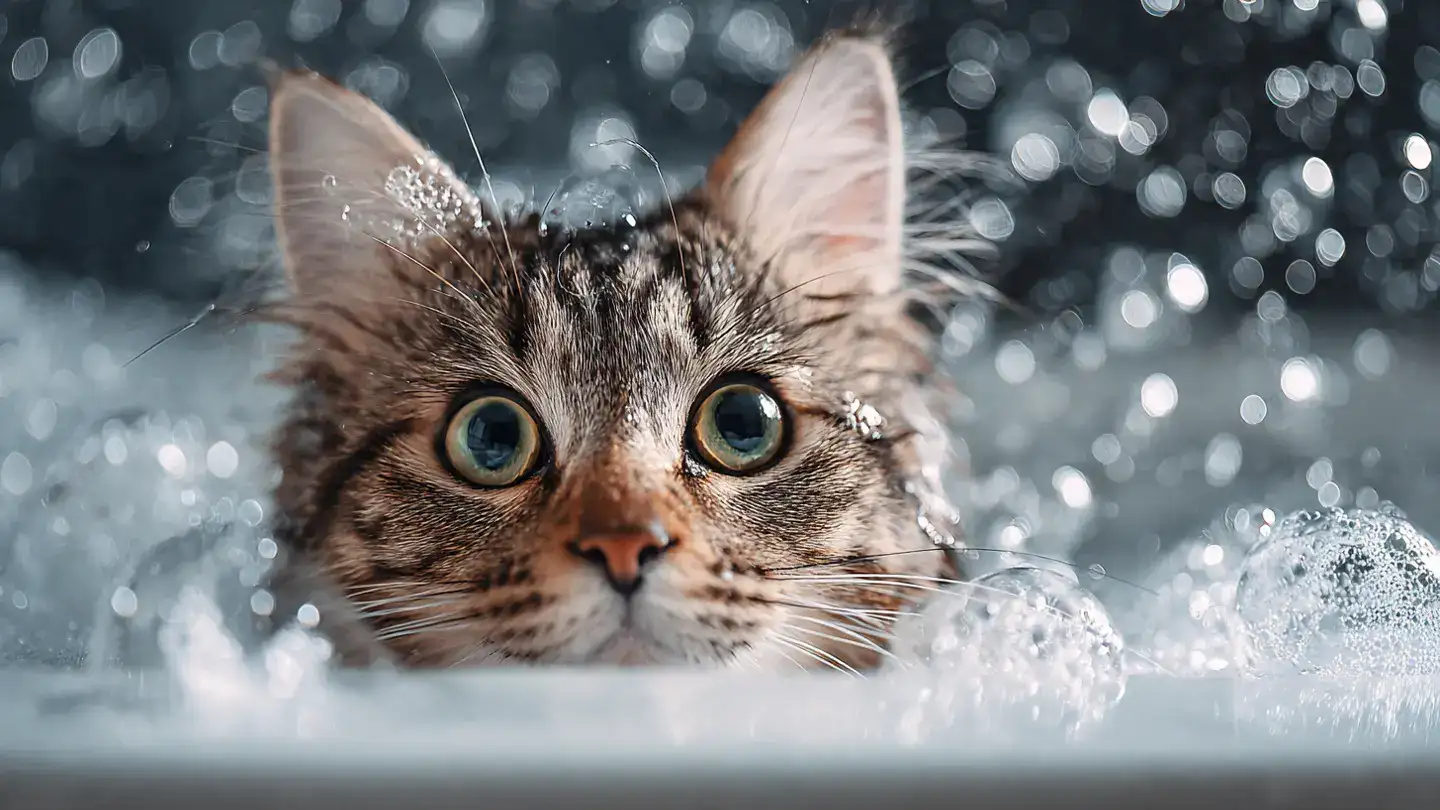
In fact, bathing too often can sometimes create more problems than it solves. Overwashing may dry out the skin, reduce natural protective oils and make the coat feel rougher over time. The better approach is to understand your cat’s unique needs instead of following a fixed weekly or monthly schedule.
A bath may only be necessary once every few months, or even less, if the coat remains soft, clean and odour-free. Many short-haired cats can comfortably go long periods without ever needing a full wash.
The focus should be on observing the coat rather than following the calendar. If your cat’s fur looks fresh and feels smooth, there is usually no need to interfere.
Short-haired cats are generally low-maintenance. Their fur traps less dirt and is easier for them to clean on their own. These cats may need a bath only when they get into something messy.
Long-haired breeds often need more grooming support. Their coats can collect litter particles, oils and dust more easily, especially around the legs and underbelly. While brushing is still the main priority, an occasional bath every few months can help keep the coat light, fresh and manageable.
Hairless cats need the most regular bathing. Because they do not have fur to absorb natural body oils, these oils build up directly on the skin. A gentle bath every week or two can help prevent greasiness and skin irritation.
A bath may be useful if:
Outdoor cats, however, may occasionally come home with mud, plant debris or substances that should not stay on the coat. In such cases, a bath becomes more about safety than appearance.
Even then, it is best to wash only the affected area if possible rather than giving a full bath every time.
Regular brushing removes loose hair, prevents knots, reduces hairballs and spreads natural oils evenly through the coat. This keeps fur glossy and healthy without disturbing the skin barrier.
Short-haired cats usually benefit from brushing once or twice a week. Long-haired breeds may need daily brushing to avoid matting.
For many pet parents, consistent brushing reduces the need for bathing almost entirely.
Use lukewarm water and a pet-safe shampoo made specifically for cats. Human shampoos should always be avoided because they can be too harsh for feline skin.
Keep the environment quiet, use a non-slip mat and avoid splashing water near the face or ears. A soft towel dry is usually enough afterwards, although long-haired cats may need extra drying time in a warm room.
The aim is to make the experience quick and gentle so your cat does not begin to fear grooming sessions.
Most healthy indoor cats rarely need a bath. Their grooming instincts are strong, and their skin is healthiest when natural oils are left undisturbed. Bathing should be occasional, purposeful and based on visible need rather than habit.
A well-balanced cat grooming routine should prioritise brushing, coat checks and spot cleaning before full bathing. This approach keeps your cat’s fur healthy while protecting comfort and reducing stress.
In the end, the ideal routine is the one that respects your cat’s natural grooming ability while stepping in only when extra care is truly needed. A clean coat, healthy skin and a relaxed pet always matter more than frequent washing.
Image Courtesy: Meta AI
In fact, bathing too often can sometimes create more problems than it solves. Overwashing may dry out the skin, reduce natural protective oils and make the coat feel rougher over time. The better approach is to understand your cat’s unique needs instead of following a fixed weekly or monthly schedule.
Most Cats Need Baths Only Occasionally
For a healthy indoor cat, baths are usually rare. Cats living mostly inside the home are less exposed to mud, grease, dust and outdoor allergens, which means their own grooming routine is often enough to keep their fur in good condition.A bath may only be necessary once every few months, or even less, if the coat remains soft, clean and odour-free. Many short-haired cats can comfortably go long periods without ever needing a full wash.
The focus should be on observing the coat rather than following the calendar. If your cat’s fur looks fresh and feels smooth, there is usually no need to interfere.
Coat Type Makes A Big Difference
One of the most important factors in deciding cat bathing frequency is coat type.Short-haired cats are generally low-maintenance. Their fur traps less dirt and is easier for them to clean on their own. These cats may need a bath only when they get into something messy.
Long-haired breeds often need more grooming support. Their coats can collect litter particles, oils and dust more easily, especially around the legs and underbelly. While brushing is still the main priority, an occasional bath every few months can help keep the coat light, fresh and manageable.
Hairless cats need the most regular bathing. Because they do not have fur to absorb natural body oils, these oils build up directly on the skin. A gentle bath every week or two can help prevent greasiness and skin irritation.
Signs Your Cat Actually Needs A Bath
Instead of bathing by routine, it is smarter to look for clear signs that your cat needs help.A bath may be useful if:
- The fur feels greasy or sticky
- There is a noticeable unpleasant smell
- Dirt or litter is trapped in the coat
- The cat has rolled in something messy
- Shedding has increased with loose fur sticking to the coat
- Your cat is elderly and struggles to groom properly
Indoor Cats Vs Outdoor Cats
Indoor cat care is usually simpler because the environment is more controlled. Less dirt, fewer allergens and limited exposure to sticky surfaces mean less need for bathing.Outdoor cats, however, may occasionally come home with mud, plant debris or substances that should not stay on the coat. In such cases, a bath becomes more about safety than appearance.
Even then, it is best to wash only the affected area if possible rather than giving a full bath every time.
Why Brushing Matters More Than Bathing
When it comes to feline hygiene tips , brushing is often far more important than bathing.Regular brushing removes loose hair, prevents knots, reduces hairballs and spreads natural oils evenly through the coat. This keeps fur glossy and healthy without disturbing the skin barrier.
Short-haired cats usually benefit from brushing once or twice a week. Long-haired breeds may need daily brushing to avoid matting.
For many pet parents, consistent brushing reduces the need for bathing almost entirely.
How To Bathe Your Cat Safely
If your cat genuinely needs a bath, keeping the process calm is essential.Use lukewarm water and a pet-safe shampoo made specifically for cats. Human shampoos should always be avoided because they can be too harsh for feline skin.
Keep the environment quiet, use a non-slip mat and avoid splashing water near the face or ears. A soft towel dry is usually enough afterwards, although long-haired cats may need extra drying time in a warm room.
The aim is to make the experience quick and gentle so your cat does not begin to fear grooming sessions.
The Ideal Bathing Rule For Most Cats
The best answer to how often to bathe a cat is simple: only when necessary.Most healthy indoor cats rarely need a bath. Their grooming instincts are strong, and their skin is healthiest when natural oils are left undisturbed. Bathing should be occasional, purposeful and based on visible need rather than habit.
A well-balanced cat grooming routine should prioritise brushing, coat checks and spot cleaning before full bathing. This approach keeps your cat’s fur healthy while protecting comfort and reducing stress.
In the end, the ideal routine is the one that respects your cat’s natural grooming ability while stepping in only when extra care is truly needed. A clean coat, healthy skin and a relaxed pet always matter more than frequent washing.
Image Courtesy: Meta AI
Next Story