
Why Don’t Peacocks Die After Eating Venomous Snakes? The Truth Revealed

The Indian peafowl may be famous for its dazzling feathers, but there’s more to this bird than beauty. It’s also a fearless predator, one that can hunt and eat venomous snakes without suffering any harm. Sounds unbelievable? The science behind it is surprisingly simple.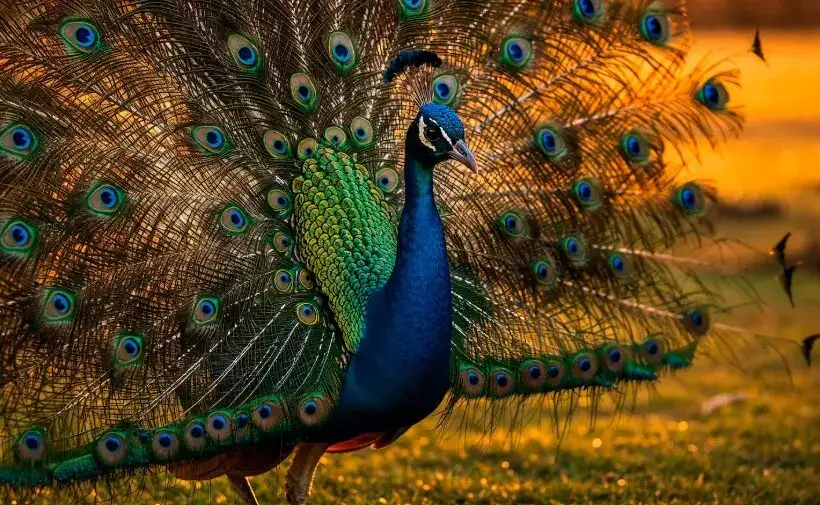
Nature’s Fearless Snake Hunter
Peacocks are omnivores, feeding on insects, small creatures, and even highly venomous snakes. Their sharp reflexes and strong beaks help them attack and subdue snakes quickly. This natural ability has earned them a reputation as efficient snake-catchers in the wild.
Why Snake Venom Doesn’t Affect Them
The real secret lies in how snake venom works. Venom is made of complex proteins that become dangerous only when they enter the bloodstream. When a peacock swallows a snake, the venom goes directly into its digestive system, not the blood. As a result, it doesn’t harm the bird.
The Role of Digestion
Inside the stomach, powerful digestive enzymes break down the venom just like any other protein. This process neutralises its toxic effects completely. In simple terms, the venom loses its potency before it can do any damage.
One Important Condition
There’s a small catch. This natural protection works only if the peacock has no cuts or injuries in its mouth or digestive tract. If venom enters the bloodstream through a wound, it can still be dangerous. However, such conditions are rare in birds like peacocks.
Built for Survival
Unlike humans, peacocks rarely suffer from mouth ulcers or internal injuries. This makes their venom-handling ability even more effective. Their strong digestive system and feeding habits ensure they can safely consume venomous prey.
More Than Just Beauty
This fascinating ability is one of the reasons peacocks are admired in Indian culture. Beyond their elegance, they represent strength, resilience, and nature’s smart design, proving they are much more than just a pretty sight.
Disclaimer: This article is for informational and educational purposes only. It is based on general wildlife observations and expert insights. The behaviour of animals in the wild can vary, and this content should not be interpreted as encouragement to interact with or handle wild animals, especially venomous snakes. Always maintain a safe distance from wildlife and rely on trained professionals for any related concerns.
Nature’s Fearless Snake Hunter
Peacocks are omnivores, feeding on insects, small creatures, and even highly venomous snakes. Their sharp reflexes and strong beaks help them attack and subdue snakes quickly. This natural ability has earned them a reputation as efficient snake-catchers in the wild. Why Snake Venom Doesn’t Affect Them
The real secret lies in how snake venom works. Venom is made of complex proteins that become dangerous only when they enter the bloodstream. When a peacock swallows a snake, the venom goes directly into its digestive system, not the blood. As a result, it doesn’t harm the bird.The Role of Digestion
Inside the stomach, powerful digestive enzymes break down the venom just like any other protein. This process neutralises its toxic effects completely. In simple terms, the venom loses its potency before it can do any damage. One Important Condition
There’s a small catch. This natural protection works only if the peacock has no cuts or injuries in its mouth or digestive tract. If venom enters the bloodstream through a wound, it can still be dangerous. However, such conditions are rare in birds like peacocks.Built for Survival
Unlike humans, peacocks rarely suffer from mouth ulcers or internal injuries. This makes their venom-handling ability even more effective. Their strong digestive system and feeding habits ensure they can safely consume venomous prey. More Than Just Beauty
This fascinating ability is one of the reasons peacocks are admired in Indian culture. Beyond their elegance, they represent strength, resilience, and nature’s smart design, proving they are much more than just a pretty sight. Disclaimer: This article is for informational and educational purposes only. It is based on general wildlife observations and expert insights. The behaviour of animals in the wild can vary, and this content should not be interpreted as encouragement to interact with or handle wild animals, especially venomous snakes. Always maintain a safe distance from wildlife and rely on trained professionals for any related concerns.
Next Story