
How Penguins Survive The Harsh Antarctic Cold With Remarkable Natural Adaptations And Behaviour

Life in Antarctica presents some of the harshest conditions on the planet, with freezing temperatures, powerful winds and long periods of darkness. Yet, penguins have evolved to not only survive but thrive in this extreme environment. Their ability to endure such cold is the result of a combination of biological adaptations and behavioural strategies that work together to conserve heat and energy. Understanding how penguins survive cold reveals a fascinating example of nature’s resilience and precision.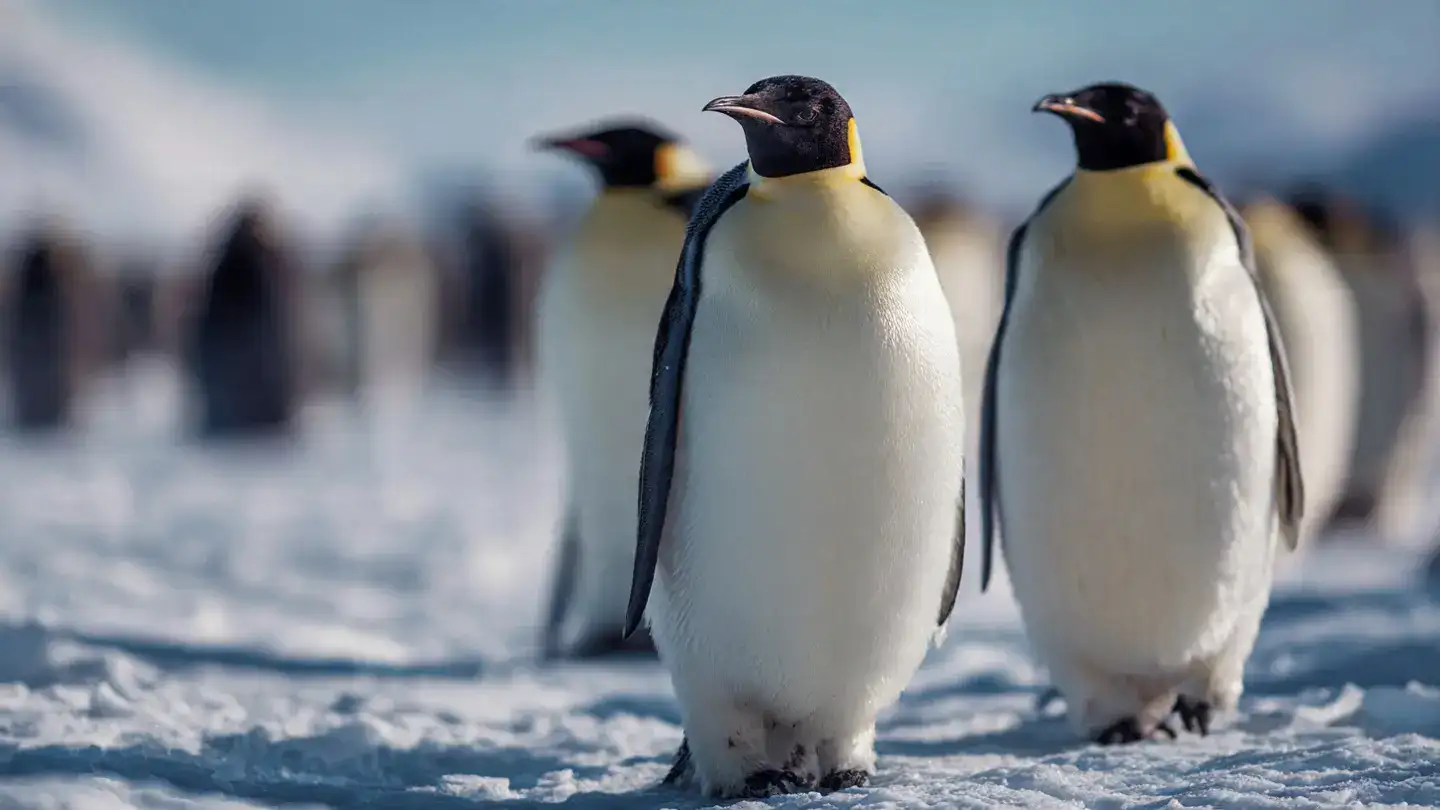
Beneath the feathers lies a thick layer of fat, known as blubber. This acts as an additional insulating layer, helping retain body heat even in freezing water. Together, these features form one of the most effective natural insulation systems in the animal kingdom, making penguin insulation features essential for survival.
In addition, penguins possess a specialised circulatory system that limits heat loss through their flippers and feet. Blood flowing to these areas is cooled before returning to the body core, ensuring that vital organs remain warm. This efficient design plays a key role in penguin adaptations Antarctica .
Within these huddles, penguins constantly rotate positions so that each individual gets a turn in the warmer centre. This cooperative behaviour ensures that the entire group benefits, demonstrating how Antarctic wildlife survival often depends on teamwork as much as physical adaptation.
Their metabolism is also adapted to function efficiently in low temperatures, allowing them to maintain body heat without excessive energy loss. These strategies ensure that penguins can survive long stretches of harsh weather without constant feeding.
On land, they often stand upright and tuck their flippers close to their bodies to minimise heat loss. Some species also balance on their heels and tails, reducing contact with the icy ground. These small behavioural adjustments play a significant role in how penguins stay warm .
During this time, males can go for weeks without eating, relying entirely on stored energy. This extraordinary commitment highlights the strength of extreme cold survival animals and their ability to adapt to demanding conditions.
In large colonies, the outer layer of penguins acts as a barrier against the wind, protecting those inside. This layered defence system further enhances their ability to endure severe weather.
Penguins are a remarkable example of how life can adapt to even the most unforgiving environments. Through a combination of physical traits, behavioural strategies and social cooperation, they have mastered survival in the Antarctic cold. Their resilience not only highlights the wonders of evolution but also underscores the delicate balance required to sustain life in extreme climates.
Image Courtesy: Meta AI
Thick Layers Of Insulation
One of the primary reasons penguins can withstand Antarctic temperatures is their exceptional insulation. Their bodies are covered with densely packed feathers that trap air and create a protective barrier against the cold. These feathers are also waterproof, preventing icy water from reaching their skin while swimming.Beneath the feathers lies a thick layer of fat, known as blubber. This acts as an additional insulating layer, helping retain body heat even in freezing water. Together, these features form one of the most effective natural insulation systems in the animal kingdom, making penguin insulation features essential for survival.
Efficient Body Shape And Heat Retention
Penguins have a compact, streamlined body shape that minimises heat loss. Their relatively small wings and short extremities reduce the surface area exposed to cold air, which helps conserve warmth.In addition, penguins possess a specialised circulatory system that limits heat loss through their flippers and feet. Blood flowing to these areas is cooled before returning to the body core, ensuring that vital organs remain warm. This efficient design plays a key role in penguin adaptations Antarctica .
Huddling Together For Warmth
One of the most remarkable survival strategies observed in penguins is their social behaviour. During extreme cold, especially in winter, penguins gather in large groups known as huddles. By standing close together, they reduce exposure to icy winds and share body heat.Within these huddles, penguins constantly rotate positions so that each individual gets a turn in the warmer centre. This cooperative behaviour ensures that the entire group benefits, demonstrating how Antarctic wildlife survival often depends on teamwork as much as physical adaptation.
Conserving Energy In Harsh Conditions
Energy conservation is crucial in an environment where food can be scarce. Penguins reduce their activity levels during the coldest periods to minimise energy expenditure. They rely on stored fat reserves to sustain themselves when hunting becomes difficult.Their metabolism is also adapted to function efficiently in low temperatures, allowing them to maintain body heat without excessive energy loss. These strategies ensure that penguins can survive long stretches of harsh weather without constant feeding.
Specialised Behaviour In Water And On Ice
While Antarctica is freezing, the ocean can sometimes be warmer than the air above. Penguins spend a significant amount of time in water, where their insulation helps maintain body temperature. Their streamlined bodies also allow them to swim efficiently, reducing energy use.On land, they often stand upright and tuck their flippers close to their bodies to minimise heat loss. Some species also balance on their heels and tails, reducing contact with the icy ground. These small behavioural adjustments play a significant role in how penguins stay warm .
Adaptations For Raising Chicks
Surviving the cold becomes even more challenging during breeding seasons. Male penguins, particularly emperor penguins, incubate eggs by balancing them on their feet and covering them with a fold of skin known as a brood pouch. This keeps the eggs warm and protected from freezing temperatures.During this time, males can go for weeks without eating, relying entirely on stored energy. This extraordinary commitment highlights the strength of extreme cold survival animals and their ability to adapt to demanding conditions.
Protection Against Harsh Winds
Antarctica is not just cold, it is also extremely windy. Penguins position themselves strategically, often facing into the wind to reduce its impact. Their tightly packed feathers help shield their bodies, while their posture minimises exposure.In large colonies, the outer layer of penguins acts as a barrier against the wind, protecting those inside. This layered defence system further enhances their ability to endure severe weather.
Penguins are a remarkable example of how life can adapt to even the most unforgiving environments. Through a combination of physical traits, behavioural strategies and social cooperation, they have mastered survival in the Antarctic cold. Their resilience not only highlights the wonders of evolution but also underscores the delicate balance required to sustain life in extreme climates.
Image Courtesy: Meta AI
Next Story