
How Prebiotics and Probiotics Support Gut Health During Pregnancy


Gut health plays an important role in maintaining your digestive system. Millions of microbes in your digestive system impact how your nutrition is absorbed, immune function, and mood during pregnancy. A balanced gut microbiome extracts nutrients like folate, iron, and omega-3 acids to help build a baby's brain, bones, and blood cells.
Pregnancy hormones progesterone and estrogen change the gut microbiome by influencing the brain-gut axis and immune response, thereby supporting nutrient absorption and immune function. These changes increase the risk of constipation and gestational diabetes. Probiotics and prebiotics help the food digest well and support a healthy gut. Probiotics supply beneficial bacteria, and prebiotics help good bacteria grow and multiply. Probiotics and prebiotics together support digestion and regular bowel movements.
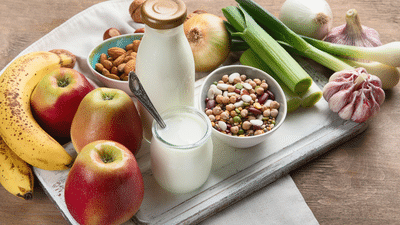
What are ProbioticsProbiotics are live beneficial bacteria in the gut and vagina, as well as in immune pathways, that help restore balance, improve digestion, and increase immune function. Probiotics are needed in pregnancy when hormonal changes disrupt microbial harmony. Good bacteria ferment the undigested fibre from your food and produce short-chain fatty acids. Butyrate is one of the fatty acids which feed the cells in your intestines, reduces inflammation, and improves the body’s response to insulin.
Probiotics consist of live bacteria, such as Lactobacillus and Bifidobacterium, that naturally live in your gut, vagina, and immune pathways. During pregnancy, progesterone release slows digestion, alters immunity, and creates a favourable environment for harmful bacteria to grow. This imbalance is called dysbiosis. Probiotics strengthen the gut barrier and reduce inflammation by preventing harmful bacteria and toxins from mixing into the bloodstream.
Benefits of Probiotics during PregnancyVaginal Health: Estrone increases vaginal glycogen, which feeds beneficial bacteria, and progesterone increases the risk of yeast infection and bacterial vaginosis. Probiotics help restore healthy vaginal pH and produce lactic acid and antimicrobial compounds to suppress bad bacteria. Immune Support: Pregnancy naturally reduces your immune strength to tolerate a baby, but it should be balanced enough to fight infections. Probiotics help by calming inflammation and strengthening protective immune responses. What are PrebioticsPrebiotics are a type of plant fibre which passes through your stomach and reaches the large intestine untouched by digestive enzymes from the small intestine. Prebiotics are non-digestible fibre that supports beneficial probiotic bacteria and their growth and function. Prebiotics act as food for beneficial bacteria, and those from your food help probiotics grow stronger, multiply, and fight harmful microbes.
Prebiotics help in fermentation, which produces short-chain fatty acids like acetate, propionate, and butyrate. These SCFAs are active molecules that aid digestion, regulate blood sugar, reduce inflammation, boost immunity and metabolism, and support positive pregnancy outcomes. Acetate provides energy for life, propionate controls hunger, and butyrate provides energy for colon cells. These SCFAs also reach the amniotic fluid and train your baby’s immune system to promote tolerance.
Benefits of Prebiotics During PregnancySupport Immune System: Prebiotics improve immune tolerance and increase regulatory immune cells that calm inflammation. Probiotics, Probiotics, and Synbiotics
Natural Probiotic Sources Safe for PregnancyBanana: High in resistant starch and has prebiotic effects Barley: It contains beta-glucan, a prebiotic fibre Gut health is crucial during pregnancy as it influences your immunity, nutrient absorption, and mood stability. Any imbalance here may increase the risk of gestational diabetes or preeclampsia. Probiotics and prebiotics serve an important role in maternal digestion and support the infant's immune tolerance. Prioritise food-based sources of probiotics and prebiotics for better absorption.
Whether you’re pregnant, a new mom, or navigating postpartum, you don’t have to do it alone. Join our support group to connect, share, and support one another.
FAQs on How Prebiotics and Probiotics Support Gut Health During PregnancyWhat are the signs of probiotic deficiency?
Probiotic disorder starts from an imbalance in the gut microbiome. A few signs include frequent bloating, diarrhoea, or constipation; irregular bowel habits with cramps; recurring colds, sinus, and throat infections; difficulty sleeping; and acne, eczema, and rosacea also flaring up. Can I take prenatals and probiotics together?
It's safe to take prenatal vitamins and probiotics together. Taking them together helps build a healthy microbiome and supports the immune system. Prenatal vitamins provide essential nutrients for the baby while probiotics support the mother's gut health, immune system, and digestion, and improve nutrient absorption. Taking prenatals and probiotics together complements each other and improves the mother's and foetus's wellness.
Pregnancy hormones progesterone and estrogen change the gut microbiome by influencing the brain-gut axis and immune response, thereby supporting nutrient absorption and immune function. These changes increase the risk of constipation and gestational diabetes. Probiotics and prebiotics help the food digest well and support a healthy gut. Probiotics supply beneficial bacteria, and prebiotics help good bacteria grow and multiply. Probiotics and prebiotics together support digestion and regular bowel movements.
What are ProbioticsProbiotics are live beneficial bacteria in the gut and vagina, as well as in immune pathways, that help restore balance, improve digestion, and increase immune function. Probiotics are needed in pregnancy when hormonal changes disrupt microbial harmony. Good bacteria ferment the undigested fibre from your food and produce short-chain fatty acids. Butyrate is one of the fatty acids which feed the cells in your intestines, reduces inflammation, and improves the body’s response to insulin.
Probiotics consist of live bacteria, such as Lactobacillus and Bifidobacterium, that naturally live in your gut, vagina, and immune pathways. During pregnancy, progesterone release slows digestion, alters immunity, and creates a favourable environment for harmful bacteria to grow. This imbalance is called dysbiosis. Probiotics strengthen the gut barrier and reduce inflammation by preventing harmful bacteria and toxins from mixing into the bloodstream.
Benefits of Probiotics during Pregnancy
- Digestive Health: Constipation is common during pregnancy. Progesterone relaxes smooth muscle throughout the body, which slows bowel movements. Probiotics help relieve constipation by improving your gut function. It ferments dietary fibre and produces SCFAs, which stimulate colon contractions and soften stool by increasing water retention.
- Gestational Diabetes: As pregnancy progresses, the body becomes more insulin-resistant, leading to gestational diabetes. Probiotics regulate blood sugar through SCFA, which improves insulin sensitivity, reduces inflammation, and glucose spikes after meals.
Prebiotics help in fermentation, which produces short-chain fatty acids like acetate, propionate, and butyrate. These SCFAs are active molecules that aid digestion, regulate blood sugar, reduce inflammation, boost immunity and metabolism, and support positive pregnancy outcomes. Acetate provides energy for life, propionate controls hunger, and butyrate provides energy for colon cells. These SCFAs also reach the amniotic fluid and train your baby’s immune system to promote tolerance.
Benefits of Prebiotics During Pregnancy
- Improve Digestion: Prebiotics add water to the stool and stimulate gentle bowel movement. It also supports healthy gut bacteria for digestion.
- Regulate Blood Sugar Levels: Prebiotics feed beneficial gut bacteria, helping your body better manage glucose. It helps improve insulin sensitivity and reduce sharp blood sugar spikes after meals.
- Reduce Inflammation: Gut bacteria ferment prebiotics and produce SCFAs, which help strengthen the intestinal lining, prevent harmful substances and toxins from entering the bloodstream, and reduce inflammation.
| Feature | Probiotics | Prebiotics | Synbiotics |
| Meaning | These are live, friendly bacteria such as Lactobacillus and Bifidobacterium | Plant fibres that your stomach cannot digest | A combination of prebiotics and probiotics |
| How they work | Produce helpful bacteria in the gut and vaginal area and fight against harmful microbes | Feed and strengthen the beneficial bacteria present in your body | Prebiotics protect and support the probiotics to improve their efficiency |
| Speed | Works quickly within a few days | The effect starts gradually over 1-2 weeks | Act fast because probiotics support instantly |
| Benefit duration | Provides benefits for the short term and requires regular consumption | Long-term benefits | Long-lasting |
| Digestion benefits | Relieve constipation, bloating, and reduce harmful bacteria | Improve overall gut health and increase anti-inflammatory compounds | Controls blood sugar level and reduces the risk of gestational diabetes and preeclampsia |
| Vaginal and Immune Health Benefits | Lower vaginal pH reduces infections and increases anti-inflammatory signals | Strengthen gut lining and promote immune tolerance | Protects against infections and regulates the immune response |
| How it supports the baby’s health | It may reduce colic symptoms | Reduce obesity risk and immune disorders | Protects against eczema and allergies |
| Food Sources | Yoghurt and fermented foods | Onion, garlic, banana, oats, legumes, and cooled rice | Fortified foods and supplements. |
Natural Probiotic Sources Safe for Pregnancy
- Yoghurt: Fermented dairy contains lactic acid and bifidobacteria
- Kefir: It's also a fermented milk, which is suitable for lactose-intolerant people
- Tempeh: Fermenting soybeans reduces the phytic acid and produces vitamin B12
- Kimchi: Spicy Fermented Cabbage contains Lactobacillus and lactic acid for digestive health
- Kombucha: Drinking Kombucha reduces the risk of cancer and diabetes, and is a perfect source of probiotics
- Buttermilk: It contains vitamin B12, riboflavin, calcium, and phosphorus
- Garlic: It promotes the growth of beneficial bacteria in the gut
- Onions: They contain insulin and fructooligosaccharides, a carbohydrate that strengthens gut health
- Asparagus: It naturally contains inulin and is a perfect source of prebiotics
Whether you’re pregnant, a new mom, or navigating postpartum, you don’t have to do it alone. Join our support group to connect, share, and support one another.
FAQs on How Prebiotics and Probiotics Support Gut Health During Pregnancy
Probiotic disorder starts from an imbalance in the gut microbiome. A few signs include frequent bloating, diarrhoea, or constipation; irregular bowel habits with cramps; recurring colds, sinus, and throat infections; difficulty sleeping; and acne, eczema, and rosacea also flaring up.
It's safe to take prenatal vitamins and probiotics together. Taking them together helps build a healthy microbiome and supports the immune system. Prenatal vitamins provide essential nutrients for the baby while probiotics support the mother's gut health, immune system, and digestion, and improve nutrient absorption. Taking prenatals and probiotics together complements each other and improves the mother's and foetus's wellness.
Next Story