
How Reusing Tea Leaves Can Transform Your Routine With Simple And Effective Uses

Rethinking Waste With Everyday Tea Leaves: In many households, tea is an essential part of daily life. Yet, once the flavour is extracted, tea leaves are often discarded without a second thought. What most people overlook is that these used tea leaves still retain valuable properties that can be repurposed in multiple ways. Embracing the idea to reuse tea leaves not only supports sustainable living ideas but also introduces simple, cost-effective solutions for everyday challenges.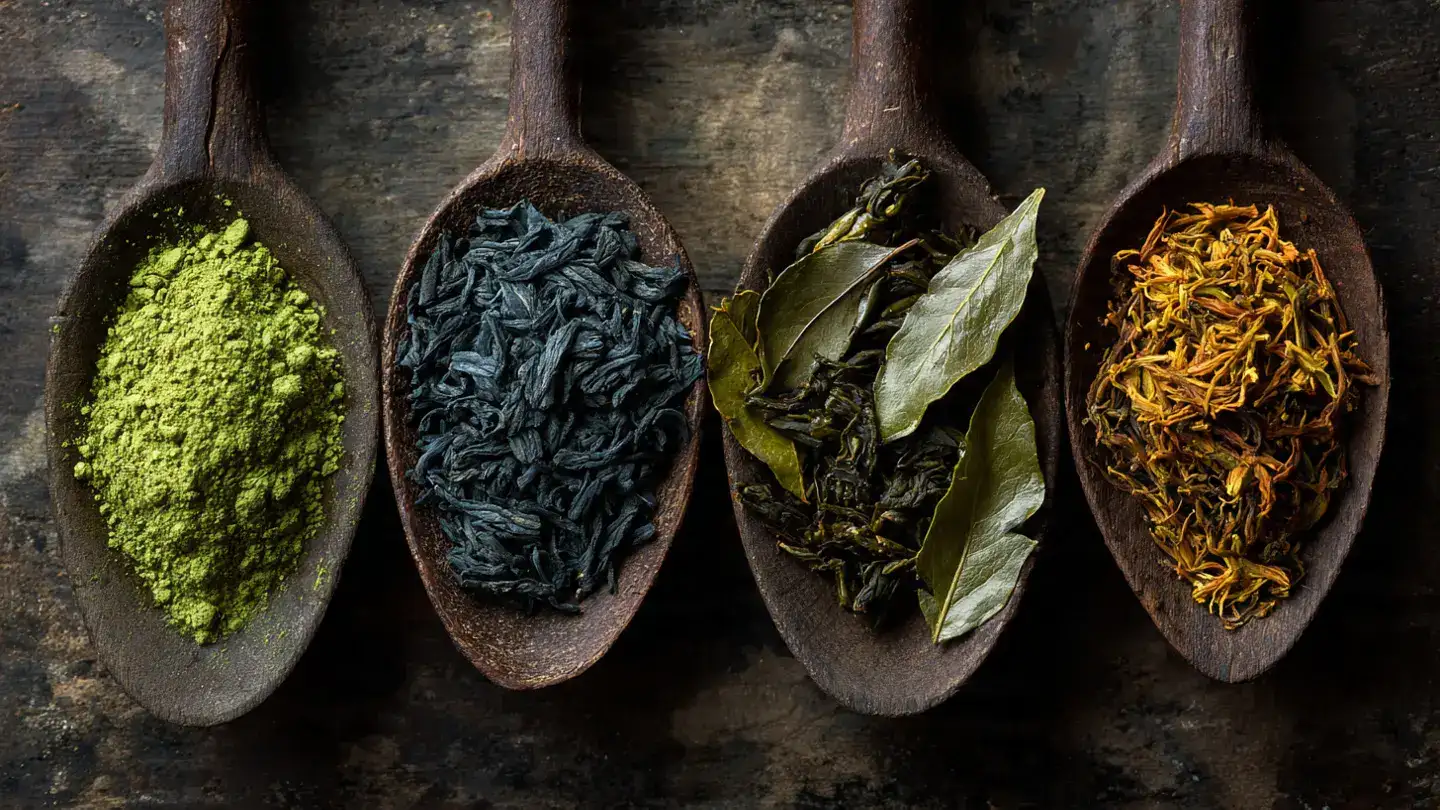
By understanding the hidden potential of tea waste uses , individuals can reduce unnecessary waste while enhancing their home environment naturally. This approach aligns with a growing awareness of eco friendly home tips that promote mindful consumption and practical reuse.
Dried tea leaves can be used to clean utensils, especially those with stubborn residue. They also work well for polishing wooden furniture, adding a subtle shine without the use of harsh chemicals. This makes them an excellent addition to eco friendly home tips that prioritise safety and sustainability.
In kitchens, tea leaves can help neutralise odours in sinks and bins. Their natural properties absorb unpleasant smells, leaving the area fresher.
Tea leaves can also act as a mild fertiliser, providing nutrients that support plant growth. When mixed with other compost materials, they enhance soil quality over time. This makes tea waste uses particularly valuable for those interested in sustainable gardening practices.
Additionally, dried tea leaves can help deter certain pests when sprinkled around plants, offering a natural alternative to chemical treatments.
Used tea leaves can be repurposed as a gentle exfoliating scrub, helping remove dead skin cells. When cooled and applied carefully, they may also soothe tired skin and reduce puffiness, particularly around the eyes.
In hair care, rinsing with diluted tea water can add a natural shine and freshness. These natural home remedies provide simple ways to incorporate sustainability into personal care routines.
They are particularly effective in areas such as refrigerators, shoe racks or wardrobes, where unwanted smells often build up. Unlike synthetic air fresheners, tea leaves offer a chemical-free alternative that is both safe and environmentally friendly.
This simple method demonstrates how reuse tea leaves can contribute to a cleaner and more pleasant living space.
In some culinary practices, tea-infused rice or desserts utilise the mild flavour left in previously brewed leaves. However, it is important to ensure that the leaves are fresh and handled hygienically before reuse in food preparation.
These creative applications highlight the versatility of tea waste uses beyond conventional expectations.
Incorporating such habits into daily routines encourages mindful consumption and reduces reliance on disposable products. Over time, these small actions contribute to a more sustainable and environmentally conscious lifestyle.
By adopting eco friendly home tips like these, individuals can play a role in minimising environmental impact while also benefiting from practical solutions.
Creating a simple routine, such as drying used tea leaves for later use or adding them to compost regularly, ensures that this practice becomes effortless. It also encourages a shift in perspective, viewing everyday waste as a potential resource.
The power of reusing tea leaves goes beyond convenience. It represents a thoughtful approach to living, where sustainability and practicality come together seamlessly. By recognising and utilising their hidden potential, you can transform a common household habit into a purposeful and rewarding practice.
Image Courtesy: Meta AI
By understanding the hidden potential of tea waste uses , individuals can reduce unnecessary waste while enhancing their home environment naturally. This approach aligns with a growing awareness of eco friendly home tips that promote mindful consumption and practical reuse.
Natural Cleaning Solutions For Your Home
Used tea leaves can serve as an effective and natural cleaning aid. Their mild abrasive texture and tannin content make them suitable for removing grease and stains from surfaces.Dried tea leaves can be used to clean utensils, especially those with stubborn residue. They also work well for polishing wooden furniture, adding a subtle shine without the use of harsh chemicals. This makes them an excellent addition to eco friendly home tips that prioritise safety and sustainability.
In kitchens, tea leaves can help neutralise odours in sinks and bins. Their natural properties absorb unpleasant smells, leaving the area fresher.
A Boost For Gardening And Plant Care
Gardeners can benefit significantly from reusing tea leaves. When added to soil, they improve texture and contribute organic matter, making them useful for composting.Tea leaves can also act as a mild fertiliser, providing nutrients that support plant growth. When mixed with other compost materials, they enhance soil quality over time. This makes tea waste uses particularly valuable for those interested in sustainable gardening practices.
Additionally, dried tea leaves can help deter certain pests when sprinkled around plants, offering a natural alternative to chemical treatments.
Skincare And Personal Care Benefits
The benefits of used tea leaves extend to personal care as well. Their antioxidant properties can support basic skincare routines when used appropriately.Used tea leaves can be repurposed as a gentle exfoliating scrub, helping remove dead skin cells. When cooled and applied carefully, they may also soothe tired skin and reduce puffiness, particularly around the eyes.
In hair care, rinsing with diluted tea water can add a natural shine and freshness. These natural home remedies provide simple ways to incorporate sustainability into personal care routines.
Odour Control And Freshness
One of the most practical uses of reused tea leaves is odour control. After drying, tea leaves can be placed in small pouches and used as natural deodorisers.They are particularly effective in areas such as refrigerators, shoe racks or wardrobes, where unwanted smells often build up. Unlike synthetic air fresheners, tea leaves offer a chemical-free alternative that is both safe and environmentally friendly.
This simple method demonstrates how reuse tea leaves can contribute to a cleaner and more pleasant living space.
You may also like
Enhancing Kitchen And Cooking Uses
While tea leaves are primarily used for brewing, certain varieties can be reused in cooking applications. For instance, lightly used leaves can be incorporated into marinades or flavouring agents, adding subtle depth to dishes.In some culinary practices, tea-infused rice or desserts utilise the mild flavour left in previously brewed leaves. However, it is important to ensure that the leaves are fresh and handled hygienically before reuse in food preparation.
These creative applications highlight the versatility of tea waste uses beyond conventional expectations.
Supporting A Sustainable Lifestyle
Reusing tea leaves is a small yet impactful step towards sustainability. It reflects a broader mindset of reducing waste and making the most of available resources.Incorporating such habits into daily routines encourages mindful consumption and reduces reliance on disposable products. Over time, these small actions contribute to a more sustainable and environmentally conscious lifestyle.
By adopting eco friendly home tips like these, individuals can play a role in minimising environmental impact while also benefiting from practical solutions.
Making Reuse A Daily Habit
The true value of reusing tea leaves lies in consistency. While each individual use may seem minor, collectively they make a meaningful difference.Creating a simple routine, such as drying used tea leaves for later use or adding them to compost regularly, ensures that this practice becomes effortless. It also encourages a shift in perspective, viewing everyday waste as a potential resource.
The power of reusing tea leaves goes beyond convenience. It represents a thoughtful approach to living, where sustainability and practicality come together seamlessly. By recognising and utilising their hidden potential, you can transform a common household habit into a purposeful and rewarding practice.
Image Courtesy: Meta AI






More from our partners


Loving Newspoint? Download the app now
