
How Royal Palaces In India Tell Stories Of Power And Heritage

Historic Royal Palaces Of India That Continue To Fascinate Visitors: India’s royal palaces stand as living witnesses to the country’s long and colourful history. These architectural wonders reflect royal lifestyles, artistic craftsmanship and political power across different regions. From desert forts to lake-side royal residences, each palace tells unique stories of kings, queens and historical events. Modern travellers and history enthusiasts continue to visit these monuments to experience India’s royal past. These palaces are not just tourist attractions but symbols of cultural identity and artistic excellence. The blend of local traditions, foreign influences and indigenous craftsmanship can be seen in every carved stone and painted wall.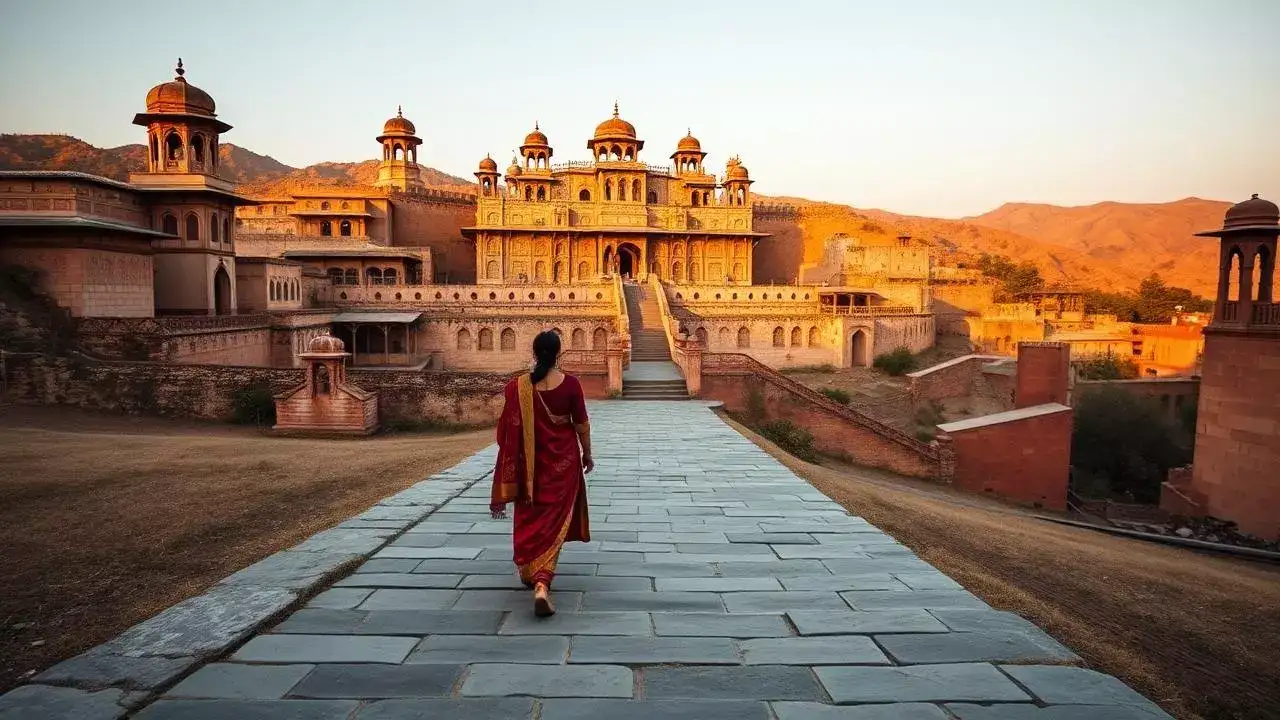
The palace also houses museums that display royal costumes, weapons and historical artefacts. Visitors can observe how royal families lived, worked and conducted political affairs. The vibrant colours used in palace decorations reflect Rajasthan’s cultural traditions. The structure remains an important part of Indian heritage tourism and attracts visitors from across the world.
During festive seasons, the palace is illuminated with thousands of lights, creating a spectacular visual experience. The interiors contain painted ceilings, royal thrones and historical royal family artefacts. The palace also reflects the importance of royal ceremonies and traditional celebrations in Indian history. Tourism around this monument contributes significantly to local culture and economy. The palace continues to represent royal South Indian heritage in modern times.
The structure was designed to provide strategic protection as well as royal comfort. Decorative mirror work, glass art and stone carvings are prominent inside the palace rooms. This palace also demonstrates how royal architecture adapted to geographical surroundings. Many travellers visit Udaipur specifically to experience the beauty of royal lake-side heritage architecture.
Royal palaces continue to inspire modern architecture and interior design trends. Many hotels and cultural centres adopt palace-style aesthetics to recreate historical luxury experiences. Younger generations are increasingly showing interest in learning about royal history through these monuments.
The royal palaces of India remain powerful symbols of cultural pride and historical continuity. Each palace represents a different era, region and royal tradition, making them valuable historical treasures. Their architectural beauty and cultural significance ensure they remain important parts of India’s heritage landscape.
City Palace, Jaipur Represents Rajput Royal Grandeur
The City Palace, Jaipur is one of the finest examples of Rajput royal architecture. Located in Rajasthan’s capital city, this palace complex showcases a blend of Mughal and Rajput architectural styles. The palace was built as a royal residence and administrative centre for the local rulers. Its large courtyards, decorated gateways and detailed carvings highlight traditional craftsmanship.The palace also houses museums that display royal costumes, weapons and historical artefacts. Visitors can observe how royal families lived, worked and conducted political affairs. The vibrant colours used in palace decorations reflect Rajasthan’s cultural traditions. The structure remains an important part of Indian heritage tourism and attracts visitors from across the world.
Mysore Palace Shows South Indian Royal Elegance
The Mysore Palace is famous for its grand illumination and Indo-Saracenic architectural style. This palace represents the royal legacy of South Indian kingdoms and their artistic achievements. The structure is decorated with colourful domes, arches and intricate carvings that reflect historical design influences.During festive seasons, the palace is illuminated with thousands of lights, creating a spectacular visual experience. The interiors contain painted ceilings, royal thrones and historical royal family artefacts. The palace also reflects the importance of royal ceremonies and traditional celebrations in Indian history. Tourism around this monument contributes significantly to local culture and economy. The palace continues to represent royal South Indian heritage in modern times.
You may also like
- CBSE Class 12 Accountancy exam 2026: Check important topics, preparation tips and last-minute revision strategy
- Pakistan: Three security personnel killed, several injured following quadcopter attack
 "People of Andhra deserve clear explanation": YSRCP claims higher price paid for 'ghee' supplied to Tirumala Tirupati Devasthanam
 Tejashwi Yadav slams Nitish Kumar after Bihar Assembly proceedings
- Tribal leaders gather for 'Grameen Charcha' to shape Viksit Bharat 2047 vision
City Palace, Udaipur Reflects Romantic Royal Architecture
The City Palace, Udaipur is known for its romantic lakeside setting and magnificent architecture. Built along the banks of a historic lake, this palace showcases traditional Rajasthani craftsmanship combined with royal luxury. The palace complex includes multiple courtyards, balconies and decorated terraces overlooking water views.The structure was designed to provide strategic protection as well as royal comfort. Decorative mirror work, glass art and stone carvings are prominent inside the palace rooms. This palace also demonstrates how royal architecture adapted to geographical surroundings. Many travellers visit Udaipur specifically to experience the beauty of royal lake-side heritage architecture.
Importance Of Preserving Royal Heritage Monuments
Preserving royal palaces helps protect historical knowledge and traditional architecture. These monuments provide insight into past political systems, social customs and cultural practices. Restoration projects across India help maintain structural safety while preserving original designs. Heritage tourism also supports local economies and promotes cultural awareness.Royal palaces continue to inspire modern architecture and interior design trends. Many hotels and cultural centres adopt palace-style aesthetics to recreate historical luxury experiences. Younger generations are increasingly showing interest in learning about royal history through these monuments.
The royal palaces of India remain powerful symbols of cultural pride and historical continuity. Each palace represents a different era, region and royal tradition, making them valuable historical treasures. Their architectural beauty and cultural significance ensure they remain important parts of India’s heritage landscape.






More from our partners


Loving Newspoint? Download the app now
