
How Salads Can Transform Your Weight Loss Plan When Done The Right Way

Salads are widely recommended for weight loss because they are typically low in calories and high in nutrients. When prepared thoughtfully, they provide fibre, vitamins and essential minerals while helping you feel full for longer.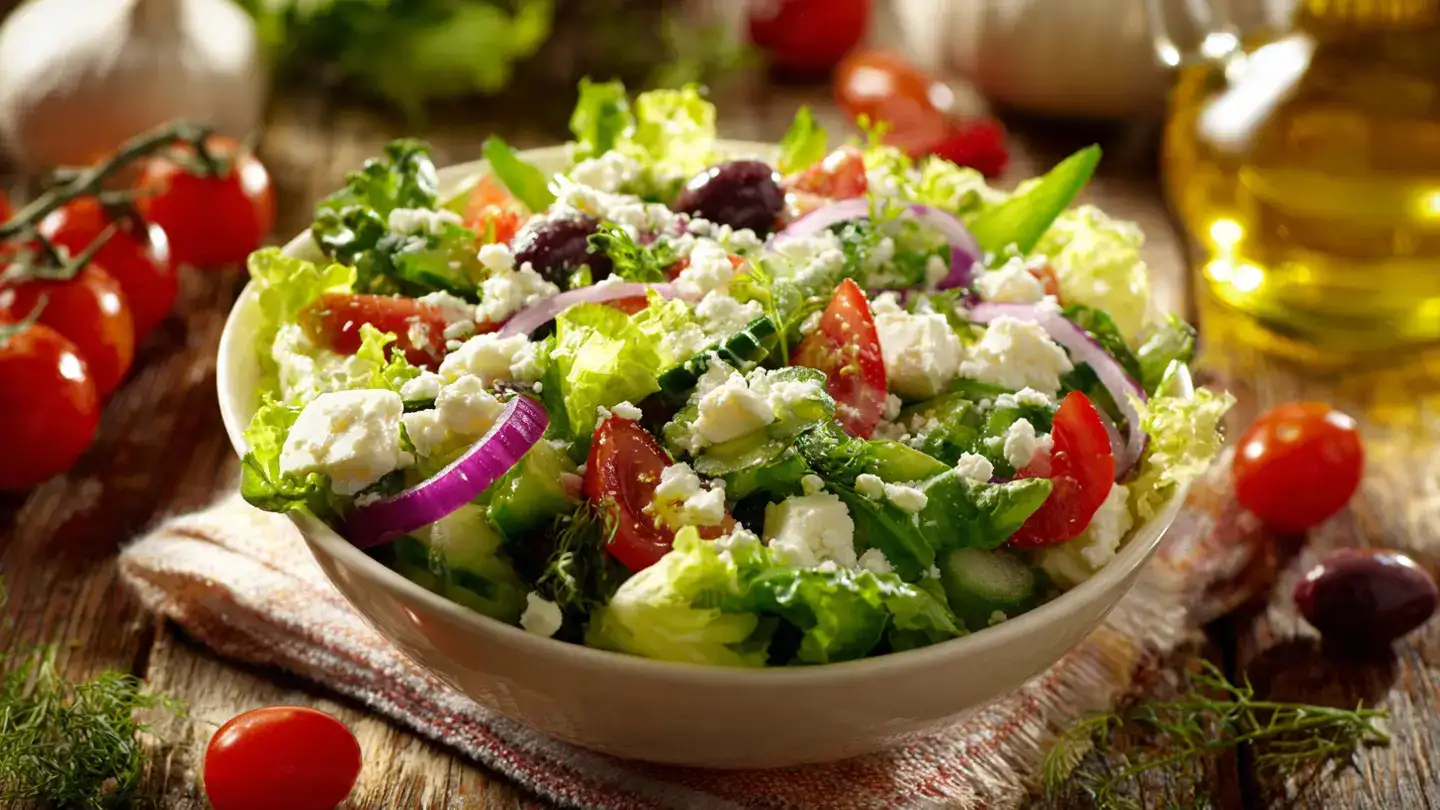
The high water and fibre content in vegetables supports digestion and reduces unnecessary snacking. This makes salads an excellent addition to a calorie-conscious eating plan without leaving you feeling deprived.
A well-rounded salad should include a mix of vegetables, protein, healthy fats and a small portion of complex carbohydrates. Adding grilled chicken, boiled eggs, chickpeas or paneer can significantly improve satiety.
Healthy fats from nuts, seeds or a drizzle of olive oil also play an important role. They not only enhance flavour but also help the body absorb fat-soluble nutrients.
Another common issue is lack of variety. Eating the same basic salad every day can lead to boredom and cravings, making it harder to stick to your weight loss plan.
Portion control is equally important. Even healthy ingredients can contribute to excess calorie intake if consumed in large quantities.
Including ingredients such as beans, lentils, tofu or lean meats ensures your salad is filling and nutritionally complete. Leafy greens like spinach and kale provide volume without adding many calories, making them ideal for weight management.
This combination helps prevent energy crashes and reduces the urge to snack between meals.
Consistency is key. Including salads regularly in your diet, rather than occasionally, helps create a sustainable eating pattern. However, they should complement your meals rather than replace essential nutrients from other food groups.
Adding herbs, spices and light dressings can elevate taste without significantly increasing calories. Seasonal produce also brings freshness and variety to your meals.
Ultimately, salads should not feel like a restriction but a smart and satisfying choice. When prepared correctly, they can become a powerful ally in your weight loss journey, helping you achieve your goals in a healthy and sustainable way.
Image Courtesy: Meta AI
The high water and fibre content in vegetables supports digestion and reduces unnecessary snacking. This makes salads an excellent addition to a calorie-conscious eating plan without leaving you feeling deprived.
Building A Balanced Salad That Actually Works
Not all salads are created equal. A bowl of just lettuce and cucumber may be low in calories, but it will not keep you satisfied for long. The key to effective weight loss salads lies in balance.A well-rounded salad should include a mix of vegetables, protein, healthy fats and a small portion of complex carbohydrates. Adding grilled chicken, boiled eggs, chickpeas or paneer can significantly improve satiety.
Healthy fats from nuts, seeds or a drizzle of olive oil also play an important role. They not only enhance flavour but also help the body absorb fat-soluble nutrients.
Avoiding Common Salad Mistakes
One of the biggest mistakes people make is loading salads with high-calorie dressings. Creamy sauces, excessive cheese and fried toppings can quickly turn a healthy meal into a calorie-heavy dish.Another common issue is lack of variety. Eating the same basic salad every day can lead to boredom and cravings, making it harder to stick to your weight loss plan.
Portion control is equally important. Even healthy ingredients can contribute to excess calorie intake if consumed in large quantities.
The Role Of Fibre And Protein In Satiety
Fibre and protein are crucial for keeping hunger at bay. Fibre slows digestion, while protein helps maintain muscle mass during weight loss.You may also like
- £700 payments decision for drivers confirmed for Monday March 30 2026
- The cheapest electric car to insure and it's not a Ford, MINI, or Dacia
- Drivers baffled by mysterious car ceiling button and what it means
- RAC mechanic issues EV alert for drivers making petrol or diesel comparison
- The quiet truth: You can't pour from an empty cup as a parent
Including ingredients such as beans, lentils, tofu or lean meats ensures your salad is filling and nutritionally complete. Leafy greens like spinach and kale provide volume without adding many calories, making them ideal for weight management.
This combination helps prevent energy crashes and reduces the urge to snack between meals.
Timing And Consistency Matter
Eating salads at the right time can also influence weight loss results. Having a salad before your main meal can reduce overall calorie intake by promoting fullness.Consistency is key. Including salads regularly in your diet, rather than occasionally, helps create a sustainable eating pattern. However, they should complement your meals rather than replace essential nutrients from other food groups.
Making Salads Enjoyable And Sustainable
For long-term success, your diet needs to be enjoyable. Experimenting with different ingredients, textures and flavours can make salads more appealing.Adding herbs, spices and light dressings can elevate taste without significantly increasing calories. Seasonal produce also brings freshness and variety to your meals.
Ultimately, salads should not feel like a restriction but a smart and satisfying choice. When prepared correctly, they can become a powerful ally in your weight loss journey, helping you achieve your goals in a healthy and sustainable way.
Image Courtesy: Meta AI






More from our partners


Loving Newspoint? Download the app now
