How Sleeping In A Sweater Affects Your Health: What You Need To Know

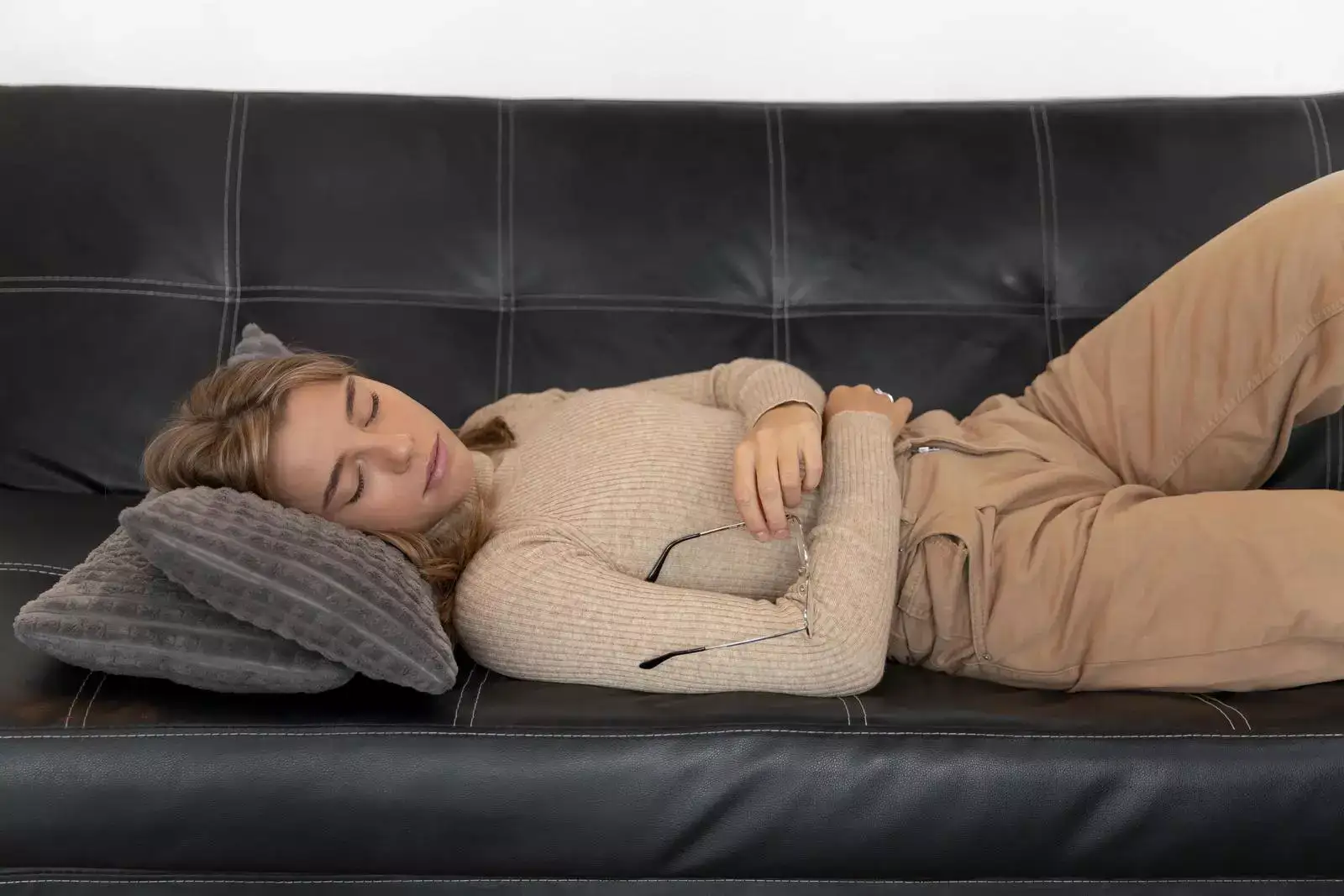
During the colder months, many people reach for a sweater to stay warm even when going to bed. But have you ever wondered if wearing a sweater while sleeping is actually safe? Health experts warn that sleeping in warm clothing can raise body temperature, potentially causing restlessness, skin irritation, itching, circulation problems, and other health issues.
How Warm Clothing Impacts the Body
Wearing a sweater to bed affects your body in several ways. While it might feel cosy at first, the added warmth can interfere with your body’s natural cooling process. During sleep, your body temperature naturally drops to help you rest more soundly. Overheating can disrupt this process, leading to discomfort and restless nights.
Sleep Disruption Risks
Experts recommend maintaining a bedroom temperature between 18°C and 21°C for optimal sleep. Wearing warm clothes, such as sweaters, can make you too hot, causing you to toss and turn, wake up frequently, or sweat—all of which reduce overall sleep quality.
Sweating and Dehydration
Sleeping in a sweater can trigger sweating as your body tries to cool down. Excessive sweating during the night can lead to dehydration, leaving you thirsty or fatigued by morning.
Skin Irritations and Rashes
Moisture trapped against the skin from sweating can result in rashes, itching, or prickly heat. Individuals with sensitive skin may notice irritation more quickly when wearing warm clothing to bed.
While wearing a sweater at night may offer immediate warmth, it can disrupt sleep and create health issues over time. Consider your body’s natural cooling needs and bedroom temperature to ensure a comfortable and restful night’s sleep.
How Warm Clothing Impacts the Body
Wearing a sweater to bed affects your body in several ways. While it might feel cosy at first, the added warmth can interfere with your body’s natural cooling process. During sleep, your body temperature naturally drops to help you rest more soundly. Overheating can disrupt this process, leading to discomfort and restless nights.Sleep Disruption Risks
Experts recommend maintaining a bedroom temperature between 18°C and 21°C for optimal sleep. Wearing warm clothes, such as sweaters, can make you too hot, causing you to toss and turn, wake up frequently, or sweat—all of which reduce overall sleep quality.
Sweating and Dehydration
Sleeping in a sweater can trigger sweating as your body tries to cool down. Excessive sweating during the night can lead to dehydration, leaving you thirsty or fatigued by morning. Skin Irritations and Rashes
Moisture trapped against the skin from sweating can result in rashes, itching, or prickly heat. Individuals with sensitive skin may notice irritation more quickly when wearing warm clothing to bed.While wearing a sweater at night may offer immediate warmth, it can disrupt sleep and create health issues over time. Consider your body’s natural cooling needs and bedroom temperature to ensure a comfortable and restful night’s sleep.
Next Story