
How To Achieve True Work Life Balance In A Fast Paced World Without Feeling Constantly Overwhelmed

In today’s fast paced world, maintaining a clear boundary between professional responsibilities and personal life has become increasingly challenging. With constant connectivity and rising expectations, many individuals find themselves struggling to switch off from work. Achieving work life balance is no longer a luxury but a necessity for both mental wellbeing and sustained productivity. It is about creating a rhythm where career ambitions and personal priorities coexist without one overwhelming the other.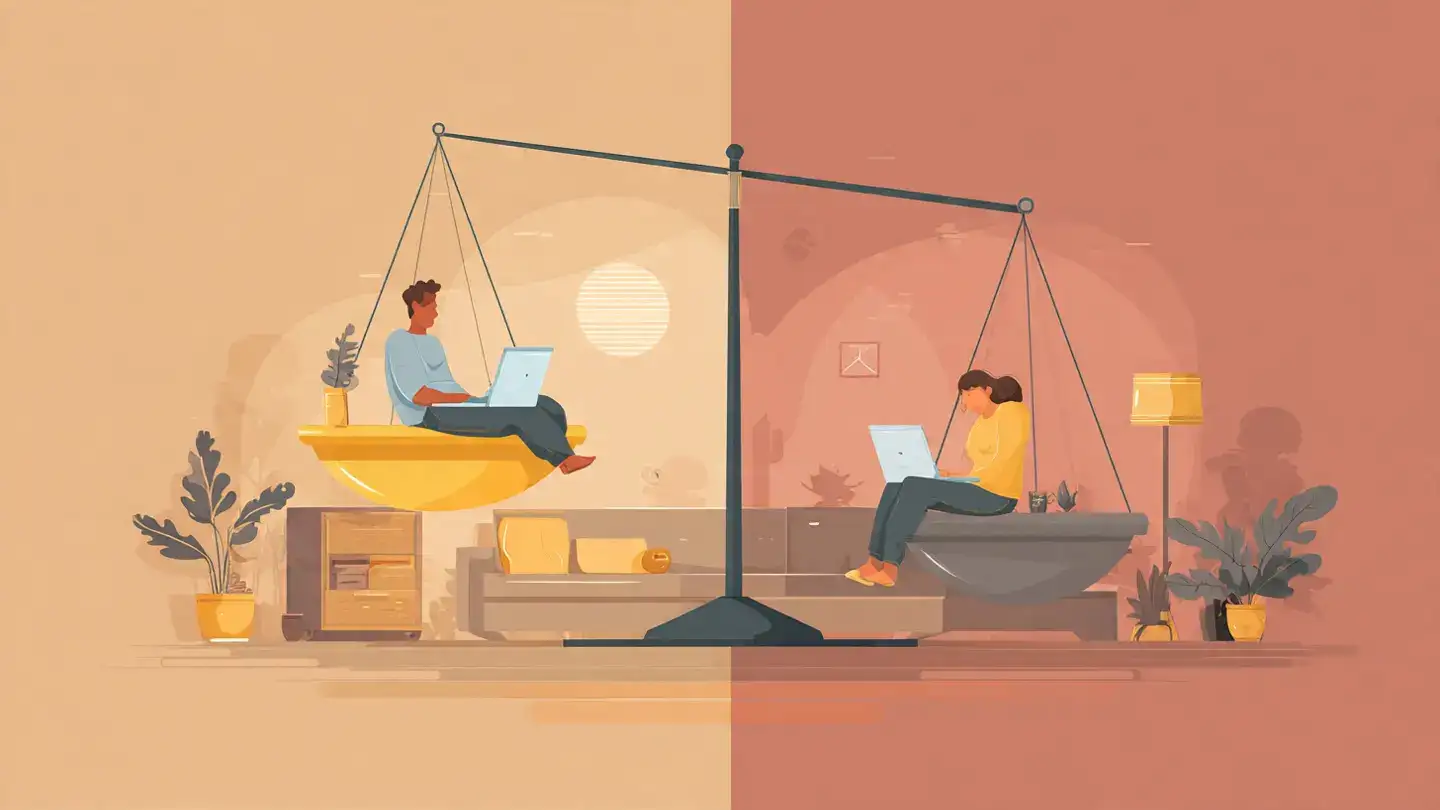
Finding this balance does not mean dividing time equally between work and personal life. Instead, it involves making conscious choices that align with your values and lifestyle. By adopting the right work life balance strategies , it is possible to reduce stress, improve focus and create a more fulfilling daily routine.
Take time to reflect on what truly matters. Once you define your personal goals, it becomes easier to structure your day in a way that supports both professional and personal fulfilment.
Switching off notifications after work hours and setting realistic expectations with colleagues can help maintain these boundaries. This approach not only reduces stress but also improves productivity during working hours.
Using simple planning techniques such as to do lists or time blocking can help organise your day better. This ensures that both work responsibilities and personal commitments receive adequate attention.
Being selective about commitments does not mean being uncooperative. Instead, it reflects an understanding of your limits and a commitment to maintaining a healthy work routine .
Whether it is reading, exercising or spending time with loved ones, these moments create a sense of balance. Regular breaks from work enhance creativity and prevent fatigue, contributing to better productivity and wellbeing .
Practising mindfulness or relaxation techniques can also help manage stress effectively. When your wellbeing is prioritised, it becomes easier to handle both work and personal responsibilities.
Adjusting your routine when needed ensures that you stay in control of your time. This adaptability is a key aspect of how to achieve work life balance in a realistic and sustainable way.
Designating specific times for checking emails or messages prevents unnecessary interruptions. This simple habit improves focus and creates more meaningful personal time.
Supportive relationships provide emotional strength and help manage challenges more effectively. They also contribute to a healthier and more positive environment both at work and at home.
While routines should be flexible, having a structured approach ensures that important aspects of life are not neglected. Over time, these habits become part of a sustainable and healthy work routine.
Achieving work life balance is an ongoing process rather than a fixed destination. It requires awareness, discipline and the willingness to make conscious changes. By focusing on priorities, setting boundaries and maintaining a healthy lifestyle, it is possible to create a life that feels both productive and fulfilling.
The journey towards balance may differ for everyone, but the outcome remains the same. A well balanced life leads to greater satisfaction, improved wellbeing and the ability to perform at your best in every aspect of life.
Image Courtesy: Meta AI
Finding this balance does not mean dividing time equally between work and personal life. Instead, it involves making conscious choices that align with your values and lifestyle. By adopting the right work life balance strategies , it is possible to reduce stress, improve focus and create a more fulfilling daily routine.
Understand What Balance Means To You
Work life balance is not a one size fits all concept. For some, it may mean spending more time with family, while for others it could involve pursuing hobbies or simply having time to relax. Understanding your priorities is the first step towards achieving clarity.Take time to reflect on what truly matters. Once you define your personal goals, it becomes easier to structure your day in a way that supports both professional and personal fulfilment.
Set Clear Boundaries Between Work And Personal Time
One of the most effective work life balance tips is establishing clear boundaries. Avoid extending work hours unnecessarily and create a defined schedule that separates professional tasks from personal time.Switching off notifications after work hours and setting realistic expectations with colleagues can help maintain these boundaries. This approach not only reduces stress but also improves productivity during working hours.
Prioritise Tasks And Manage Time Effectively
Time management plays a crucial role in achieving balance. Start by identifying high priority tasks and focusing on them first. Breaking work into manageable segments can make it less overwhelming and more efficient.Using simple planning techniques such as to do lists or time blocking can help organise your day better. This ensures that both work responsibilities and personal commitments receive adequate attention.
Learn To Say No Without Guilt
Taking on too many responsibilities often leads to burnout. Learning to say no is an essential part of stress management techniques . It allows you to protect your time and focus on what truly matters.Being selective about commitments does not mean being uncooperative. Instead, it reflects an understanding of your limits and a commitment to maintaining a healthy work routine .
Make Time For Yourself And Your Interests
Personal time is just as important as professional commitments. Engaging in activities you enjoy helps recharge your mind and improve overall wellbeing.Whether it is reading, exercising or spending time with loved ones, these moments create a sense of balance. Regular breaks from work enhance creativity and prevent fatigue, contributing to better productivity and wellbeing .
Focus On Physical And Mental Wellbeing
A healthy body and mind are essential for maintaining balance. Incorporating regular exercise, proper nutrition and adequate sleep into your routine can significantly improve energy levels and focus.Practising mindfulness or relaxation techniques can also help manage stress effectively. When your wellbeing is prioritised, it becomes easier to handle both work and personal responsibilities.
Embrace Flexibility And Adaptability
Life is unpredictable, and rigid schedules may not always work. Being flexible allows you to adapt to changing circumstances without feeling overwhelmed.Adjusting your routine when needed ensures that you stay in control of your time. This adaptability is a key aspect of how to achieve work life balance in a realistic and sustainable way.
Limit Digital Distractions
Constant exposure to digital devices can blur the line between work and personal life. Reducing screen time, especially outside working hours, can help create a clearer separation.Designating specific times for checking emails or messages prevents unnecessary interruptions. This simple habit improves focus and creates more meaningful personal time.
Build Supportive Relationships
Having a strong support system can make a significant difference. Sharing responsibilities at home and communicating openly with colleagues can reduce pressure and create a more balanced lifestyle.You may also like
- The Wonders of Parijat: Health Benefits and Cultural Significance
- The bathroom refresh: Why toothpaste and baking soda are the ultimate cleaning duo
- Rare spotting: A Bengal tiger, a leopard, and a cheetah spotted at this national park in Rajasthan
- The science of streak-free living: Why your windows stay cloudy and how to finally clear the haze
- The Surprising Health Benefits of Onions You Should Know
Supportive relationships provide emotional strength and help manage challenges more effectively. They also contribute to a healthier and more positive environment both at work and at home.
Create A Routine That Works For You
Consistency is key to maintaining balance. Developing a routine that aligns with your goals helps create stability and predictability in daily life.While routines should be flexible, having a structured approach ensures that important aspects of life are not neglected. Over time, these habits become part of a sustainable and healthy work routine.
Achieving work life balance is an ongoing process rather than a fixed destination. It requires awareness, discipline and the willingness to make conscious changes. By focusing on priorities, setting boundaries and maintaining a healthy lifestyle, it is possible to create a life that feels both productive and fulfilling.
The journey towards balance may differ for everyone, but the outcome remains the same. A well balanced life leads to greater satisfaction, improved wellbeing and the ability to perform at your best in every aspect of life.
Image Courtesy: Meta AI






More from our partners


Loving Newspoint? Download the app now
