
How To Build A Deep Bond With Your Bird Through Daily Interaction And Consistent Care That Truly Makes A Difference

Developing a deep and meaningful relationship with a pet bird is a gradual process that relies heavily on daily interaction, patience, and understanding. Unlike many other pets, birds are highly perceptive and emotionally sensitive creatures that thrive on routine and connection. Building trust is not something that happens overnight, but through consistent effort, gentle communication, and shared experiences. Daily interaction plays a crucial role in shaping this bond, helping birds feel secure, engaged, and valued within their environment.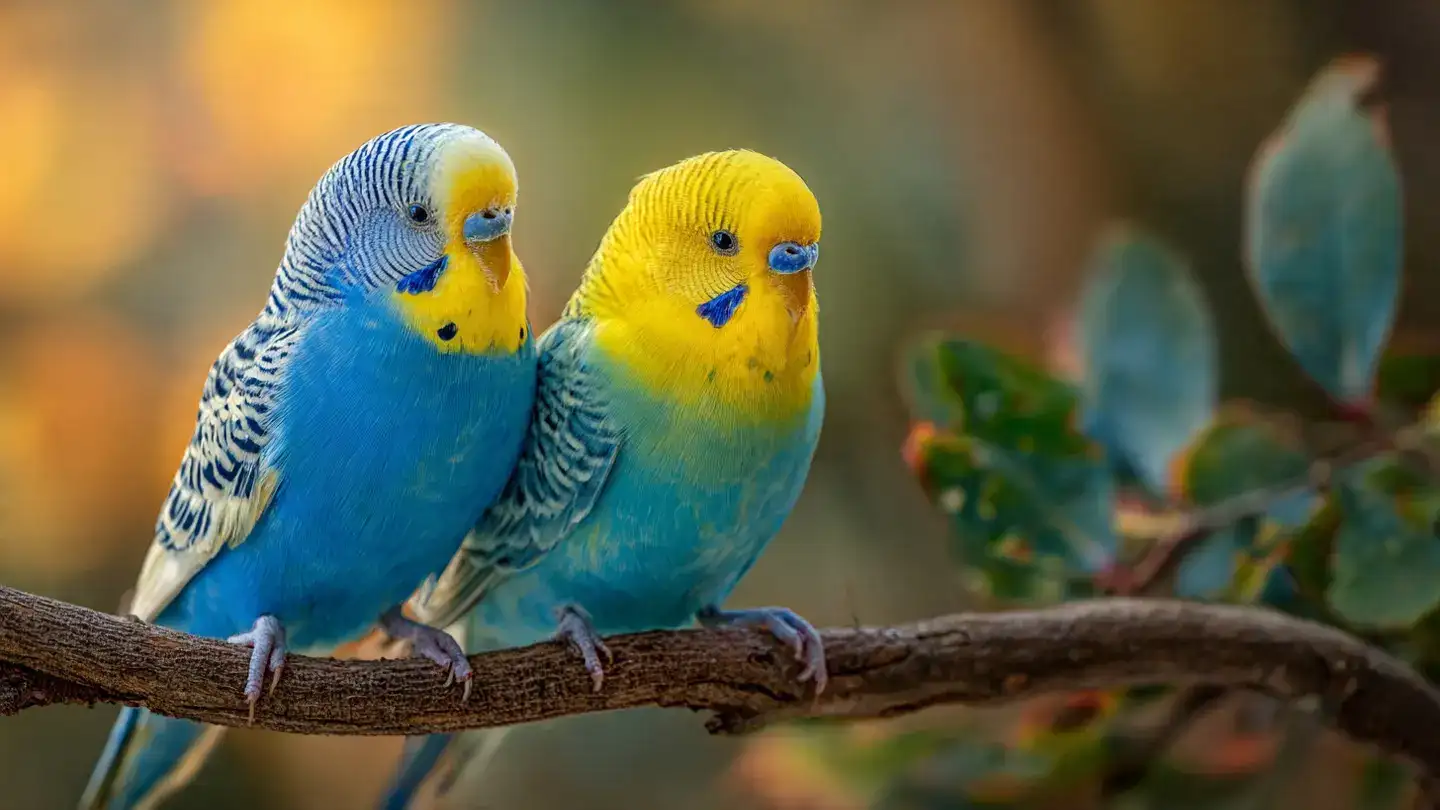
Observing your bird’s body language, vocalisations, and responses to different situations helps you identify its comfort levels. For instance, relaxed feathers and soft chirping often indicate contentment, while fluffed feathers or sudden silence may suggest stress or discomfort. Recognising these signals allows you to respond appropriately and build trust gradually.
Simple activities such as talking softly, sitting near the cage, or offering treats by hand can make a significant difference. Even short but regular sessions are more effective than occasional long interactions. Over time, your bird begins to associate your presence with safety and positive experiences, which is essential for bird trust building .
Introducing bird enrichment ideas such as toys, perches, and foraging opportunities also encourages natural behaviour. When birds are mentally stimulated, they are more receptive to interaction and less prone to stress or boredom. A well enriched environment supports both physical and emotional wellbeing.
For example, if your bird steps onto your hand willingly, offering a small reward reinforces that behaviour. Over time, these positive associations help reduce fear and build confidence. It is important to remain patient and avoid forcing interaction, as this can damage trust and slow progress.
Your presence alone can be reassuring. Sitting near your bird while reading or working allows it to observe you without pressure. This passive interaction is just as valuable as direct engagement and contributes significantly to avian bonding.
Start by offering your hand near the bird without sudden movements. Gradually encourage stepping up using gentle cues and rewards. Over time, this can lead to more interactive activities such as playtime outside the cage. Respecting boundaries is key to successful bird trust building.
Birds thrive on predictability, and regular interaction helps them feel secure and valued. These routines also make it easier to monitor your bird’s health and behaviour, allowing you to respond quickly to any changes.
It is essential to respect your bird’s limits and avoid overwhelming it with too much interaction too soon. Building a strong bond requires patience and attentiveness rather than force or urgency. Understanding this balance ensures that your efforts lead to genuine trust and companionship.
Developing a deep bond with your bird through daily interaction is a rewarding journey that enhances both your life and your bird’s wellbeing. Through consistent effort, thoughtful engagement, and a focus on trust, you can create a lasting connection that goes far beyond basic pet care. Over time, these daily moments of interaction transform into a meaningful relationship built on mutual understanding and companionship.
Image Courtesy: Meta AI
Understanding Your Bird’s Behaviour And Personality
Every bird has a unique personality shaped by its species, upbringing, and environment. Some birds are naturally more social and curious, while others may be cautious or reserved. Understanding these behavioural traits is the first step towards effective pet bird bonding .Observing your bird’s body language, vocalisations, and responses to different situations helps you identify its comfort levels. For instance, relaxed feathers and soft chirping often indicate contentment, while fluffed feathers or sudden silence may suggest stress or discomfort. Recognising these signals allows you to respond appropriately and build trust gradually.
The Importance Of Consistent Daily Interaction
Consistency is at the heart of bird daily interaction . Birds rely on predictable routines to feel safe and secure. Spending dedicated time with your bird each day helps establish familiarity and strengthens avian bonding over time.Simple activities such as talking softly, sitting near the cage, or offering treats by hand can make a significant difference. Even short but regular sessions are more effective than occasional long interactions. Over time, your bird begins to associate your presence with safety and positive experiences, which is essential for bird trust building .
Creating A Safe And Comfortable Environment
A secure and stimulating environment is fundamental to building trust. Birds are more likely to engage and interact when they feel safe in their surroundings. Ensuring proper cage placement, avoiding sudden loud noises, and maintaining a clean habitat contribute to this sense of security.Introducing bird enrichment ideas such as toys, perches, and foraging opportunities also encourages natural behaviour. When birds are mentally stimulated, they are more receptive to interaction and less prone to stress or boredom. A well enriched environment supports both physical and emotional wellbeing.
Using Positive Reinforcement To Build Trust
Positive reinforcement is one of the most effective parrot care tips for strengthening your relationship with your bird. Rewarding desired behaviour with treats, praise, or gentle attention encourages your bird to repeat those actions.For example, if your bird steps onto your hand willingly, offering a small reward reinforces that behaviour. Over time, these positive associations help reduce fear and build confidence. It is important to remain patient and avoid forcing interaction, as this can damage trust and slow progress.
Communicating Through Voice And Presence
Birds are highly responsive to sound and tone. Speaking to your bird regularly in a calm and friendly voice helps establish familiarity and comfort. Repetition of simple words or phrases can also encourage vocal interaction, particularly in species known for mimicry.Your presence alone can be reassuring. Sitting near your bird while reading or working allows it to observe you without pressure. This passive interaction is just as valuable as direct engagement and contributes significantly to avian bonding.
Encouraging Physical Interaction Gradually
Physical interaction should always be introduced slowly and respectfully. Forcing contact can create fear and resistance, whereas allowing the bird to approach at its own pace fosters trust.Start by offering your hand near the bird without sudden movements. Gradually encourage stepping up using gentle cues and rewards. Over time, this can lead to more interactive activities such as playtime outside the cage. Respecting boundaries is key to successful bird trust building.
Making Interaction Part Of Daily Routine
Integrating interaction into your daily routine ensures consistency and reliability. Feeding times, cleaning schedules, and play sessions can all become opportunities for bonding.Birds thrive on predictability, and regular interaction helps them feel secure and valued. These routines also make it easier to monitor your bird’s health and behaviour, allowing you to respond quickly to any changes.
Avoiding Common Mistakes That Affect Bonding
While enthusiasm is important, certain mistakes can hinder the bonding process. Overhandling, inconsistent routines, or ignoring signs of stress can negatively impact your relationship with your bird.It is essential to respect your bird’s limits and avoid overwhelming it with too much interaction too soon. Building a strong bond requires patience and attentiveness rather than force or urgency. Understanding this balance ensures that your efforts lead to genuine trust and companionship.
Developing a deep bond with your bird through daily interaction is a rewarding journey that enhances both your life and your bird’s wellbeing. Through consistent effort, thoughtful engagement, and a focus on trust, you can create a lasting connection that goes far beyond basic pet care. Over time, these daily moments of interaction transform into a meaningful relationship built on mutual understanding and companionship.
Image Courtesy: Meta AI
Next Story