
How to Build an Emergency Fund Without Feeling the Pinch

Life is full of surprises. A sudden medical expense, car repair, or job change can put unexpected pressure on your finances. This is where an emergency fund becomes essential. It acts as a financial safety net that helps you manage unexpected situations without relying on loans or credit cards.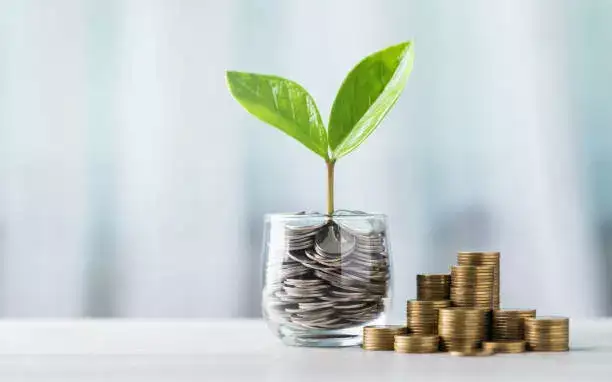
The good news is that building an emergency fund does not have to feel overwhelming. With small and consistent steps, you can grow your savings without affecting your daily lifestyle too much.
Start with a Small, Realistic Goal
Many people delay saving because they think they need to put aside a large amount immediately. Instead of aiming for a big target right away, start with a small and achievable goal. Even saving a modest amount every month can slowly build a strong financial cushion over time.
Save a Fixed Amount Regularly
Consistency matters more than the amount you save. Setting aside a fixed amount from your income each month can help build the habit of saving. Treat it like a necessary expense, just like rent or utility bills. Over time, these regular contributions can grow into a meaningful emergency fund.
Automate Your Savings
One of the easiest ways to save without thinking about it is to automate the process. Setting up an automatic transfer from your salary account to a savings account ensures that money is saved before you get the chance to spend it. This simple step can make saving effortless.
Cut Back on Small Unnecessary Expenses
You do not need to make drastic lifestyle changes to build an emergency fund. Instead, focus on reducing small and unnecessary expenses. For example, limiting impulse purchases, eating out less often, or cancelling unused subscriptions can free up extra money that can go directly into your savings.
Use Windfalls Wisely
Unexpected income such as bonuses, tax refunds, or gifts can be a great opportunity to strengthen your emergency fund. Instead of spending all of it, consider saving a portion to boost your financial security.
Keep the Fund Separate
It is helpful to keep your emergency savings in a separate account so that it is not mixed with everyday spending money. This reduces the temptation to use it for non emergency expenses and keeps the fund reserved for genuine financial emergencies.
Increase Savings Gradually
As your income grows or expenses decrease, consider increasing the amount you save each month. Even a small increase can significantly improve your emergency fund over time.
Stay Patient and Consistent
Building an emergency fund is a gradual process. The key is to remain patient and consistent with your savings habits. Over time, the fund will grow and provide peace of mind during uncertain situations.
Financial Security Starts with Preparation
An emergency fund is one of the most important steps toward financial stability. By saving small amounts regularly and making mindful spending choices, you can build a reliable safety net without feeling the strain on your daily budget. The effort you invest today can protect you from financial stress in the future.
The good news is that building an emergency fund does not have to feel overwhelming. With small and consistent steps, you can grow your savings without affecting your daily lifestyle too much.
Start with a Small, Realistic Goal
Many people delay saving because they think they need to put aside a large amount immediately. Instead of aiming for a big target right away, start with a small and achievable goal. Even saving a modest amount every month can slowly build a strong financial cushion over time.Save a Fixed Amount Regularly
Consistency matters more than the amount you save. Setting aside a fixed amount from your income each month can help build the habit of saving. Treat it like a necessary expense, just like rent or utility bills. Over time, these regular contributions can grow into a meaningful emergency fund. Automate Your Savings
One of the easiest ways to save without thinking about it is to automate the process. Setting up an automatic transfer from your salary account to a savings account ensures that money is saved before you get the chance to spend it. This simple step can make saving effortless.You may also like
- नींबू के साथ इन खाद्य पदार्थों का सेवन न करें: जानें क्यों
- Navigating Conflicts on Instagram: A Guide to Staying Safe
- Essential Tips for Securing Your Facebook Account
- Viral Video Highlights Women's Safety Concerns on Public Transport
- One Shift, ₹55,210 in Fines: How a Mumbai Ticket Inspector Turned a Regular Workday Into a Viral Moment
Cut Back on Small Unnecessary Expenses
You do not need to make drastic lifestyle changes to build an emergency fund. Instead, focus on reducing small and unnecessary expenses. For example, limiting impulse purchases, eating out less often, or cancelling unused subscriptions can free up extra money that can go directly into your savings. Use Windfalls Wisely
Unexpected income such as bonuses, tax refunds, or gifts can be a great opportunity to strengthen your emergency fund. Instead of spending all of it, consider saving a portion to boost your financial security. Keep the Fund Separate
It is helpful to keep your emergency savings in a separate account so that it is not mixed with everyday spending money. This reduces the temptation to use it for non emergency expenses and keeps the fund reserved for genuine financial emergencies. Increase Savings Gradually
As your income grows or expenses decrease, consider increasing the amount you save each month. Even a small increase can significantly improve your emergency fund over time.Stay Patient and Consistent
Building an emergency fund is a gradual process. The key is to remain patient and consistent with your savings habits. Over time, the fund will grow and provide peace of mind during uncertain situations. Financial Security Starts with Preparation
An emergency fund is one of the most important steps toward financial stability. By saving small amounts regularly and making mindful spending choices, you can build a reliable safety net without feeling the strain on your daily budget. The effort you invest today can protect you from financial stress in the future. 





More from our partners


Loving Newspoint? Download the app now
