
How To Calm A Stressed Or Anxious Cat Using Simple Home Comfort Techniques

Cats are creatures of habit, and even minor disruptions in their environment can leave them feeling unsettled. A new visitor, loud sounds, travel, another pet, or even a shifted furniture layout can trigger stress in sensitive felines. While some cats show their discomfort openly through hiding, hissing or overgrooming, others become unusually silent or withdrawn. The good news is that calming an anxious cat usually does not require dramatic changes. Gentle routines, a sense of control and a secure environment can make a meaningful difference. By understanding what your cat needs emotionally, you can help restore confidence and create a home atmosphere where they feel safe, relaxed and more trusting every day.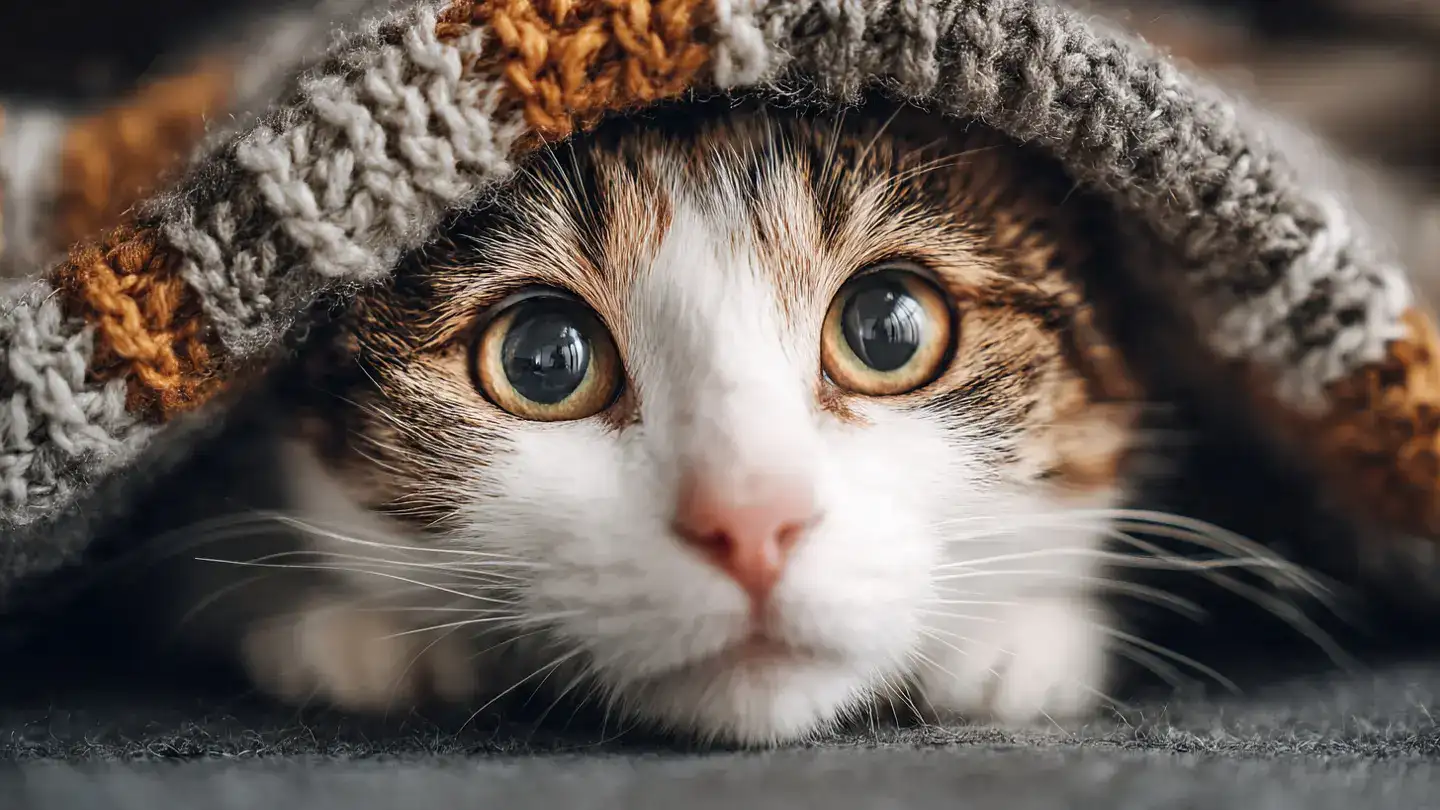
Place this safe zone away from noisy appliances, children’s play areas and frequent foot traffic. Let the cat choose when to enter or leave. Avoid pulling them out, as forced interaction can increase fear. When they know they have a reliable hiding place, their sense of security improves significantly.
Predictability reduces uncertainty, which is often the root of feline stress. Even simple habits such as greeting your cat in the same calm tone each morning or serving meals in the same location can create reassurance. For nervous cats, consistency helps rebuild trust in their surroundings.
Short play sessions once or twice daily not only provide exercise but also help release built-up tension. After play, many cats naturally settle down to groom or nap, which supports a calmer mood. Choose toys that encourage chasing and stalking without overwhelming them.
If the trigger is noise, lower the sound levels and keep their resting area undisturbed. If another pet is causing tension, create separate feeding and sleeping zones. Window views can also help some cats feel mentally stimulated, though others may become stressed by outdoor animals. Watch their reactions and adjust the environment accordingly.
Avoid frequently washing all their bedding at once, as removing familiar smells may make them uneasy. Instead, rotate items gradually. You can also leave an item with your scent near their resting spot if they are bonded to you, which may offer additional reassurance.
Allow them to approach on their own terms. Sit nearby quietly, speak softly and avoid direct staring, which some cats interpret as intimidation. Slow blinking and calm body language can help communicate safety. Building trust this way is often far more effective than forced affection.
Pain, digestive discomfort or age-related changes can sometimes appear as behavioural stress. If symptoms continue for several days, consulting a veterinarian is important to rule out medical causes and discuss behaviour support options.
Helping a stressed cat feel calm is ultimately about creating safety, predictability and choice. Small daily habits often have a bigger impact than quick fixes. With quiet spaces, gentle play, familiar scents and respect for their boundaries, most cats gradually regain confidence. The goal is not to force them into sociability but to help them feel secure enough to relax in their own way. Over time, these simple steps can strengthen trust and create a peaceful bond that supports both your cat’s emotional wellbeing and your relationship with them.
Image Courtesy: Meta AI
Create A Quiet Safe Space
The first step in calming a stressed cat is giving them a secure retreat. Cats naturally look for enclosed, quiet spots when they feel overwhelmed. A cosy corner with a soft bed, a cardboard box, or a covered cat cave can help them decompress.Place this safe zone away from noisy appliances, children’s play areas and frequent foot traffic. Let the cat choose when to enter or leave. Avoid pulling them out, as forced interaction can increase fear. When they know they have a reliable hiding place, their sense of security improves significantly.
Keep Daily Routines Predictable
Routine is one of the strongest tools for reducing cat anxiety . Feeding times, play sessions, litter cleaning and sleep cycles should happen at roughly the same time every day.Predictability reduces uncertainty, which is often the root of feline stress. Even simple habits such as greeting your cat in the same calm tone each morning or serving meals in the same location can create reassurance. For nervous cats, consistency helps rebuild trust in their surroundings.
Use Gentle Play To Release Tension
Interactive play is a healthy way to redirect anxious energy. Wand toys, feather teasers and rolling balls can help cats express their hunting instincts in a positive way.Short play sessions once or twice daily not only provide exercise but also help release built-up tension. After play, many cats naturally settle down to groom or nap, which supports a calmer mood. Choose toys that encourage chasing and stalking without overwhelming them.
Reduce Environmental Triggers
Many cats become stressed due to external triggers such as loud television volume, vacuum cleaners, unfamiliar guests or conflict with other pets. Identifying the cause is essential.If the trigger is noise, lower the sound levels and keep their resting area undisturbed. If another pet is causing tension, create separate feeding and sleeping zones. Window views can also help some cats feel mentally stimulated, though others may become stressed by outdoor animals. Watch their reactions and adjust the environment accordingly.
You may also like
- Pancreatic Cancer Causes: Pancreatic cancer is a silent killer! Recognize these signs of jaundice and changes in digestion early.
- Fruits To Avoid During Periods: Women should not eat these fruits during periods, as they can cause major problems.
- Eye drops side effects: Do you use eye drops without consulting a doctor? It can lead to loss of vision.
- Health Tests In Your 30s: These diseases can develop in your body after you cross the age of 30; don't forget to avoid these tests.
- Circus to concerts: 6 exciting events in Hyderabad this weekend
Comfort Through Familiar Scents
Cats rely heavily on scent for comfort and recognition. Familiar blankets, bedding and toys can help them feel grounded during stressful situations such as moving homes or travelling.Avoid frequently washing all their bedding at once, as removing familiar smells may make them uneasy. Instead, rotate items gradually. You can also leave an item with your scent near their resting spot if they are bonded to you, which may offer additional reassurance.
Respect Their Boundaries
An anxious cat needs patience more than attention. While it is tempting to cuddle or constantly check on them, too much handling can feel threatening.Allow them to approach on their own terms. Sit nearby quietly, speak softly and avoid direct staring, which some cats interpret as intimidation. Slow blinking and calm body language can help communicate safety. Building trust this way is often far more effective than forced affection.
Watch For Signs That Need Veterinary Advice
Although occasional stress is common, persistent anxiety may point to an underlying health issue. Sudden aggression, appetite loss, excessive grooming, litter box avoidance or long periods of hiding should not be ignored.Pain, digestive discomfort or age-related changes can sometimes appear as behavioural stress. If symptoms continue for several days, consulting a veterinarian is important to rule out medical causes and discuss behaviour support options.
Helping a stressed cat feel calm is ultimately about creating safety, predictability and choice. Small daily habits often have a bigger impact than quick fixes. With quiet spaces, gentle play, familiar scents and respect for their boundaries, most cats gradually regain confidence. The goal is not to force them into sociability but to help them feel secure enough to relax in their own way. Over time, these simple steps can strengthen trust and create a peaceful bond that supports both your cat’s emotional wellbeing and your relationship with them.
Image Courtesy: Meta AI






More from our partners


Loving Newspoint? Download the app now
