
How To Check Adulterated Bread At Home And Protect Your Family From Hidden Health Risks

Is Your Bread Safe To Eat Learn Easy Methods To Detect Adulteration At Home: Bread is a staple in many households, often consumed without a second thought about its quality or safety. From quick breakfasts to evening snacks, it is a convenient and widely loved food item. However, with rising concerns around food adulteration, even something as basic as bread may not always be as safe as it appears. Harmful additives, poor-quality ingredients, and improper processing can compromise its nutritional value and safety. Understanding how to check adulterated bread is essential to protect your health and make informed food choices.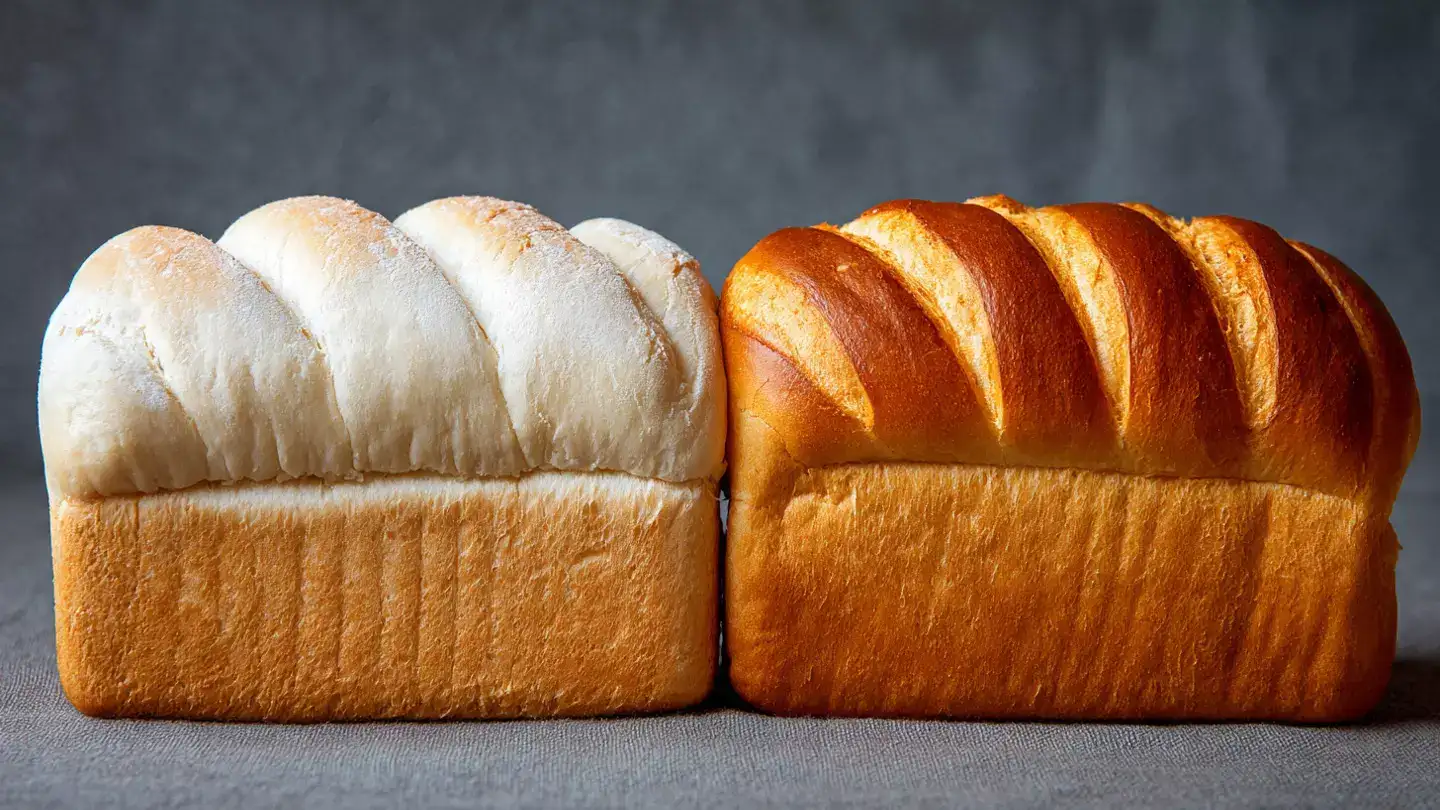
While some additives are permitted within limits, excessive use can lead to health concerns such as digestive issues, allergies, or long-term complications. This makes it important for consumers to be aware of bread safety tips and develop the habit of checking what they consume daily.
If the bread appears unusually white, it may have been treated with bleaching agents. Similarly, extremely soft bread that feels artificially spongy could indicate the use of chemical softeners.
Watch out for uneven colouring, black or green spots, or visible fungal growth. These are clear signs that the bread is not safe for consumption. Even slight discolouration should not be ignored, as it could indicate contamination.
Taste is another indicator. Bread should have a neutral, slightly yeasty flavour. Any bitterness, sourness (when not expected), or unusual aftertaste could signal adulteration or spoilage.
It is always better to discard bread that smells or tastes unusual rather than risk consuming harmful substances.
Another method is the water test. Drop a small piece of bread into a bowl of water. Pure bread tends to dissolve gradually, while adulterated bread may leave behind residues or behave unnaturally due to added chemicals.
You can also check for excessive moisture. Bread that feels damp or unusually heavy could be improperly stored or chemically treated to appear fresh.
Avoid products with long lists of unfamiliar chemicals or artificial preservatives. While some preservatives are necessary, excessive use can be harmful.
Also, check the manufacturing and expiry dates carefully. Bread with an unusually long shelf life may contain higher levels of preservatives. Always choose freshly baked options whenever possible.
Refrigeration can extend shelf life but may alter texture. If storing for longer periods, freezing is a better option. Ensure the bread is sealed properly to prevent contamination.
Never consume bread that shows signs of mould, even if only a small portion is affected. Fungal growth can spread beyond visible areas and pose serious health risks.
By paying attention to visual cues, smell, taste, and packaging, you can significantly reduce the risk of consuming adulterated products. These small habits go a long way in ensuring your family’s well-being.
Choosing trusted brands, buying from reliable sources, and staying informed about food safety practices are equally important. When it comes to everyday foods like bread, even minor negligence can impact health over time.
Making conscious decisions about what you eat is not just a trend but a necessity. With simple checks and awareness, you can ensure that the bread on your table is safe, nutritious, and free from harmful adulteration.
Image Courtesy: Meta AI
Why Bread Adulteration Is A Growing Concern
Food adulteration is no longer limited to spices or milk. Bread, too, can sometimes contain low-quality flour, excessive preservatives, bleaching agents, or artificial softeners. These substances are often added to enhance shelf life, appearance, or texture.While some additives are permitted within limits, excessive use can lead to health concerns such as digestive issues, allergies, or long-term complications. This makes it important for consumers to be aware of bread safety tips and develop the habit of checking what they consume daily.
Visual Signs To Identify Adulterated Bread
The first step in detecting adulterated bread begins with careful observation. Fresh and good-quality bread should have a uniform colour and soft texture.If the bread appears unusually white, it may have been treated with bleaching agents. Similarly, extremely soft bread that feels artificially spongy could indicate the use of chemical softeners.
Watch out for uneven colouring, black or green spots, or visible fungal growth. These are clear signs that the bread is not safe for consumption. Even slight discolouration should not be ignored, as it could indicate contamination.
Smell And Taste As Natural Indicators
Your senses are powerful tools when checking bread quality. Fresh bread typically has a mild, pleasant aroma. If you notice a strong chemical smell or an overly sweet scent, it may suggest the presence of artificial additives.Taste is another indicator. Bread should have a neutral, slightly yeasty flavour. Any bitterness, sourness (when not expected), or unusual aftertaste could signal adulteration or spoilage.
It is always better to discard bread that smells or tastes unusual rather than risk consuming harmful substances.
Simple Home Tests To Check Bread Purity
There are a few easy methods you can try at home to detect fake bread or adulteration. One simple test involves pressing the bread slice gently. Fresh bread should bounce back quickly. If it remains compressed or feels overly sticky, it may contain artificial softeners.Another method is the water test. Drop a small piece of bread into a bowl of water. Pure bread tends to dissolve gradually, while adulterated bread may leave behind residues or behave unnaturally due to added chemicals.
You can also check for excessive moisture. Bread that feels damp or unusually heavy could be improperly stored or chemically treated to appear fresh.
Check The Ingredients And Packaging
Reading labels is one of the most reliable ways to ensure safe bread consumption . Look for a short and clear ingredient list. Bread made with basic ingredients such as flour, water, yeast, and salt is generally safer.Avoid products with long lists of unfamiliar chemicals or artificial preservatives. While some preservatives are necessary, excessive use can be harmful.
Also, check the manufacturing and expiry dates carefully. Bread with an unusually long shelf life may contain higher levels of preservatives. Always choose freshly baked options whenever possible.
Storage Practices That Help Maintain Bread Safety
Even good-quality bread can become unsafe if not stored properly. Always keep bread in a cool, dry place and avoid exposing it to moisture.Refrigeration can extend shelf life but may alter texture. If storing for longer periods, freezing is a better option. Ensure the bread is sealed properly to prevent contamination.
Never consume bread that shows signs of mould, even if only a small portion is affected. Fungal growth can spread beyond visible areas and pose serious health risks.
Why Being Aware Matters More Than Ever
In today’s fast-paced lifestyle, convenience often takes priority over caution. However, ignoring food quality can have long-term consequences. Developing awareness about food adulteration in bread empowers you to make healthier choices.By paying attention to visual cues, smell, taste, and packaging, you can significantly reduce the risk of consuming adulterated products. These small habits go a long way in ensuring your family’s well-being.
Choosing trusted brands, buying from reliable sources, and staying informed about food safety practices are equally important. When it comes to everyday foods like bread, even minor negligence can impact health over time.
Making conscious decisions about what you eat is not just a trend but a necessity. With simple checks and awareness, you can ensure that the bread on your table is safe, nutritious, and free from harmful adulteration.
Image Courtesy: Meta AI
Next Story