
How To Check Adulterated Sugar At Home With Simple Tests To Protect Your Family’s Health

How To Detect Adulterated Sugar Quickly And Safeguard Your Daily Diet From Impurities: Sugar is one of the most commonly used ingredients in Indian households. From tea and coffee to desserts and traditional sweets, it forms an essential part of daily cooking. However, concerns around food adulteration have made many consumers cautious about the quality of basic kitchen staples. Sugar, like other food products, can sometimes be mixed with impurities to increase weight or improve appearance. Understanding how to check adulterated sugar at home is an important step towards ensuring food safety and protecting your family’s health. With simple observation techniques and basic kitchen tests, it is possible to detect impure sugar and make informed choices.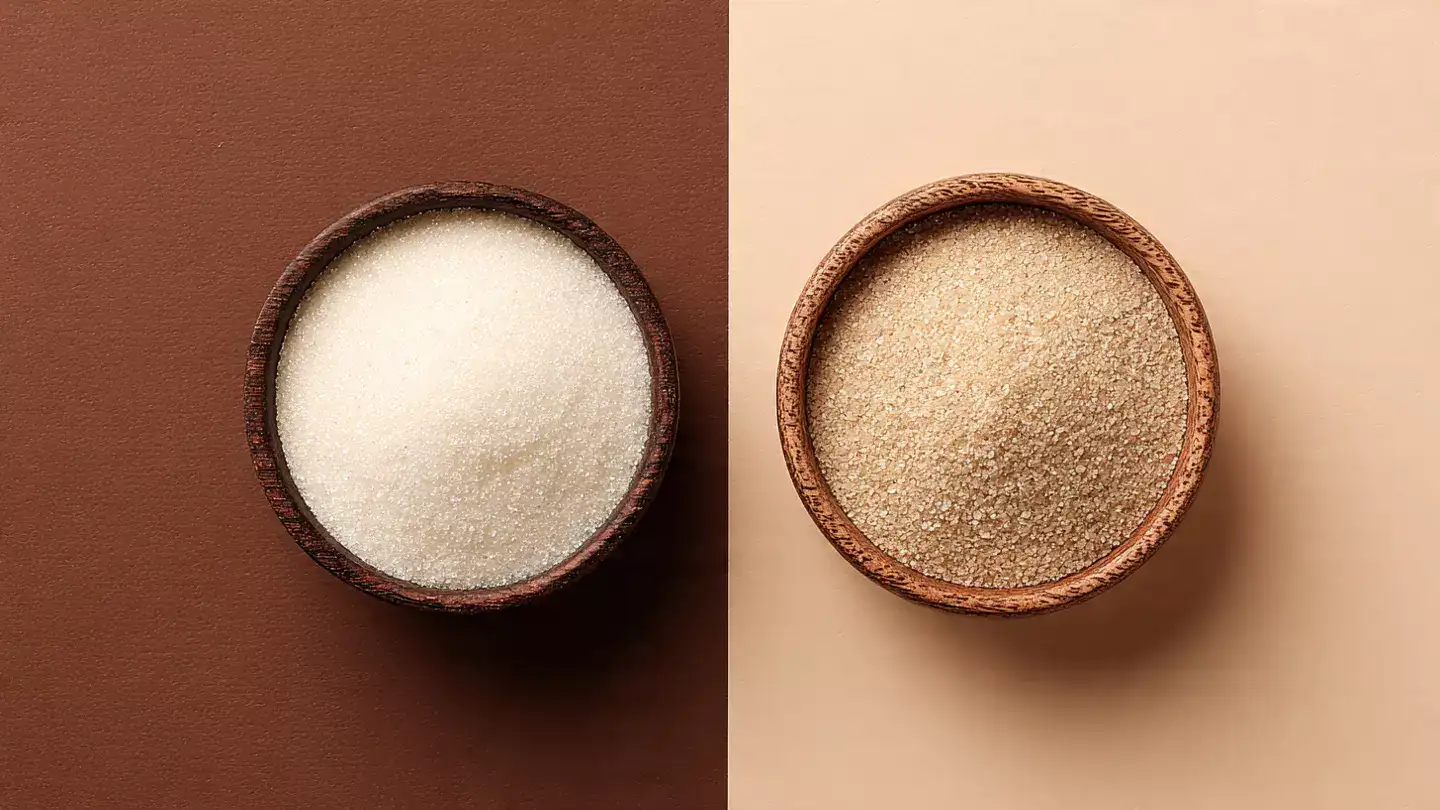
While regulatory authorities monitor food quality standards, consumers also benefit from food adulteration awareness . Being informed about simple sugar adulteration test methods can prevent accidental consumption of contaminated products. Adulterated sugar not only affects taste but may also cause digestive discomfort and other health issues over time.
Rubbing sugar between your fingers can also provide clues. Pure sugar feels smooth and dry, while adulterated sugar mixed with chalk powder may leave a white residue on the skin. Though this method is not conclusive, it is a helpful preliminary check before performing further tests.
Pure sugar dissolves completely in water without leaving any sediment. If you notice particles settling at the bottom, it may suggest the presence of sand or other insoluble impurities. This is an easy and reliable sugar adulteration test that can be performed within minutes.
Additionally, if the water appears cloudy instead of clear after dissolving, it may indicate adulteration. However, ensure that the glass and water used are clean to avoid misleading results.
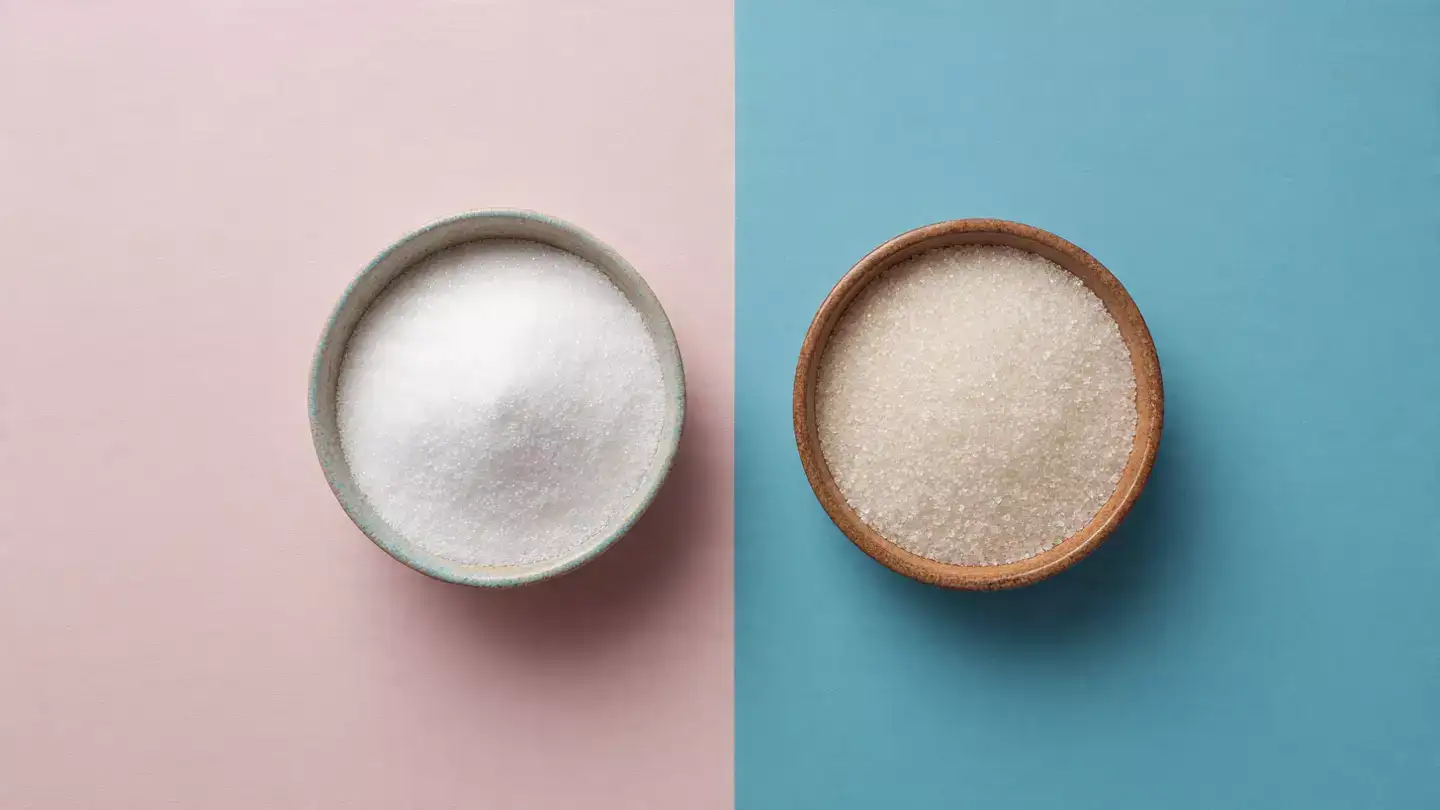
If you observe bubbling or fizzing, it may indicate the presence of chalk powder, as it reacts with acids to release carbon dioxide. Pure sugar does not produce such a reaction. This test provides a clearer indication compared to visual inspection alone.
If the sugar emits a strong chemical smell or leaves behind significant residue after burning, it may contain impurities. This method should be done carefully and only in a well ventilated space. While not always necessary, it can help confirm doubts raised during other tests.
Proper storage is equally important. Store sugar in an airtight container to prevent contamination from dust and pests. Keep it in a dry area away from direct sunlight. Moisture can cause clumping, which may sometimes be mistaken for adulteration.
Practising food adulteration awareness also means staying informed about safety alerts issued by authorities. Although home tests are helpful, they do not replace laboratory analysis. If you suspect severe contamination, it is advisable to avoid consumption and report concerns to appropriate authorities.
In households where sugar is used daily, especially in beverages and sweets prepared for children and elderly family members, ensuring purity becomes even more important. By following easy home food safety tips and remaining alert, families can protect themselves from potential health risks associated with adulteration.
Understanding how to detect impure sugar does not require specialised knowledge. With careful observation and a few straightforward methods, anyone can verify quality at home. Awareness, combined with responsible purchasing habits, ensures that this everyday ingredient remains safe and suitable for consumption.
Image Courtesy: Meta AI
Why Sugar Adulteration Happens
Food adulteration occurs when inferior or harmful substances are added to food items to increase profit margins. In the case of sugar, common concerns include the presence of chalk powder, washing soda or fine white sand. These substances may resemble sugar crystals in colour and texture, making it difficult to identify them at first glance.While regulatory authorities monitor food quality standards, consumers also benefit from food adulteration awareness . Being informed about simple sugar adulteration test methods can prevent accidental consumption of contaminated products. Adulterated sugar not only affects taste but may also cause digestive discomfort and other health issues over time.
Visual Inspection At Home
The first step in pure sugar identification is careful observation. Pour a small quantity of sugar onto a clean plate and examine it under good lighting. Pure sugar crystals are usually uniform in size and clear or slightly translucent. If you notice powdery residue, unusually fine particles or inconsistent granules, it may indicate the presence of impurities.Rubbing sugar between your fingers can also provide clues. Pure sugar feels smooth and dry, while adulterated sugar mixed with chalk powder may leave a white residue on the skin. Though this method is not conclusive, it is a helpful preliminary check before performing further tests.
Water Dissolution Test
One of the simplest home food safety tips involves the water dissolution method. Take a transparent glass of water and add a spoonful of sugar. Stir gently and observe the solution.Pure sugar dissolves completely in water without leaving any sediment. If you notice particles settling at the bottom, it may suggest the presence of sand or other insoluble impurities. This is an easy and reliable sugar adulteration test that can be performed within minutes.
Additionally, if the water appears cloudy instead of clear after dissolving, it may indicate adulteration. However, ensure that the glass and water used are clean to avoid misleading results.
Checking For Chalk Powder
Chalk powder is sometimes used to increase the weight of sugar. To detect impure sugar containing chalk, you can perform a simple test using vinegar or lemon juice. Place a small amount of sugar in a bowl and add a few drops of lemon juice or vinegar.If you observe bubbling or fizzing, it may indicate the presence of chalk powder, as it reacts with acids to release carbon dioxide. Pure sugar does not produce such a reaction. This test provides a clearer indication compared to visual inspection alone.
Burning Test For Suspicious Samples
Another method to check adulterated sugar involves a cautious burning test. Take a small quantity of sugar in a spoon and heat it carefully over a flame. Pure sugar caramelises and turns brown before melting. It may give off a mild sweet aroma as it heats.If the sugar emits a strong chemical smell or leaves behind significant residue after burning, it may contain impurities. This method should be done carefully and only in a well ventilated space. While not always necessary, it can help confirm doubts raised during other tests.
Buying And Storing Sugar Safely
Preventing adulteration begins with careful purchasing decisions. Choose sugar from reputable brands or trusted local suppliers. Check packaging for quality seals and ensure that the packet is intact without signs of moisture.Proper storage is equally important. Store sugar in an airtight container to prevent contamination from dust and pests. Keep it in a dry area away from direct sunlight. Moisture can cause clumping, which may sometimes be mistaken for adulteration.
Practising food adulteration awareness also means staying informed about safety alerts issued by authorities. Although home tests are helpful, they do not replace laboratory analysis. If you suspect severe contamination, it is advisable to avoid consumption and report concerns to appropriate authorities.
Why Awareness Matters
Food safety begins in the kitchen. Knowing how to check adulterated sugar empowers consumers to make safer choices. Small steps such as visual inspection and simple water tests can significantly reduce the risk of consuming impure products.In households where sugar is used daily, especially in beverages and sweets prepared for children and elderly family members, ensuring purity becomes even more important. By following easy home food safety tips and remaining alert, families can protect themselves from potential health risks associated with adulteration.
Understanding how to detect impure sugar does not require specialised knowledge. With careful observation and a few straightforward methods, anyone can verify quality at home. Awareness, combined with responsible purchasing habits, ensures that this everyday ingredient remains safe and suitable for consumption.
Image Courtesy: Meta AI
Next Story