How To Check Fake Cinnamon & Avoid Harmful Lookalikes In Your Kitchen

How To Check Fake Cinnamon And Avoid Harmful Lookalikes In Your Kitchen: Cinnamon is one of the most commonly used spices in Indian households, valued for its warm flavour and potential health benefits. It is widely added to curries, desserts, teas and traditional remedies. However, many consumers are unaware that what they buy as cinnamon is often a cheaper substitute that looks similar but differs significantly in quality and safety. Identifying fake or inferior cinnamon is important, especially for those who consume it regularly. Understanding how to check fake cinnamon can help you make safer choices and ensure you are using the right spice in your daily cooking.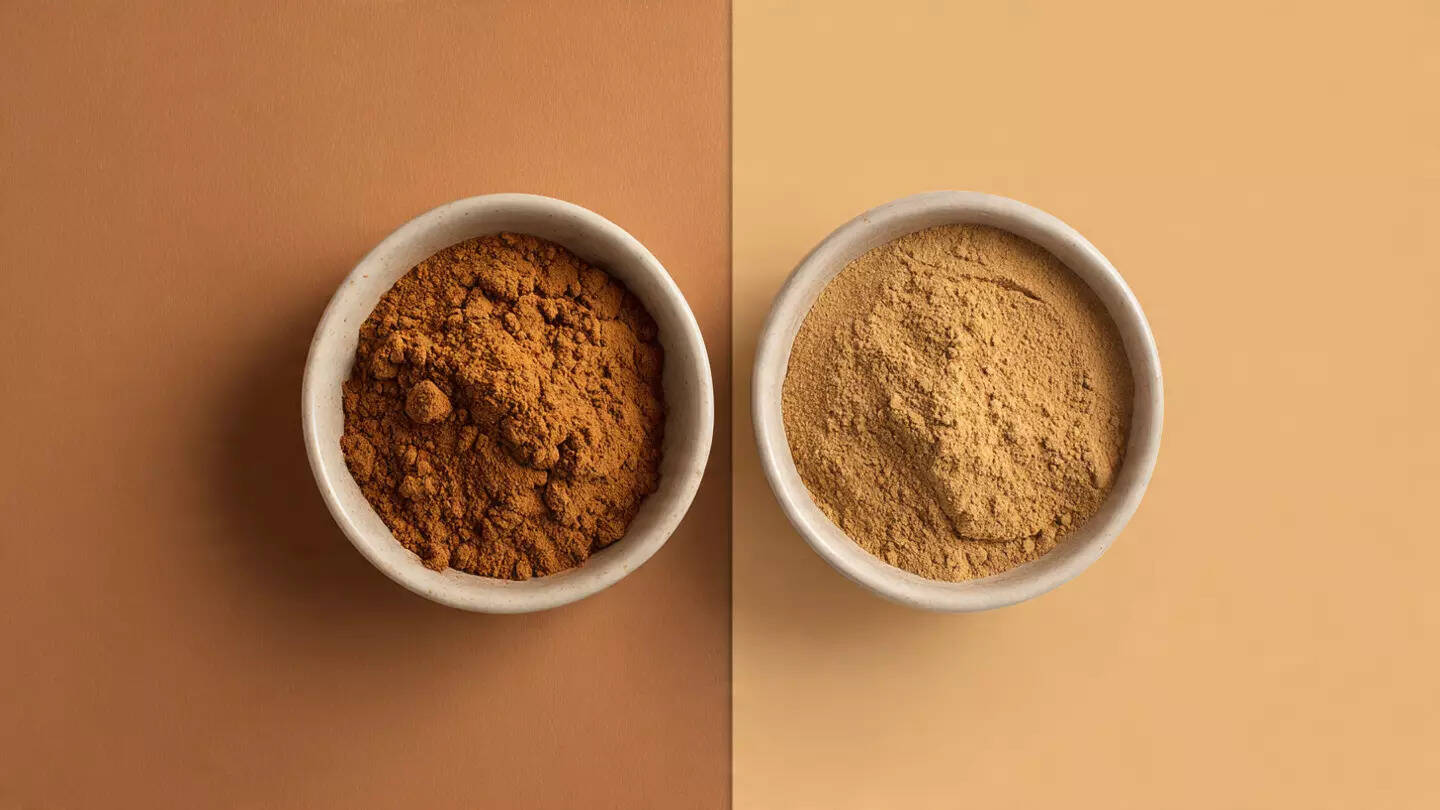
The second is Cassia cinnamon, which is more commonly available and cheaper. It has a darker colour, thicker bark and a stronger, sharper taste. While Cassia is not entirely unsafe in small amounts, it contains higher levels of coumarin, a natural compound that can be harmful to the liver if consumed excessively over time. Many people unknowingly use Cassia while believing it to be true cinnamon.
Cassia sticks, on the other hand, are thick, hard and usually consist of a single rolled layer. They appear woody and are difficult to break without applying force. If the stick looks bulky and rough, it is most likely Cassia rather than true cinnamon.
Cassia cinnamon smells much stronger and spicier, with a sharp punch that can feel almost peppery. If the cinnamon has an intense, burning aroma, it is likely not true cinnamon. Smelling the spice before purchase can help avoid fake or inferior varieties.
Cassia cinnamon has a strong, spicy flavour and may leave a slightly bitter or burning sensation on the tongue. This difference becomes more noticeable when cinnamon is consumed in teas or warm water.
In such cases, checking the label is important. Look for terms like Ceylon cinnamon or true cinnamon on the packaging. If the label only mentions cinnamon without details, it is often Cassia. Buying whole sticks and grinding them at home is a safer option if purity matters.
True cinnamon contains very low levels of coumarin and is considered safer for daily use. This makes learning how to check fake cinnamon particularly important for individuals who consume cinnamon regularly for health-related reasons.
Storing cinnamon properly in an airtight container away from moisture also helps preserve its aroma and flavour. While true cinnamon may cost slightly more, the safety and quality benefits make it a worthwhile choice.
Knowing how to check fake cinnamon empowers consumers to make informed decisions about a spice used almost daily. From visual checks and aroma tests to understanding labels, simple steps can help distinguish true cinnamon from cheaper substitutes. Choosing the right variety not only improves taste but also supports long-term health, making it a small yet meaningful change in everyday cooking habits.
Image Courtesy: Meta AI
Understanding The Two Types Of Cinnamon
To know how to check fake cinnamon, it is essential to understand that there are two main varieties sold in markets. The first is Ceylon cinnamon, often referred to as true cinnamon. It originates mainly from Sri Lanka and is lighter in colour, softer in texture and has a mild, sweet aroma.The second is Cassia cinnamon, which is more commonly available and cheaper. It has a darker colour, thicker bark and a stronger, sharper taste. While Cassia is not entirely unsafe in small amounts, it contains higher levels of coumarin, a natural compound that can be harmful to the liver if consumed excessively over time. Many people unknowingly use Cassia while believing it to be true cinnamon.
Visual Test To Check Fake Cinnamon
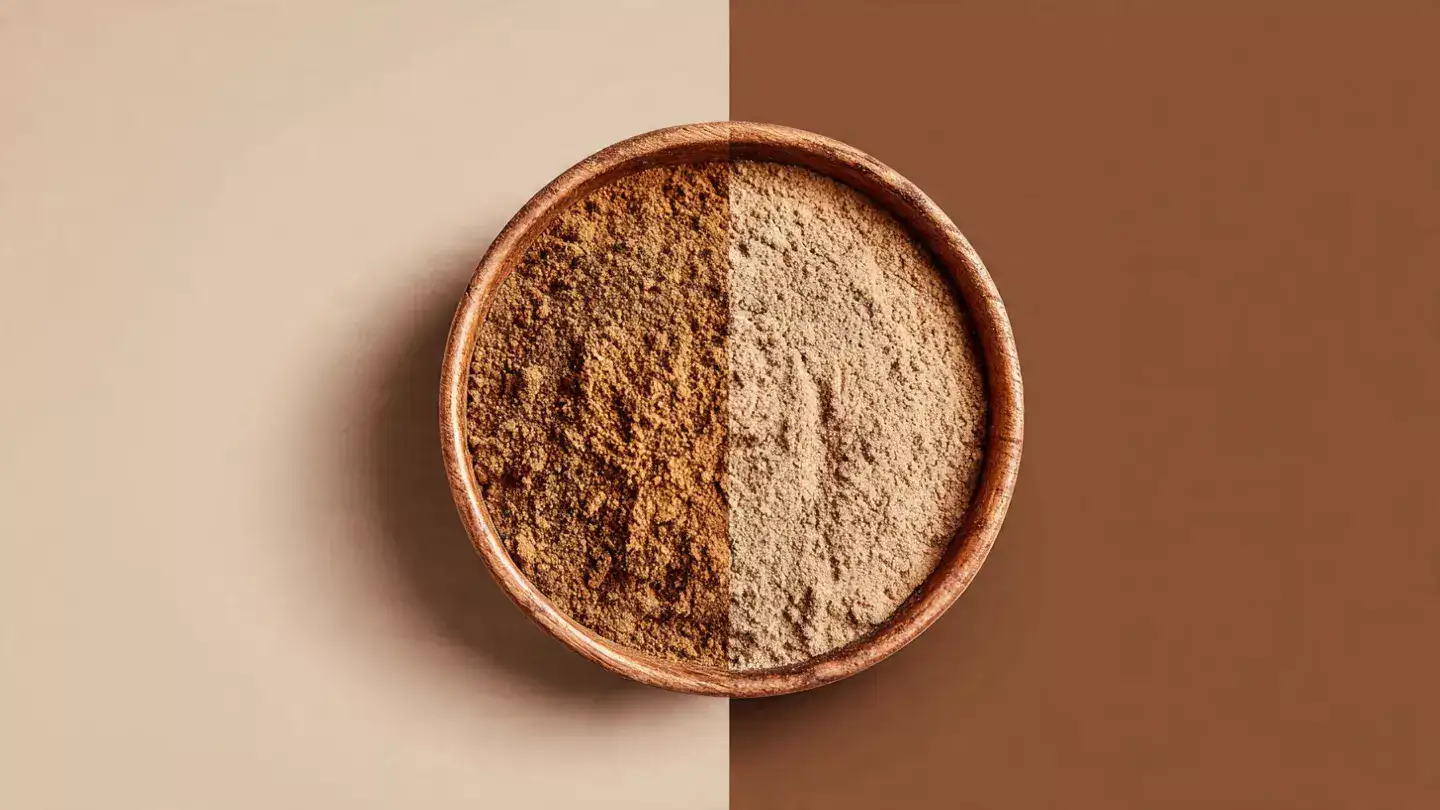
One of the easiest ways to check fake cinnamon is by observing its appearance. True cinnamon sticks are thin and made up of multiple soft layers rolled together, resembling a cigar. They can be easily broken by hand and have a papery texture.Cassia sticks, on the other hand, are thick, hard and usually consist of a single rolled layer. They appear woody and are difficult to break without applying force. If the stick looks bulky and rough, it is most likely Cassia rather than true cinnamon.
Smell And Aroma Test
Aroma is another reliable indicator. True cinnamon has a delicate, sweet and slightly citrusy fragrance that feels warm and pleasant. It does not overpower the senses.Cassia cinnamon smells much stronger and spicier, with a sharp punch that can feel almost peppery. If the cinnamon has an intense, burning aroma, it is likely not true cinnamon. Smelling the spice before purchase can help avoid fake or inferior varieties.
Taste Test For Identification
If you already have cinnamon at home, a small taste test can help. True cinnamon tastes mildly sweet and aromatic without causing irritation. It blends smoothly with food and beverages.Cassia cinnamon has a strong, spicy flavour and may leave a slightly bitter or burning sensation on the tongue. This difference becomes more noticeable when cinnamon is consumed in teas or warm water.
Powdered Cinnamon Needs Extra Caution
Checking fake cinnamon becomes more difficult when it is in powdered form. Powdered Cassia and true cinnamon look almost identical, making visual identification unreliable.You may also like
- Delhi Airport flight cancellations today: 110 flights cancelled, over 200 delayed
- RSS chief Mohan Bhagwat calls bid to rebuild Babri Masjid in West Bengal a 'political conspiracy'
- Christmas and New Year might quietly become the most risky days for your heart, cardiologists warn of hidden holidays danger
- "Conspiracy is being hatched to mislead the country in name of MNREGA": Shivraj Singh Chouhan
- BSF steps up vigil along India-Bangladesh border amid fresh unrest in neighbouring country
In such cases, checking the label is important. Look for terms like Ceylon cinnamon or true cinnamon on the packaging. If the label only mentions cinnamon without details, it is often Cassia. Buying whole sticks and grinding them at home is a safer option if purity matters.
Why Consuming Fake Cinnamon Can Be Risky
Regular consumption of Cassia cinnamon in large quantities can increase coumarin intake. Excessive coumarin exposure has been linked to liver stress and potential toxicity, especially for people with existing liver conditions.True cinnamon contains very low levels of coumarin and is considered safer for daily use. This makes learning how to check fake cinnamon particularly important for individuals who consume cinnamon regularly for health-related reasons.
Tips To Buy Genuine Cinnamon
To avoid fake cinnamon, buy from trusted spice sellers and read product labels carefully. Whole sticks are easier to identify than powdered versions. Choosing lighter-coloured, thin and fragile sticks usually indicates better quality.Storing cinnamon properly in an airtight container away from moisture also helps preserve its aroma and flavour. While true cinnamon may cost slightly more, the safety and quality benefits make it a worthwhile choice.
Knowing how to check fake cinnamon empowers consumers to make informed decisions about a spice used almost daily. From visual checks and aroma tests to understanding labels, simple steps can help distinguish true cinnamon from cheaper substitutes. Choosing the right variety not only improves taste but also supports long-term health, making it a small yet meaningful change in everyday cooking habits.
Image Courtesy: Meta AI






More from our partners


Loving Newspoint? Download the app now
