
How To Check Fake Mustard Oil At Home And Protect Your Family From Hidden Adulteration Risks

Mustard Oil Safety Guide How To Detect Adulteration And Choose Pure Cooking Oil With Confidence: Mustard oil has long been a trusted ingredient in Indian households, valued for its sharp aroma, rich flavour, and perceived health benefits. From frying to pickling, it plays a vital role in everyday cooking. However, with rising demand and fluctuating prices, the market has seen a worrying increase in adulteration. Many consumers unknowingly purchase impure or fake mustard oil, which can compromise both taste and health. Understanding how to identify genuine mustard oil is no longer optional but essential for safe consumption and informed choices in the kitchen.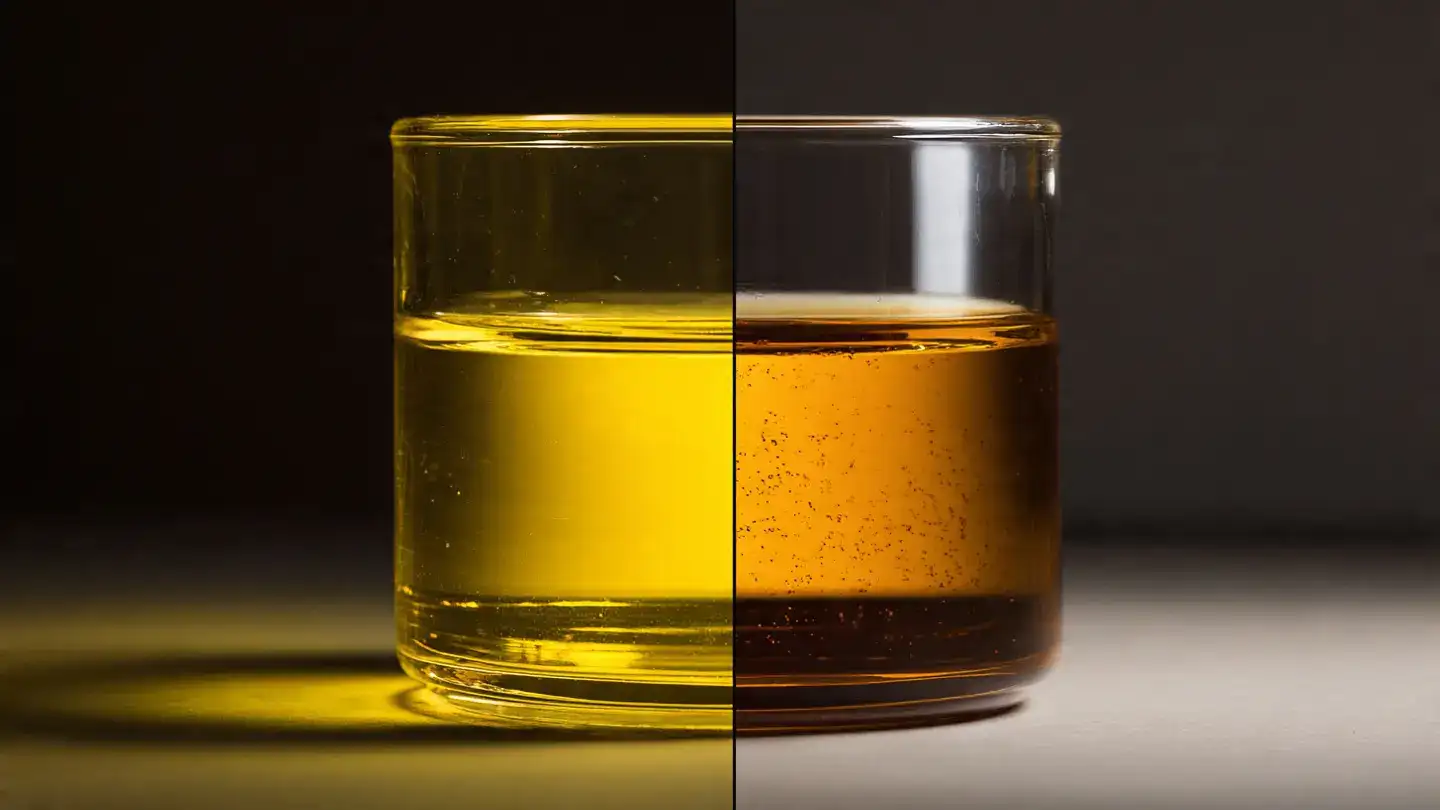
This practice not only dilutes quality but can also pose serious health risks. Long-term consumption of adulterated oil may affect digestion, heart health, and overall wellbeing. That is why knowing how to check fake mustard oil is crucial for every household.
The texture is smooth, and when rubbed between fingers, it should not feel sticky or overly greasy. Fake mustard oil often has a milder smell or an artificial fragrance that feels unnatural. While these signs are helpful, they are not always enough to confirm purity.
The refrigeration test is widely used. Pour a small quantity of mustard oil into a bowl and place it in the refrigerator for a few hours. Pure mustard oil remains clear and does not solidify unevenly. If you notice layers or cloudiness, it may indicate mixing with other oils.
Another useful method is the palm test. Take a few drops of oil and rub it between your palms. Pure mustard oil will retain its strong, pungent smell for a longer time, while adulterated oil may lose its fragrance quickly or smell artificial.
The nitric acid test is also known in basic form, though it should be handled with caution. When mixed with certain chemicals, adulterated oil may show a colour change. However, for household use, simpler visual and smell-based checks are safer and more practical.
Avoid buying loose oil from unverified sources, even if it appears cheaper. Low prices can often be a red flag. Checking the manufacturing and expiry dates is equally important, as stale oil may also lose its natural characteristics.
Children and elderly individuals are particularly vulnerable. What seems like a minor compromise in quality can gradually lead to significant health concerns. Ensuring the purity of cooking oil is therefore not just about taste but about long-term safety.
Check for certifications and avoid unusually low prices. If possible, buy from stores that maintain proper storage conditions. Exposure to sunlight and heat can also affect oil quality over time.
It is also helpful to remain consistent with a brand once you find one that meets quality expectations. Sudden changes in colour, smell, or texture should not be ignored.
A few simple checks can go a long way in preventing health risks and ensuring that your food retains its authentic flavour. As more people become conscious about food quality, the demand for genuine products will naturally encourage better practices in the industry.
Choosing pure mustard oil is not just a preference but a responsibility towards healthier living.
Why Mustard Oil Gets Adulterated
Adulteration in cooking oils often happens to increase profits. In the case of mustard oil, cheaper oils such as palm oil or synthetic substances may be mixed to reduce production costs. Sometimes, harmful chemicals are added to replicate the pungent smell of real mustard oil.This practice not only dilutes quality but can also pose serious health risks. Long-term consumption of adulterated oil may affect digestion, heart health, and overall wellbeing. That is why knowing how to check fake mustard oil is crucial for every household.
Key Signs Of Pure Mustard Oil
Before performing any test, there are a few basic indicators that can help you identify pure mustard oil. Genuine mustard oil typically has a strong, sharp aroma that can feel slightly irritating to the nose. Its colour ranges from golden yellow to dark amber.The texture is smooth, and when rubbed between fingers, it should not feel sticky or overly greasy. Fake mustard oil often has a milder smell or an artificial fragrance that feels unnatural. While these signs are helpful, they are not always enough to confirm purity.
Simple Home Tests To Detect Adulteration
One of the most effective ways to ensure mustard oil purity is by performing simple tests at home. These do not require special equipment and can offer quick insights.The refrigeration test is widely used. Pour a small quantity of mustard oil into a bowl and place it in the refrigerator for a few hours. Pure mustard oil remains clear and does not solidify unevenly. If you notice layers or cloudiness, it may indicate mixing with other oils.
Another useful method is the palm test. Take a few drops of oil and rub it between your palms. Pure mustard oil will retain its strong, pungent smell for a longer time, while adulterated oil may lose its fragrance quickly or smell artificial.
The nitric acid test is also known in basic form, though it should be handled with caution. When mixed with certain chemicals, adulterated oil may show a colour change. However, for household use, simpler visual and smell-based checks are safer and more practical.
Packaging And Labelling Matters
One of the easiest ways to avoid fake mustard oil is by paying attention to packaging. Always choose sealed bottles from reputable brands. Look for quality certifications and manufacturing details printed clearly on the label.Avoid buying loose oil from unverified sources, even if it appears cheaper. Low prices can often be a red flag. Checking the manufacturing and expiry dates is equally important, as stale oil may also lose its natural characteristics.
Health Risks Of Consuming Fake Mustard Oil
Using adulterated mustard oil regularly can have harmful consequences. Some impurities may contain toxic substances that can affect the liver and digestive system. In severe cases, prolonged consumption may contribute to chronic health issues.Children and elderly individuals are particularly vulnerable. What seems like a minor compromise in quality can gradually lead to significant health concerns. Ensuring the purity of cooking oil is therefore not just about taste but about long-term safety.
Smart Buying Tips For Pure Mustard Oil
To ensure you are buying genuine mustard oil, always rely on trusted brands and verified sellers. Cold-pressed or traditionally extracted mustard oil is often considered a safer choice, as it undergoes minimal processing.Check for certifications and avoid unusually low prices. If possible, buy from stores that maintain proper storage conditions. Exposure to sunlight and heat can also affect oil quality over time.
It is also helpful to remain consistent with a brand once you find one that meets quality expectations. Sudden changes in colour, smell, or texture should not be ignored.
Why Awareness Is The Best Protection
In today’s market, where adulteration techniques are becoming more sophisticated, awareness is the most powerful tool for consumers. Knowing how to identify pure mustard oil empowers you to make safer choices for your family.A few simple checks can go a long way in preventing health risks and ensuring that your food retains its authentic flavour. As more people become conscious about food quality, the demand for genuine products will naturally encourage better practices in the industry.
Choosing pure mustard oil is not just a preference but a responsibility towards healthier living.
Next Story