
Real vs Fake Emerald: Simple Tests to Check Panna Authenticity

Emerald, also known as Panna, is a precious green gemstone linked with Mercury in Vedic astrology. It is believed to enhance intelligence, communication skills, financial growth, and mental clarity. Many people wear it to reduce the negative effects of Mercury and attract stability and success. However, these benefits are connected only with a natural and untreated emerald. A fake or synthetic stone may look attractive but will not carry the same value or energy. That is why checking authenticity before buying or wearing it is extremely important.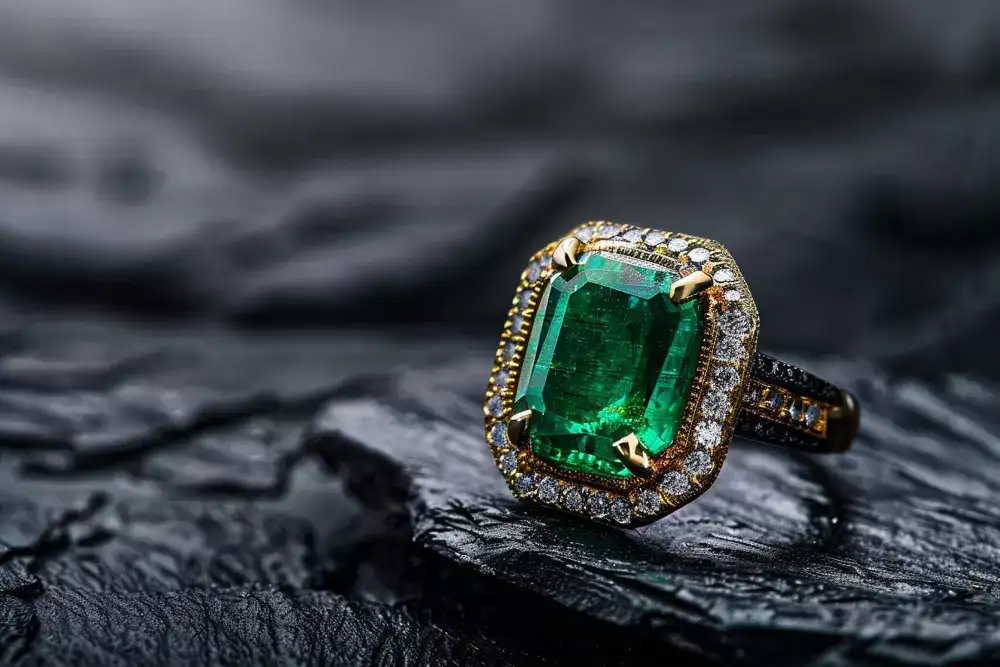
Here are some easy and practical ways to identify whether your emerald is genuine.
1. The Rubbing Test
One simple home method is the rubbing test. Gently rub the emerald on a soft wooden surface. A natural emerald may produce slight warmth and a brief shine due to its internal composition. Fake stones, especially glass or plastic imitations, usually appear dull and do not show any noticeable reaction. While this is not a laboratory test, it can give a basic idea about the stone’s natural properties.
2. Examine the Inclusions Carefully
Natural emeralds are formed deep inside the earth under intense heat and pressure. Because of this process, they almost always contain internal marks called “jardin,” which look like tiny cracks, feathers, or moss-like patterns. Use a 10x magnifying glass or jeweler’s loupe to inspect the stone closely. If the emerald appears perfectly clear and flawless, it may be synthetic. In emeralds, slight imperfections are actually a sign of authenticity.
3. Check Light Reflection and Color
Hold the emerald under natural light and rotate it slowly. A real emerald shows rich green tones and may display subtle shifts in shade when viewed from different angles. This effect is known as pleochroism. Genuine emeralds do not show rainbow sparkles like diamonds. If you notice bright rainbow flashes or bubble-like reflections inside the stone, it could be glass or another imitation material.
4. Perform the Density Test
You can also try a simple water test. Drop the stone gently into a bowl of water. A real emerald has higher density and will sink quickly. Many fake stones are lighter and may float or drift slowly. Additionally, touch the stone to your skin. A genuine emerald feels cool and takes time to warm up. Artificial stones usually heat up quickly when held.
5. Notice the Price and Certification
Emerald is a valuable gemstone. If the price seems unusually low for a large and flawless stone, it is wise to be cautious. Always ask for a proper gemstone certification from a trusted gemological laboratory. Certification confirms whether the stone is natural, treated, or synthetic.
6. Energizing and Wearing the Emerald
Once you are sure your emerald is genuine, many astrologers recommend energizing it before wearing. On a Wednesday morning, soak the stone in a mixture of raw cow milk and honey for about 30 minutes. Rinse it with clean water or Ganga jal. Chant “Om Brum Bum Brim Budhaya Namah” 108 times and wear it on the little finger in gold or silver after sunrise. Offering green leaves to Lord Vishnu weekly is believed to strengthen Mercury’s blessings and enhance clarity of thought.
Buying an emerald is not just a purchase, it is a meaningful choice. A genuine Panna carries natural beauty along with traditional astrological significance. Take your time, observe carefully, and if needed, consult a trusted expert. When you choose a real emerald, you invest in both quality and positive intention.
Here are some easy and practical ways to identify whether your emerald is genuine.
1. The Rubbing Test
One simple home method is the rubbing test. Gently rub the emerald on a soft wooden surface. A natural emerald may produce slight warmth and a brief shine due to its internal composition. Fake stones, especially glass or plastic imitations, usually appear dull and do not show any noticeable reaction. While this is not a laboratory test, it can give a basic idea about the stone’s natural properties.2. Examine the Inclusions Carefully
Natural emeralds are formed deep inside the earth under intense heat and pressure. Because of this process, they almost always contain internal marks called “jardin,” which look like tiny cracks, feathers, or moss-like patterns. Use a 10x magnifying glass or jeweler’s loupe to inspect the stone closely. If the emerald appears perfectly clear and flawless, it may be synthetic. In emeralds, slight imperfections are actually a sign of authenticity. 3. Check Light Reflection and Color
Hold the emerald under natural light and rotate it slowly. A real emerald shows rich green tones and may display subtle shifts in shade when viewed from different angles. This effect is known as pleochroism. Genuine emeralds do not show rainbow sparkles like diamonds. If you notice bright rainbow flashes or bubble-like reflections inside the stone, it could be glass or another imitation material.4. Perform the Density Test
You can also try a simple water test. Drop the stone gently into a bowl of water. A real emerald has higher density and will sink quickly. Many fake stones are lighter and may float or drift slowly. Additionally, touch the stone to your skin. A genuine emerald feels cool and takes time to warm up. Artificial stones usually heat up quickly when held. 5. Notice the Price and Certification
Emerald is a valuable gemstone. If the price seems unusually low for a large and flawless stone, it is wise to be cautious. Always ask for a proper gemstone certification from a trusted gemological laboratory. Certification confirms whether the stone is natural, treated, or synthetic. 6. Energizing and Wearing the Emerald
Once you are sure your emerald is genuine, many astrologers recommend energizing it before wearing. On a Wednesday morning, soak the stone in a mixture of raw cow milk and honey for about 30 minutes. Rinse it with clean water or Ganga jal. Chant “Om Brum Bum Brim Budhaya Namah” 108 times and wear it on the little finger in gold or silver after sunrise. Offering green leaves to Lord Vishnu weekly is believed to strengthen Mercury’s blessings and enhance clarity of thought. Buying an emerald is not just a purchase, it is a meaningful choice. A genuine Panna carries natural beauty along with traditional astrological significance. Take your time, observe carefully, and if needed, consult a trusted expert. When you choose a real emerald, you invest in both quality and positive intention.
Next Story