
How To Choose The Ideal Cage Size For Different Bird Species For A Healthy And Happy Life

Complete Guide To Selecting The Right Cage Size For Pet Birds Based On Species Needs: Complete Guide To Selecting The Right Cage Size For Pet Birds Based On Species Needs: Choosing the right cage size for pet birds is one of the most important aspects of responsible bird care. Birds are active, intelligent creatures that require enough space to move, stretch their wings, and engage in natural behaviours. However, many bird owners unknowingly select cages that are too small, which can lead to stress, health issues, and behavioural problems. Understanding the ideal cage size for different bird species is essential to ensure their physical wellbeing and mental stimulation. With the right approach, you can create a comfortable and enriching environment that supports a bird’s overall health and happiness.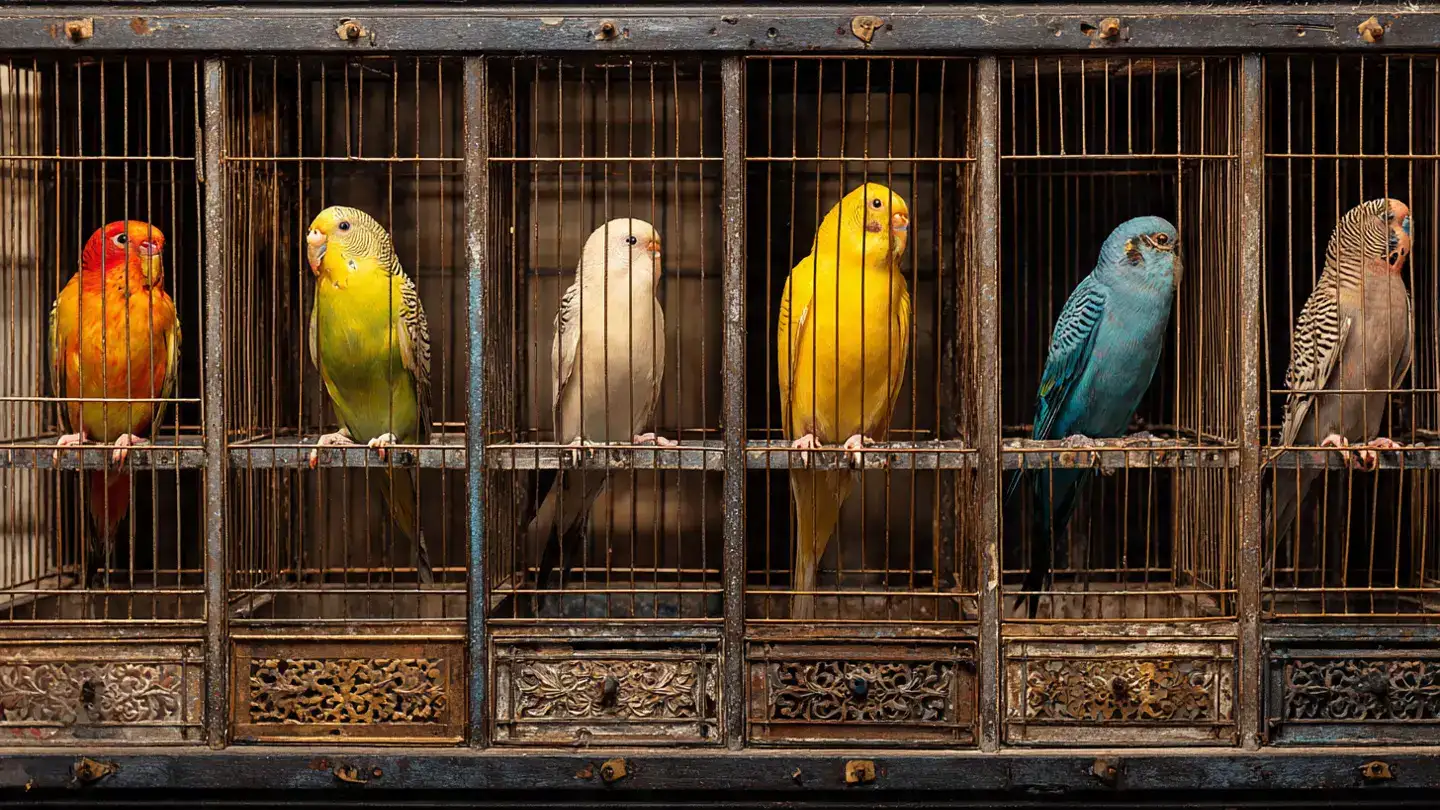
Providing an appropriate cage allows birds to flap their wings, climb, and explore. This supports muscle development, reduces boredom, and prevents negative behaviours such as feather plucking or excessive noise. Following a proper bird cage size guide is therefore essential for long-term wellbeing.
Height is also important, especially for species that enjoy climbing. However, width and depth should always be prioritised over height, as birds tend to move horizontally more often. Considering these basic bird habitat requirements helps create a more suitable living space.
A wider cage with horizontal bars is beneficial, as it supports climbing and movement. Even for smaller birds, overcrowding should be avoided, especially if more than one bird is kept together.
A spacious cage that accommodates perches, toys, and feeding areas without restricting movement is important. Choosing the ideal cage size for birds in this category ensures they remain active and mentally stimulated.
The cage size for parrots should be large enough to allow full wing extension and additional space for enrichment items. Strong bars and durable materials are also necessary, as larger birds tend to be more powerful.
Food and water bowls should be easily accessible without obstructing movement. A well-organised cage enhances usability and ensures that birds can use the space effectively.
Regular out-of-cage time complements a well-sized cage and contributes to overall physical and mental health. It also strengthens the bond between the bird and its owner.
Another mistake is underestimating the bird’s growth or activity level. Birds need space not just to sit, but to move actively. Avoiding these errors is a key part of pet bird care tips .
Ensuring proper ventilation, adequate lighting, and safe materials also contributes to a healthy habitat. A well-maintained cage supports both physical health and emotional wellbeing.
Selecting the ideal cage size for different bird species is not just about meeting basic needs but about enhancing a bird’s quality of life. By understanding species-specific requirements, prioritising space, and creating an enriching environment, bird owners can ensure their pets remain healthy, active, and content. A thoughtful approach to cage selection goes a long way in promoting long-term wellbeing and happiness for pet birds.
Image Courtesy: Meta AI
Why Cage Size Matters For Pet Birds
Cage size directly impacts a bird’s quality of life. Unlike other pets, birds spend a significant amount of time inside their cages, making it their primary living space. A cramped cage can restrict movement, limit exercise, and increase frustration.Providing an appropriate cage allows birds to flap their wings, climb, and explore. This supports muscle development, reduces boredom, and prevents negative behaviours such as feather plucking or excessive noise. Following a proper bird cage size guide is therefore essential for long-term wellbeing.
General Rule For Determining Cage Size
A simple guideline when selecting a cage is to ensure that the bird can fully extend its wings without touching the sides. Ideally, the cage should be at least twice the wingspan in width and depth, allowing for free movement.Height is also important, especially for species that enjoy climbing. However, width and depth should always be prioritised over height, as birds tend to move horizontally more often. Considering these basic bird habitat requirements helps create a more suitable living space.
Ideal Cage Size For Small Birds
Small bird species such as budgerigars, canaries, and finches require less space compared to larger birds, but they still need room to move freely. For these birds, a cage that allows short flights is ideal.A wider cage with horizontal bars is beneficial, as it supports climbing and movement. Even for smaller birds, overcrowding should be avoided, especially if more than one bird is kept together.
Cage Size Requirements For Medium Birds
Medium-sized birds like cockatiels and lovebirds require more space due to their higher activity levels. These birds enjoy climbing, playing with toys, and spreading their wings frequently.A spacious cage that accommodates perches, toys, and feeding areas without restricting movement is important. Choosing the ideal cage size for birds in this category ensures they remain active and mentally stimulated.
Best Cage Size For Large Birds And Parrots
Large birds such as parrots, macaws, and cockatoos need significantly larger cages due to their size and intelligence. These birds are highly active and require plenty of room to move, climb, and play.The cage size for parrots should be large enough to allow full wing extension and additional space for enrichment items. Strong bars and durable materials are also necessary, as larger birds tend to be more powerful.
Importance Of Cage Design And Layout
Cage size alone is not enough; the design and layout also play a key role in a bird’s comfort. Perches should be placed at different levels to encourage movement, while toys should be arranged to avoid overcrowding.Food and water bowls should be easily accessible without obstructing movement. A well-organised cage enhances usability and ensures that birds can use the space effectively.
Allowing Time Outside The Cage
Even with the best cage for pet birds , time outside the cage is essential. Birds benefit from supervised freedom, which allows them to exercise, explore, and interact with their surroundings.You may also like
- 4 High-Protein Vegetarian Foods for Muscle Growth (Gym Diet)
- Cheapest car to insure in UK revealed and it's not a Toyota, Hyundai or Ford
- Ignoring the urge to urinate can silently damage your kidneys
- Understanding Edema: The Hidden Signs of Heart Health Issues
- Top Protein-Rich Foods to Boost Your Health
Regular out-of-cage time complements a well-sized cage and contributes to overall physical and mental health. It also strengthens the bond between the bird and its owner.
Common Mistakes To Avoid
One of the most common mistakes is choosing a cage based on aesthetics rather than functionality. Decorative cages may look appealing but often lack the necessary space.Another mistake is underestimating the bird’s growth or activity level. Birds need space not just to sit, but to move actively. Avoiding these errors is a key part of pet bird care tips .
Maintaining A Safe And Comfortable Environment
Cleanliness and safety are essential components of a bird’s living space. Regular cleaning prevents infections and keeps the environment hygienic.Ensuring proper ventilation, adequate lighting, and safe materials also contributes to a healthy habitat. A well-maintained cage supports both physical health and emotional wellbeing.
Selecting the ideal cage size for different bird species is not just about meeting basic needs but about enhancing a bird’s quality of life. By understanding species-specific requirements, prioritising space, and creating an enriching environment, bird owners can ensure their pets remain healthy, active, and content. A thoughtful approach to cage selection goes a long way in promoting long-term wellbeing and happiness for pet birds.
Image Courtesy: Meta AI






More from our partners


Loving Newspoint? Download the app now
