
How To Cook Sabudana Khichdi Without Stickiness While Keeping It Light, Fluffy And Delicious

Sabudana khichdi is a popular dish, especially during fasting days, known for its light yet satisfying nature. However, achieving the perfect texture can be tricky. Many struggle with sabudana turning sticky, clumpy or mushy instead of soft and separate. The difference between an average dish and a perfect one lies in the details, particularly how the sabudana is soaked and cooked. With the right approach, you can create a fluffy, flavourful dish that feels both comforting and indulgent without being heavy.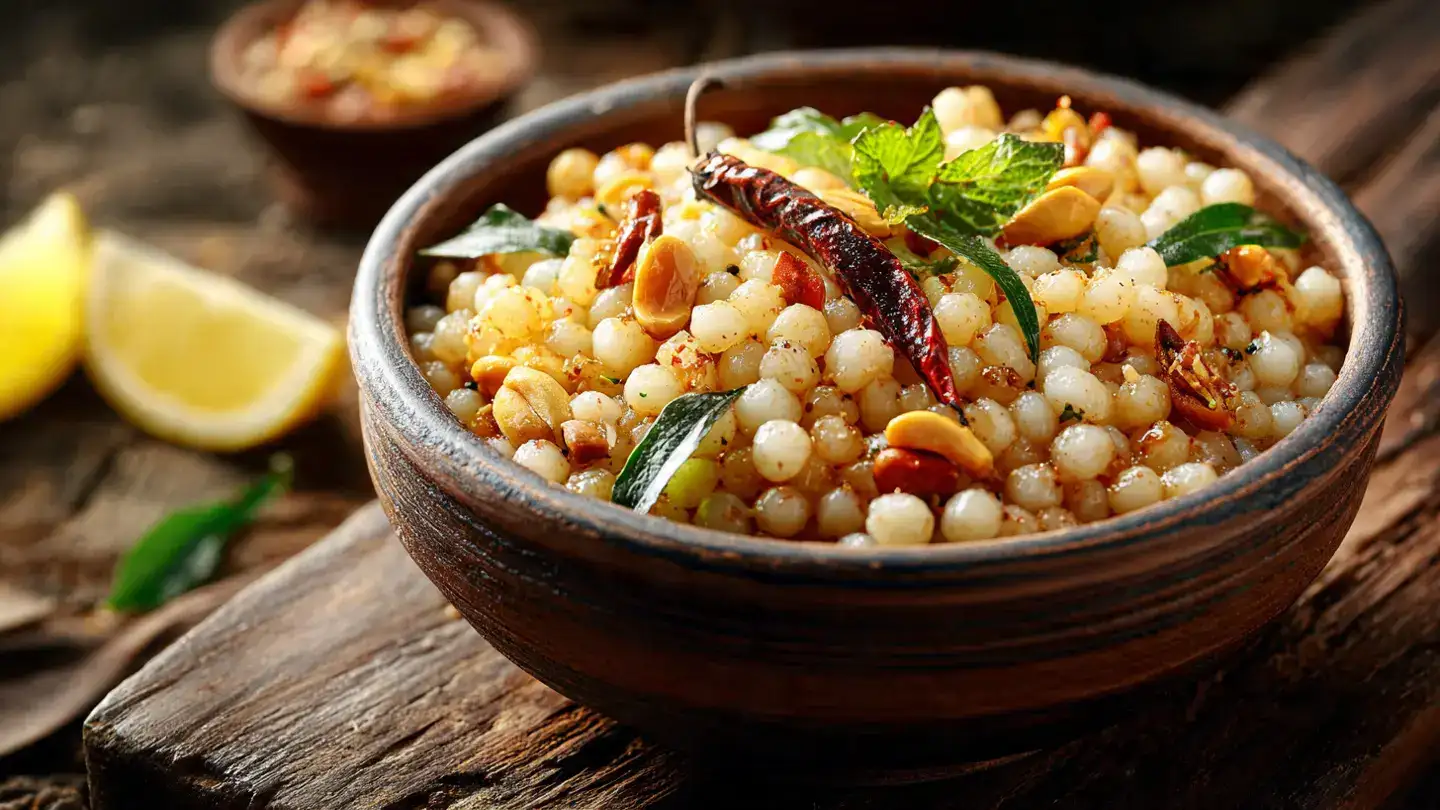
Understanding the basics of preparation is key to mastering this simple yet delicate recipe. Once you get the technique right, making non sticky sabudana becomes effortless and consistent.
Washing the sabudana thoroughly before soaking is essential. Rinse it gently under running water until the excess starch is removed. This step alone plays a significant role in preventing stickiness later during cooking.
After soaking, the pearls should feel soft when pressed but still hold their shape. Draining any excess water is important, as leftover moisture can make the khichdi sticky. Properly soaked sabudana ensures each pearl cooks separately, resulting in a light and fluffy texture.
Adding soaked sabudana to a pre-heated pan with minimal oil ensures even cooking. Stir gently and avoid excessive mixing, as this can break the pearls and make the dish sticky. Patience is key to achieving fluffy sabudana khichdi .
A touch of lemon juice at the end brings freshness and balances the flavours. Using rock salt, commonly preferred in vrat recipes , ensures authenticity and enhances the dish’s simplicity.
Adding boiled potatoes is optional but widely loved. They provide a soft contrast and make the dish more filling without affecting its lightness.
Another mistake is overcrowding the pan. Cooking in smaller batches allows better control and ensures even heat distribution. Stirring too frequently or aggressively should also be avoided, as it damages the texture of the pearls.
Understanding these small but important details can make a noticeable difference in the final outcome.
Turning off the heat at the right moment ensures the pearls retain their shape and softness. Residual heat will continue to cook the sabudana slightly, so it is better to stop cooking just before it reaches the final stage.
You can also customise the dish by adding grated vegetables such as carrots for added nutrition. While not traditional, these additions can enhance both flavour and texture without compromising the essence of the dish.
Freshly made khichdi always tastes better, as reheating can sometimes affect its texture. Preparing it just before serving ensures you enjoy it at its best.
Mastering sabudana khichdi is all about understanding the balance between technique and ingredients. With careful soaking, controlled cooking and thoughtful seasoning, you can create a dish that is consistently non-sticky and full of flavour. Once perfected, it becomes a reliable favourite that is both simple and satisfying.
Image Courtesy: Meta AI
Understanding the basics of preparation is key to mastering this simple yet delicate recipe. Once you get the technique right, making non sticky sabudana becomes effortless and consistent.
Choosing The Right Sabudana Matters
The foundation of a good sabudana khichdi recipe starts with selecting the right quality sabudana. Opt for medium-sized pearls, as they tend to soak evenly and cook well without becoming overly sticky. Very small pearls can turn mushy quickly, while larger ones may remain undercooked if not soaked properly.Washing the sabudana thoroughly before soaking is essential. Rinse it gently under running water until the excess starch is removed. This step alone plays a significant role in preventing stickiness later during cooking.
Perfect Soaking Technique For Fluffy Texture
Soaking is the most crucial step when it comes to perfect sabudana tips . Instead of immersing the pearls in excess water, use just enough to cover them. Let them soak for several hours or overnight, depending on the variety.After soaking, the pearls should feel soft when pressed but still hold their shape. Draining any excess water is important, as leftover moisture can make the khichdi sticky. Properly soaked sabudana ensures each pearl cooks separately, resulting in a light and fluffy texture.
Cooking On The Right Heat
Cooking sabudana requires careful attention to heat. Always cook on medium to low heat to avoid overcooking or burning. High heat can cause the pearls to stick together quickly, leading to a clumpy consistency.Adding soaked sabudana to a pre-heated pan with minimal oil ensures even cooking. Stir gently and avoid excessive mixing, as this can break the pearls and make the dish sticky. Patience is key to achieving fluffy sabudana khichdi .
Balancing Ingredients For Better Flavour
While texture is important, flavour is what makes the dish memorable. Roasted peanuts add crunch and richness, complementing the soft sabudana perfectly. Green chillies, curry leaves and cumin seeds enhance the overall taste without overpowering it.A touch of lemon juice at the end brings freshness and balances the flavours. Using rock salt, commonly preferred in vrat recipes , ensures authenticity and enhances the dish’s simplicity.
Adding boiled potatoes is optional but widely loved. They provide a soft contrast and make the dish more filling without affecting its lightness.
Avoiding Common Mistakes
One of the most common mistakes is over-soaking the sabudana. Too much water causes the pearls to break down during cooking, resulting in a sticky mess. Similarly, skipping the rinsing process leaves excess starch, which also contributes to clumping.Another mistake is overcrowding the pan. Cooking in smaller batches allows better control and ensures even heat distribution. Stirring too frequently or aggressively should also be avoided, as it damages the texture of the pearls.
Understanding these small but important details can make a noticeable difference in the final outcome.
Timing Is Everything
Sabudana cooks quickly, so timing plays a critical role. Once added to the pan, it usually takes only a few minutes to become translucent and perfectly cooked. Overcooking can make it chewy or sticky, so it is important to monitor closely.Turning off the heat at the right moment ensures the pearls retain their shape and softness. Residual heat will continue to cook the sabudana slightly, so it is better to stop cooking just before it reaches the final stage.
Making It Healthier And Lighter
Sabudana khichdi is naturally gluten-free and provides quick energy, making it ideal for fasting days or light meals. To keep it healthier, use minimal oil and balance it with fresh ingredients like coriander and lemon juice.You can also customise the dish by adding grated vegetables such as carrots for added nutrition. While not traditional, these additions can enhance both flavour and texture without compromising the essence of the dish.
Serving Tips For Best Experience
Serve sabudana khichdi hot for the best taste and texture. Garnish with fresh coriander and a squeeze of lemon to elevate the flavours. Pairing it with a side of yoghurt can add a cooling element and balance the mild spices.Freshly made khichdi always tastes better, as reheating can sometimes affect its texture. Preparing it just before serving ensures you enjoy it at its best.
Mastering sabudana khichdi is all about understanding the balance between technique and ingredients. With careful soaking, controlled cooking and thoughtful seasoning, you can create a dish that is consistently non-sticky and full of flavour. Once perfected, it becomes a reliable favourite that is both simple and satisfying.
Image Courtesy: Meta AI
Next Story