
How To Cook The Simplest Aloo Matar Curry That Tastes Just Like A Highway Dhaba Favourite

Aloo matar curry is one of the most comforting and widely loved dishes in Indian kitchens. Its simplicity lies in the use of everyday ingredients, yet its flavour can vary significantly depending on how it is prepared. What makes dhaba-style aloo matar stand out is its bold, rustic taste and rich texture, often associated with roadside eateries known for their hearty food. Recreating that depth of flavour at home does not require complex techniques, but rather an understanding of a few key elements that bring the dish to life.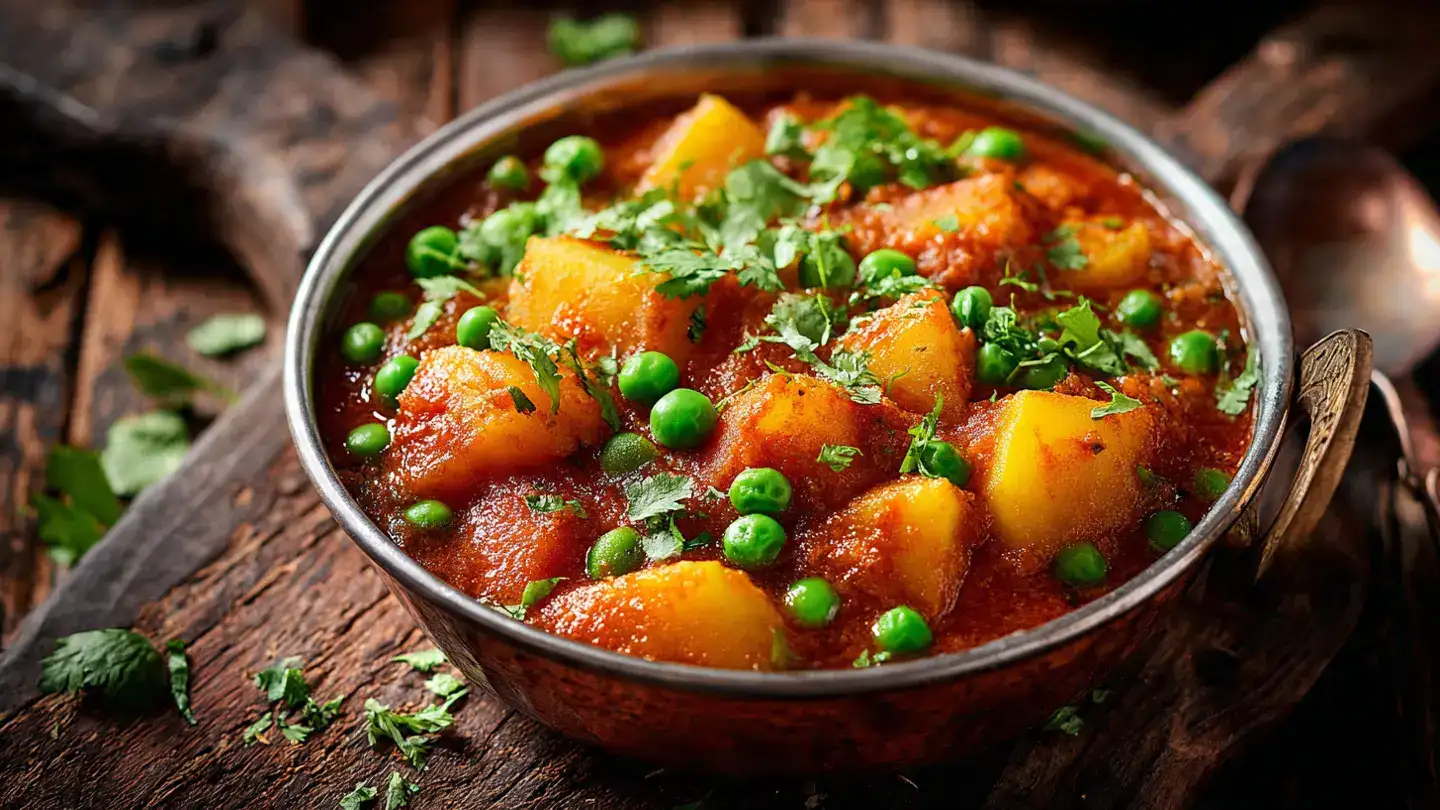
The beauty of this dish lies in its versatility. Whether served with roti, paratha or rice, it adapts effortlessly to any meal. By focusing on technique and balance, you can turn a basic aloo matar curry recipe into something that feels indulgent and satisfying.
Cooking the onions until they turn golden brown is essential. This step adds a natural sweetness and forms the backbone of the gravy. Tomatoes should be cooked thoroughly until they break down and blend smoothly with the spices, creating a thick and flavourful base.
Spices such as cumin seeds, turmeric, red chilli powder and coriander powder bring warmth and character to the dish. These everyday spices, when used correctly, transform an easy aloo matar recipe into something far more robust and aromatic.
Another important aspect is the use of slightly higher heat during certain stages of cooking. This helps create a deeper, slightly smoky flavour that is often associated with dhaba food. However, care must be taken to avoid burning the spices.
Adding a pinch of garam masala towards the end enhances the aroma without overpowering the dish. Fresh coriander leaves also contribute to the final burst of flavour, giving the curry a vibrant finish.
Green peas, whether fresh or frozen, should be added at the right time. Overcooking peas can dull their colour and texture, so it is best to add them once the potatoes are partially cooked. This ensures both ingredients retain their natural taste and balance each other well.
The combination of soft potatoes and slightly firm peas creates a pleasing contrast, making the Indian potato peas curry more enjoyable.
Adding water gradually allows you to control the texture. Simmering the curry for a few minutes helps the flavours blend together while thickening the gravy naturally.
Some prefer a slightly mashed texture, where a few potato pieces are gently crushed into the gravy. This adds body and richness, enhancing the overall feel of the dish.
A squeeze of lemon juice adds brightness and balances the spices, making the dish more refreshing. If you enjoy a hint of heat, a finely chopped green chilli can be added towards the end without overpowering the other flavours.
Cooking the dish covered for a short period allows the ingredients to absorb the spices fully, resulting in a more cohesive taste.
Serving it hot is essential to enjoy its full flavour and aroma. Garnishing with fresh coriander just before serving adds both colour and freshness.
For a more authentic experience, pairing it with sliced onions and a wedge of lemon can recreate the rustic charm of a dhaba meal.
Mastering this dish also builds confidence in preparing other curries. Once you understand how flavours develop and interact, adapting recipes becomes easier and more intuitive.
Aloo matar curry proves that great food does not have to be complicated. With the right approach, even the simplest ingredients can create a dish that feels rich, comforting and full of character, bringing the essence of dhaba-style cooking right into your kitchen.
Image Courtesy: Meta AI
The beauty of this dish lies in its versatility. Whether served with roti, paratha or rice, it adapts effortlessly to any meal. By focusing on technique and balance, you can turn a basic aloo matar curry recipe into something that feels indulgent and satisfying.
Building The Base With The Right Ingredients
The foundation of any good dhaba style aloo matar begins with simple, fresh ingredients. Potatoes and green peas form the core, but the flavour largely depends on the masala base. Onions, tomatoes, ginger and garlic create the depth needed for a rich curry.Cooking the onions until they turn golden brown is essential. This step adds a natural sweetness and forms the backbone of the gravy. Tomatoes should be cooked thoroughly until they break down and blend smoothly with the spices, creating a thick and flavourful base.
Spices such as cumin seeds, turmeric, red chilli powder and coriander powder bring warmth and character to the dish. These everyday spices, when used correctly, transform an easy aloo matar recipe into something far more robust and aromatic.
The Secret To Dhaba-Style Flavour
What sets a dhaba curry recipe apart is its intensity of flavour. One key element is cooking the masala patiently until oil begins to separate from the mixture. This indicates that the spices are well-cooked and the flavours have fully developed.Another important aspect is the use of slightly higher heat during certain stages of cooking. This helps create a deeper, slightly smoky flavour that is often associated with dhaba food. However, care must be taken to avoid burning the spices.
Adding a pinch of garam masala towards the end enhances the aroma without overpowering the dish. Fresh coriander leaves also contribute to the final burst of flavour, giving the curry a vibrant finish.
Perfect Cooking Of Potatoes And Peas
The texture of potatoes plays a crucial role in the overall dish. They should be cooked until tender but not overly soft, allowing them to hold their shape within the gravy. Cutting them into medium-sized pieces ensures even cooking.Green peas, whether fresh or frozen, should be added at the right time. Overcooking peas can dull their colour and texture, so it is best to add them once the potatoes are partially cooked. This ensures both ingredients retain their natural taste and balance each other well.
The combination of soft potatoes and slightly firm peas creates a pleasing contrast, making the Indian potato peas curry more enjoyable.
Achieving The Right Consistency
Consistency is another factor that defines a good curry. Dhaba-style aloo matar typically has a medium-thick gravy that coats the potatoes and peas well without being too dry or watery.Adding water gradually allows you to control the texture. Simmering the curry for a few minutes helps the flavours blend together while thickening the gravy naturally.
Some prefer a slightly mashed texture, where a few potato pieces are gently crushed into the gravy. This adds body and richness, enhancing the overall feel of the dish.
Simple Tips To Enhance Flavour Instantly
Even a quick vegetarian curry can taste exceptional with a few thoughtful additions. A small knob of butter or a splash of oil at the end can enhance richness and give the curry a glossy finish.A squeeze of lemon juice adds brightness and balances the spices, making the dish more refreshing. If you enjoy a hint of heat, a finely chopped green chilli can be added towards the end without overpowering the other flavours.
Cooking the dish covered for a short period allows the ingredients to absorb the spices fully, resulting in a more cohesive taste.
Serving Suggestions For A Complete Experience
Aloo matar curry pairs beautifully with a variety of Indian breads such as roti or paratha. It also complements steamed rice, making it a versatile addition to any meal.Serving it hot is essential to enjoy its full flavour and aroma. Garnishing with fresh coriander just before serving adds both colour and freshness.
For a more authentic experience, pairing it with sliced onions and a wedge of lemon can recreate the rustic charm of a dhaba meal.
Why Simplicity Works Best
One of the reasons this dish remains so popular is its simplicity. It does not rely on exotic ingredients or complicated methods, yet delivers deeply satisfying flavours. By focusing on proper cooking techniques and ingredient balance, you can achieve restaurant-quality results at home.Mastering this dish also builds confidence in preparing other curries. Once you understand how flavours develop and interact, adapting recipes becomes easier and more intuitive.
Aloo matar curry proves that great food does not have to be complicated. With the right approach, even the simplest ingredients can create a dish that feels rich, comforting and full of character, bringing the essence of dhaba-style cooking right into your kitchen.
Image Courtesy: Meta AI
Next Story