
How to Create a Safe and Happy Indoor Space for Your Pet Rabbit That They Will Truly Love

How to Rabbit-Proof Your Home and Build the Perfect Safe Indoor Space for Your Beloved Pet: Rabbits have long been one of Britain's most popular pets, yet they remain among the most misunderstood. For decades, the conventional wisdom was that a hutch at the bottom of the garden was perfectly adequate — a view we now know to be significantly wide of the mark. Rabbits are intelligent, social, and highly active animals that require considerably more space, stimulation, and companionship than many owners realise. Keeping a rabbit indoors, when done thoughtfully, can dramatically improve their quality of life and deepen the bond between pet and owner in genuinely rewarding ways.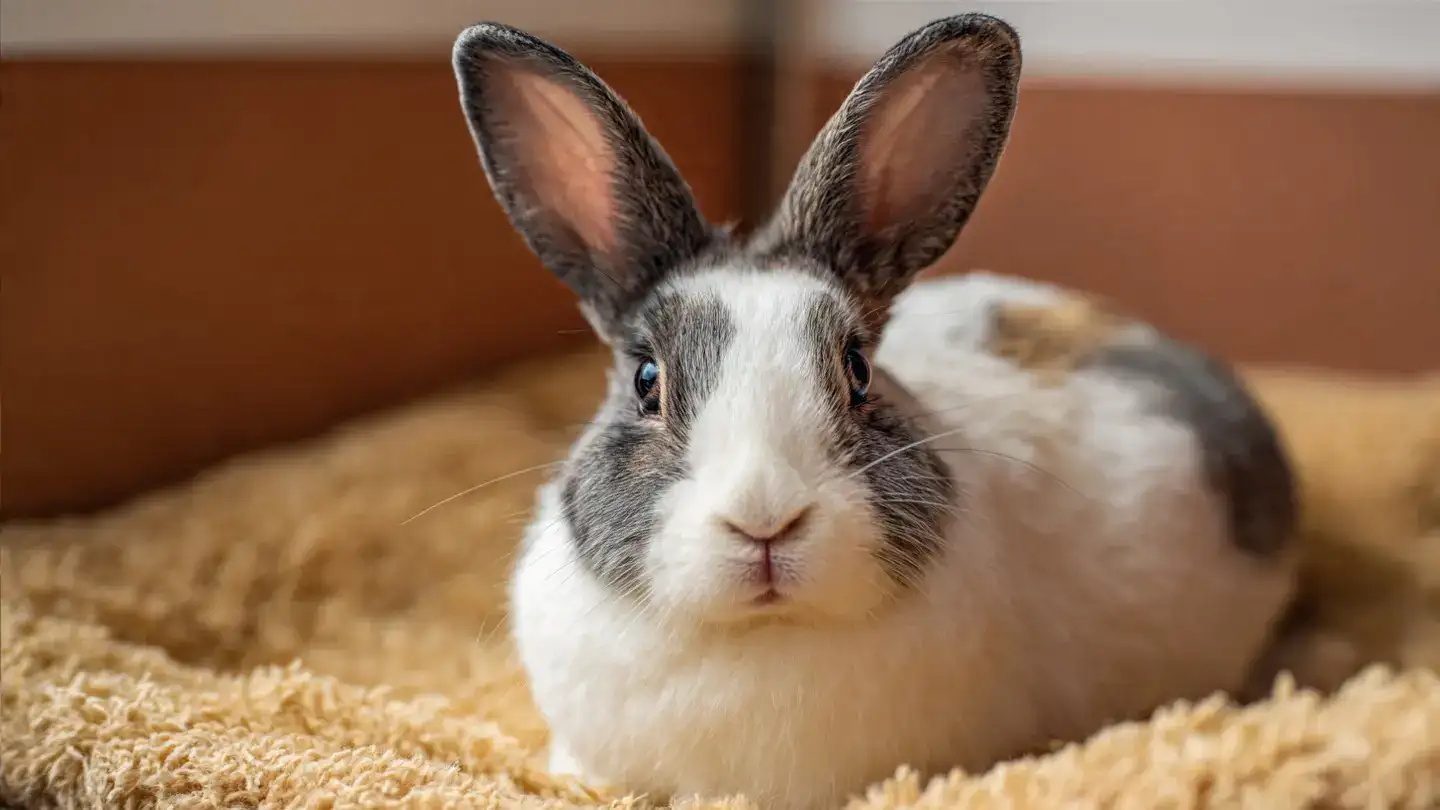
An indoor rabbit setup that works well mirrors these natural instincts as closely as possible. That means space to run, surfaces to dig on, objects to investigate, and ideally the company of another rabbit. Understanding this from the outset shapes every decision you make about their living environment.
Many rabbit owners opt for a large indoor pen rather than a traditional hutch, which allows the rabbit to move freely whilst still maintaining a defined safe zone. Others choose to free-roam their rabbit across a rabbit-proofed room or section of the house entirely. Both approaches can work well, provided the space is genuinely safe, stimulating, and free from hazards.
Avoid placing your rabbit's housing in direct sunlight or near radiators, as rabbits are sensitive to heat and can suffer from heatstroke at temperatures above approximately 25°C. A cool, well-ventilated room with stable temperature is ideal.
Houseplants require particular attention, as many common varieties are toxic to rabbits. Lilies, ivy, foxglove, and aloe vera are among the plants that can cause serious harm or prove fatal if ingested. Any plant within a rabbit's reach should be identified and removed or relocated before your rabbit is allowed access to the space.
Skirting boards, furniture legs, books, and remote controls are all fair game as far as a curious rabbit is concerned. Providing appropriate chewing alternatives — untreated wood blocks, willow balls, and cardboard boxes — helps redirect this behaviour constructively whilst protecting your belongings.
Providing rugs, yoga mats, or interlocking foam tiles across the areas where your rabbit spends most of their time gives them a surface they can grip comfortably and move across with confidence. These coverings also provide some insulation from cold flooring, which rabbits appreciate during cooler months.
Tunnels, cardboard castles, digging boxes filled with shredded paper or child-safe sand, and foraging opportunities — hiding leafy greens or herbs around their space — all contribute meaningfully to a rabbit's daily enrichment. Rotating toys and rearranging their environment periodically keeps things novel and engaging.
Rabbits also benefit enormously from human interaction. Spending time at floor level with your rabbit, allowing them to approach you on their own terms, and learning to read their body language builds trust and contributes to their emotional health in ways that cannot be replicated by enrichment objects alone.
If you already have a single rabbit, consider whether a carefully managed bonding process with a neutered companion might be appropriate. The bonding process takes time and patience but is widely considered one of the most significant improvements you can make to a rabbit's quality of life when keeping rabbits indoors .
Litter trays should be cleaned daily to maintain hygiene and to monitor your rabbit's droppings, which are a reliable early indicator of digestive health. Any sudden change in dropping size, consistency, or frequency warrants a prompt visit to a rabbit-savvy veterinarian.
Image Courtesy: Meta AI
Understanding Your Rabbit's Natural Behaviour Indoors
Before arranging a single piece of furniture or buying a single accessory, it pays to understand how rabbits naturally behave. In the wild, rabbits are crepuscular — most active at dawn and dusk — and spend their days foraging, exploring, digging, and socialising within a warren community. They are not sedentary creatures, and any indoor setup that restricts movement or mental stimulation will leave them frustrated, anxious, and susceptible to health problems.An indoor rabbit setup that works well mirrors these natural instincts as closely as possible. That means space to run, surfaces to dig on, objects to investigate, and ideally the company of another rabbit. Understanding this from the outset shapes every decision you make about their living environment.
Choosing the Right Space and Housing
The first practical step in creating a safe indoor space for your pet rabbit is deciding where in your home they will live. Rabbits should never be confined to a small cage for extended periods. According to the Rabbit Welfare Association and Fund (RWAF), the minimum recommended space is an enclosure of at least 3 metres by 2 metres, combined with a sheltered sleeping area — and more is always better.Many rabbit owners opt for a large indoor pen rather than a traditional hutch, which allows the rabbit to move freely whilst still maintaining a defined safe zone. Others choose to free-roam their rabbit across a rabbit-proofed room or section of the house entirely. Both approaches can work well, provided the space is genuinely safe, stimulating, and free from hazards.
Avoid placing your rabbit's housing in direct sunlight or near radiators, as rabbits are sensitive to heat and can suffer from heatstroke at temperatures above approximately 25°C. A cool, well-ventilated room with stable temperature is ideal.
Rabbit-Proofing Your Home Effectively
Rabbit-proofing your home is not optional — it is essential. Rabbits have a powerful and instinctive urge to chew, and they make no distinction between a cardboard box and an electrical cable. Exposed wiring is one of the most serious hazards for indoor rabbits and must be managed carefully. Use cable management trunking, run cables along skirting boards out of reach, or cover them with spiral wrap designed for exactly this purpose.Houseplants require particular attention, as many common varieties are toxic to rabbits. Lilies, ivy, foxglove, and aloe vera are among the plants that can cause serious harm or prove fatal if ingested. Any plant within a rabbit's reach should be identified and removed or relocated before your rabbit is allowed access to the space.
Skirting boards, furniture legs, books, and remote controls are all fair game as far as a curious rabbit is concerned. Providing appropriate chewing alternatives — untreated wood blocks, willow balls, and cardboard boxes — helps redirect this behaviour constructively whilst protecting your belongings.
Flooring Considerations for Rabbit Safety
Flooring is an aspect of indoor rabbit care that is frequently overlooked. Smooth hard floors such as laminate, tiles, or polished wood can be problematic for rabbits, as they struggle to gain traction and may develop painful joint conditions or sore hocks over time from slipping and compensating in their gait.Providing rugs, yoga mats, or interlocking foam tiles across the areas where your rabbit spends most of their time gives them a surface they can grip comfortably and move across with confidence. These coverings also provide some insulation from cold flooring, which rabbits appreciate during cooler months.
Enrichment and Mental Stimulation
A physically safe environment is only half the equation. A rabbit-safe environment must also address mental and emotional wellbeing. Rabbits are curious, intelligent animals that quickly become bored without adequate stimulation, which can lead to destructive behaviour, lethargy, or signs of stress such as over-grooming or teeth grinding.Tunnels, cardboard castles, digging boxes filled with shredded paper or child-safe sand, and foraging opportunities — hiding leafy greens or herbs around their space — all contribute meaningfully to a rabbit's daily enrichment. Rotating toys and rearranging their environment periodically keeps things novel and engaging.
Rabbits also benefit enormously from human interaction. Spending time at floor level with your rabbit, allowing them to approach you on their own terms, and learning to read their body language builds trust and contributes to their emotional health in ways that cannot be replicated by enrichment objects alone.
Social Needs and Companionship
The RWAF and most rabbit welfare organisations strongly recommend keeping rabbits in bonded pairs rather than alone. Rabbits are deeply social animals that can suffer from loneliness and depression when kept in isolation, regardless of how attentive their human owner may be. A bonded companion rabbit provides the kind of constant social interaction, grooming, and communication that a human simply cannot replicate.If you already have a single rabbit, consider whether a carefully managed bonding process with a neutered companion might be appropriate. The bonding process takes time and patience but is widely considered one of the most significant improvements you can make to a rabbit's quality of life when keeping rabbits indoors .
Litter Training and Hygiene
One of the distinct advantages of keeping pet rabbit care at home indoors is that rabbits can be effectively litter trained, which makes maintaining a clean living space considerably more straightforward. Most rabbits will naturally choose one or two corners in which to toilet, and placing a litter tray — filled with paper-based litter rather than wood shavings, which can irritate the respiratory system — in those spots reinforces the habit quickly.Litter trays should be cleaned daily to maintain hygiene and to monitor your rabbit's droppings, which are a reliable early indicator of digestive health. Any sudden change in dropping size, consistency, or frequency warrants a prompt visit to a rabbit-savvy veterinarian.
A Home That Works for Both of You
Creating a safe indoor space for your pet rabbit requires thought, preparation, and a genuine commitment to understanding their needs. The effort, however, is handsomely repaid. An indoor rabbit with adequate space, stimulation, companionship, and safety is a relaxed, curious, and often remarkably affectionate animal — one that will enrich your home in ways that may well surprise you.Image Courtesy: Meta AI
Next Story