
How to Create the Perfect Play Zone for Your Cat — A Room-by-Room Guide to Feline Fun and Enrichment

If you share your home with a cat, you'll know that they are creatures of both comfort and curiosity. Whilst they may spend a generous portion of the day napping, cats also have a powerful instinct to climb, hunt, scratch, and explore. Without adequate stimulation, indoor cats can become bored, anxious, or even destructive. Creating a dedicated play zone isn't a luxury — it's an investment in your cat's physical health and emotional wellbeing. Whether you have a compact flat or a sprawling home, this guide will help you design a space your feline will genuinely love.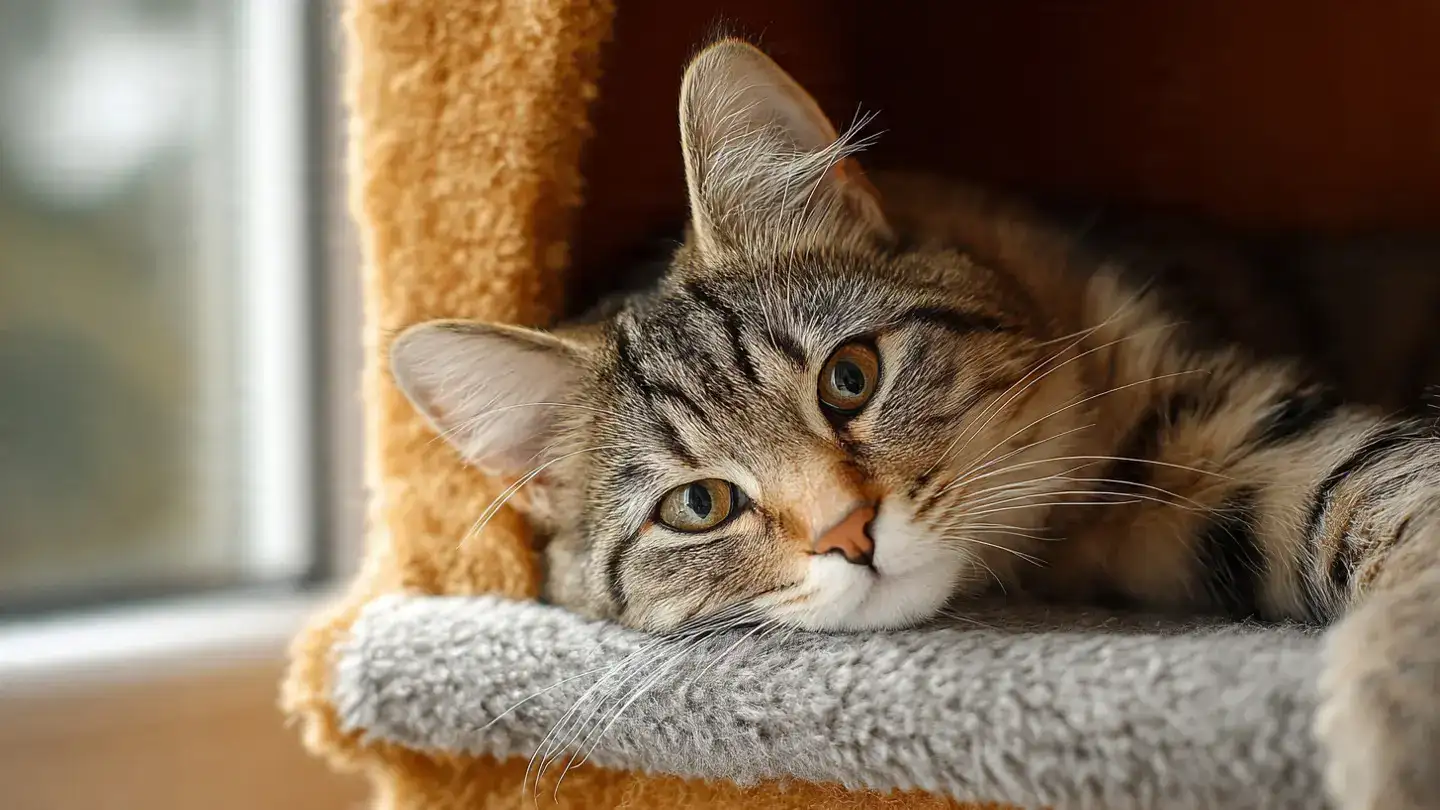
A truly effective cat play zone ideas layout will cater to all of these instincts: movement, climbing, hiding, scratching, and mental engagement. The goal is to replicate, as closely as possible, the kind of stimulation your cat would find in an outdoor environment — but safely indoors.
Avoid placing the play area in a high-traffic, noisy part of the home. Cats like to feel in control of their environment. A quieter corner that they can retreat to — but still observe from — tends to work far better than the middle of a busy living room.
When selecting a cat tree, look for one with multiple levels, a scratching post built in, and at least one enclosed hideaway pod. Stability is essential. A wobbly structure will deter even the most adventurous cat from using it.
Wall-mounted cat shelves are a brilliant option for smaller homes. Arranged in a staggered zigzag pattern, they create a climbing circuit your cat can traverse without ever touching the floor — which many cats find irresistible.
Offer a variety of textures and orientations. Some cats prefer vertical scratching posts; others favour horizontal pads placed flat on the floor. Sisal rope, cardboard, and carpet are all popular materials. Position scratching surfaces near resting spots, as cats typically scratch after waking.
For times when you're not available to play, puzzle feeders and treat-dispensing toys are invaluable. These encourage your cat to work for their food, providing mental stimulation that can reduce anxiety and prevent overeating. Rotating toys every few days keeps things feeling fresh and novel, which is key to maintaining your cat's interest.
For climbing structures, timber shelves, L-brackets, and carpet offcuts are all you need to build a wall-mounted climbing circuit. Many cat owners document their builds online, so there's no shortage of inspiration and step-by-step guides available.
Cats feel safest when they can observe their surroundings from a sheltered position — what behaviourists call a "refuge" spot. Position at least one cosy hideaway at height, so your cat can rest whilst still keeping a watchful eye on proceedings.
Spending dedicated one-on-one play sessions with your cat in their zone is equally important. Interactive play with a human strengthens the bond between cat and owner and provides a quality of engagement that no toy, however clever, can fully replicate.
A thoughtfully designed play zone is one of the kindest things you can do for an indoor cat. It acknowledges their nature, respects their instincts, and gives them a space that is genuinely theirs — and that, for any cat lover, is deeply satisfying to provide.
Image Courtesy: Meta AI
Understanding What Cats Actually Need
Before rushing out to buy toys and furniture, it helps to understand your cat's natural behaviour. Cats are instinctive hunters. Even the most pampered house cat is driven by the urge to stalk, pounce, and chase. They also need vertical space — in the wild, height offers safety and a vantage point for surveying territory.A truly effective cat play zone ideas layout will cater to all of these instincts: movement, climbing, hiding, scratching, and mental engagement. The goal is to replicate, as closely as possible, the kind of stimulation your cat would find in an outdoor environment — but safely indoors.
Choosing the Right Location
Location matters more than most people realise. Cats are naturally curious about the world outside, so placing your play zone near a window is an excellent starting point. A window perch or a wide sill gives your cat the opportunity to watch birds, passing pedestrians, and shifting light — all of which provide hours of low-effort stimulation.Avoid placing the play area in a high-traffic, noisy part of the home. Cats like to feel in control of their environment. A quieter corner that they can retreat to — but still observe from — tends to work far better than the middle of a busy living room.
Vertical Space: The Secret Ingredient
One of the most impactful additions to any indoor cat enrichment setup is vertical space. Cat trees, wall-mounted shelves, and climbing ladders allow your cat to ascend, survey, and descend at will. This isn't just play — it satisfies a deeply ingrained territorial need.When selecting a cat tree, look for one with multiple levels, a scratching post built in, and at least one enclosed hideaway pod. Stability is essential. A wobbly structure will deter even the most adventurous cat from using it.
Wall-mounted cat shelves are a brilliant option for smaller homes. Arranged in a staggered zigzag pattern, they create a climbing circuit your cat can traverse without ever touching the floor — which many cats find irresistible.
Scratching Surfaces Are Non-Negotiable
Scratching is not misbehaviour. It is a biological necessity for cats — it maintains claw health, stretches the muscles, and marks territory through scent glands in the paws. If you don't provide appropriate scratching surfaces as part of your best cat toys and climbing structures setup, your sofa will inevitably become the substitute.Offer a variety of textures and orientations. Some cats prefer vertical scratching posts; others favour horizontal pads placed flat on the floor. Sisal rope, cardboard, and carpet are all popular materials. Position scratching surfaces near resting spots, as cats typically scratch after waking.
Interactive Toys That Engage the Hunting Instinct
No play zone is complete without toys, but not all toys are created equal. Cats quickly lose interest in static objects. The most effective toys are those that mimic the movement of prey — feather wands, motorised mice, crinkle balls, and laser pointers all tap into the hunting drive.For times when you're not available to play, puzzle feeders and treat-dispensing toys are invaluable. These encourage your cat to work for their food, providing mental stimulation that can reduce anxiety and prevent overeating. Rotating toys every few days keeps things feeling fresh and novel, which is key to maintaining your cat's interest.
Creating a DIY Cat Play Area on a Budget
You don't need to spend a fortune to build an engaging space. A DIY cat play area can be assembled from surprisingly simple materials. Cardboard boxes with holes cut into them make excellent tunnels and dens. Paper bags (with handles removed for safety) provide crinkly, exploratory fun. A length of fleece tied to a stick becomes an instant wand toy.For climbing structures, timber shelves, L-brackets, and carpet offcuts are all you need to build a wall-mounted climbing circuit. Many cat owners document their builds online, so there's no shortage of inspiration and step-by-step guides available.
Don't Forget the Cosy Corners
Play and rest are two sides of the same coin for cats. After an energetic session of pouncing and climbing, your cat will want a warm, enclosed space to retreat to. Incorporating igloo-style beds, hammocks attached to cat trees, or even a simple cardboard box lined with a soft blanket gives your cat the security they crave.Cats feel safest when they can observe their surroundings from a sheltered position — what behaviourists call a "refuge" spot. Position at least one cosy hideaway at height, so your cat can rest whilst still keeping a watchful eye on proceedings.
Keeping the Play Zone Fresh and Engaging
Even the most well-designed space will lose its appeal if it never changes. How to create a cat-friendly space at home that remains stimulating long-term is largely about variety and rotation. Swap out toys regularly, rearrange climbing routes occasionally, and introduce new textures and scents — a pinch of dried catnip on a fresh toy, for instance, can reignite enthusiasm instantly.Spending dedicated one-on-one play sessions with your cat in their zone is equally important. Interactive play with a human strengthens the bond between cat and owner and provides a quality of engagement that no toy, however clever, can fully replicate.
A Space That Grows With Your Cat
It's worth noting that a kitten's play needs differ from those of a senior cat. Young cats need high-energy outlets and bold, stimulating environments. Older cats may prefer lower, more accessible structures and gentler forms of enrichment. As your cat ages, revisit the layout and adjust accordingly.A thoughtfully designed play zone is one of the kindest things you can do for an indoor cat. It acknowledges their nature, respects their instincts, and gives them a space that is genuinely theirs — and that, for any cat lover, is deeply satisfying to provide.
Image Courtesy: Meta AI
Next Story