
How To Deal With An Aggressive Or Biting Bird Without Damaging Trust And Bonding

Living with a pet bird can be deeply rewarding, but biting and sudden aggression can quickly make daily interaction stressful. Whether it is a parrot, cockatiel, lovebird or budgie, aggressive bird behaviour usually has a reason behind it. Birds rarely bite without warning. In most cases, the behaviour comes from fear, territorial instincts, hormonal changes, boredom or confusion. Understanding the root cause is the first step in correcting the issue without harming the bond you share. The good news is that with the right bird training tips , patience and consistency, even a biting pet bird can become calmer, more trusting and easier to handle over time.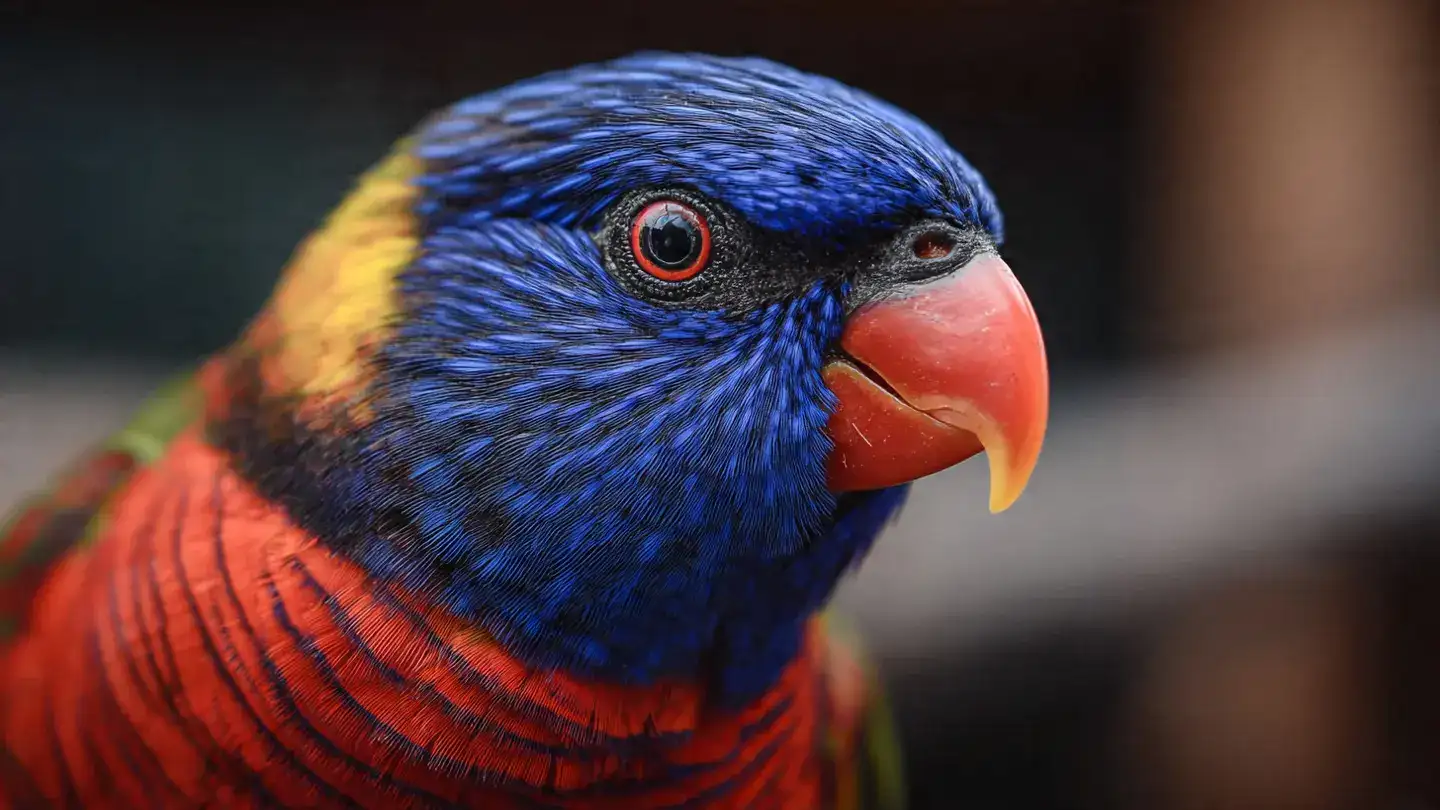
A bird may bite when it feels cornered, threatened or overstimulated. New environments, loud noises, strangers, sudden hand movements or forced handling can all create defensive reactions. Some birds also become territorial around cages, favourite perches, toys or even a preferred family member.
Hormonal behaviour during breeding seasons can also increase irritability. In many pet bird care situations, owners mistake warning signals for friendliness and push interaction too soon.
Watch for signs such as pinned eyes, raised feathers, tail fanning, lunging, crouching or moving away. These are often the bird’s way of saying it needs space.
Avoid forcing the bird to step up, come out of the cage or accept petting when it is clearly uncomfortable. Sit near the cage and speak softly every day so the bird gets used to your presence without pressure.
Offer treats through the bars first. Favourite seeds, small fruit pieces or approved pellets can help create positive associations. Once the bird relaxes, gradually begin hand-feeding.
This trust-building process is one of the most effective bird training tips because it replaces fear with predictability.
A dramatic reaction can reinforce the behaviour because the bird learns that biting controls the situation. Instead, stay calm and gently place the bird back on a perch or stable surface without making eye contact or creating excitement.
The goal is to show that biting does not lead to fear, shouting or attention.
This approach helps stop bird biting over time because it removes the reward linked to the action.
Birds need mental stimulation, exercise and a sense of security. Rotate toys regularly, provide safe chewing items and allow supervised out-of-cage time where possible.
Make sure the cage is large enough and placed in a stable area away from constant disturbance. Poor sleep can also increase irritability, so ensure your bird gets 10 to 12 hours of uninterrupted darkness each night.
A well-balanced routine is a major part of long-term pet bird care and can significantly calm aggressive bird tendencies.
If the bird steps up without biting, stays relaxed near your hand or accepts touch gently, offer praise and a treat. Birds learn quickly through repetition and reward.
Short sessions work best. Five to ten minutes of daily interaction is usually more effective than long, stressful attempts.
Positive reinforcement teaches the bird what behaviour earns trust and rewards, making it easier to replace aggression with cooperation.
Pain, injury, illness or nutritional deficiencies can make birds unusually defensive. A veterinary check-up with an avian specialist is important if the behaviour changes abruptly.
For long-term aggression, a certified bird behaviour expert can help identify environmental or handling issues that may not be obvious at home.
Learning how to deal with an aggressive or biting bird is less about control and more about communication. Most birds bite because they are trying to express fear, stress, boundaries or discomfort. By respecting signals, improving routine, using trust-based training and staying patient, owners can transform even difficult behaviour into a healthier bond. Over time, calm responses and consistent pet bird care can help create a relationship built on safety, confidence and mutual trust.
Image Courtesy: Meta AI
Understand Why The Bird Is Biting
Before trying to stop bird biting , identify what is triggering the reaction.A bird may bite when it feels cornered, threatened or overstimulated. New environments, loud noises, strangers, sudden hand movements or forced handling can all create defensive reactions. Some birds also become territorial around cages, favourite perches, toys or even a preferred family member.
Hormonal behaviour during breeding seasons can also increase irritability. In many pet bird care situations, owners mistake warning signals for friendliness and push interaction too soon.
Watch for signs such as pinned eyes, raised feathers, tail fanning, lunging, crouching or moving away. These are often the bird’s way of saying it needs space.
Build Trust Before Handling
Trust is the foundation of calming an aggressive bird.Avoid forcing the bird to step up, come out of the cage or accept petting when it is clearly uncomfortable. Sit near the cage and speak softly every day so the bird gets used to your presence without pressure.
Offer treats through the bars first. Favourite seeds, small fruit pieces or approved pellets can help create positive associations. Once the bird relaxes, gradually begin hand-feeding.
This trust-building process is one of the most effective bird training tips because it replaces fear with predictability.
Never React Dramatically To A Bite
One of the biggest mistakes owners make is yelling, jerking away suddenly or punishing the bird.A dramatic reaction can reinforce the behaviour because the bird learns that biting controls the situation. Instead, stay calm and gently place the bird back on a perch or stable surface without making eye contact or creating excitement.
The goal is to show that biting does not lead to fear, shouting or attention.
This approach helps stop bird biting over time because it removes the reward linked to the action.
Improve The Bird’s Environment
Sometimes aggressive bird behaviour is linked to stress, lack of enrichment or poor routine.Birds need mental stimulation, exercise and a sense of security. Rotate toys regularly, provide safe chewing items and allow supervised out-of-cage time where possible.
Make sure the cage is large enough and placed in a stable area away from constant disturbance. Poor sleep can also increase irritability, so ensure your bird gets 10 to 12 hours of uninterrupted darkness each night.
A well-balanced routine is a major part of long-term pet bird care and can significantly calm aggressive bird tendencies.
Use Positive Reinforcement Training
Reward calm behaviour immediately.If the bird steps up without biting, stays relaxed near your hand or accepts touch gently, offer praise and a treat. Birds learn quickly through repetition and reward.
You may also like
- Good News Ahead of the 8th Pay Commission! Government Hikes This Allowance; New Rules Issued—Find Out How Much You Will Receive..
- Quote of the day by Socrates for kids: Be as you wish to seem
- Empowering Children: Essential Life Skills to Teach During Summer Vacations
- Effective Strategies to Enhance Your Child's English Writing Skills
- Health meets indulgence: ITC's push for better snacking with Sunfeast Farmlite's sugar-free cookies; Aims to redefine consumer expectations in snacking
Short sessions work best. Five to ten minutes of daily interaction is usually more effective than long, stressful attempts.
Positive reinforcement teaches the bird what behaviour earns trust and rewards, making it easier to replace aggression with cooperation.
Know When To Seek Professional Help
If the biting is sudden, severe or paired with unusual physical symptoms, consider a health issue.Pain, injury, illness or nutritional deficiencies can make birds unusually defensive. A veterinary check-up with an avian specialist is important if the behaviour changes abruptly.
For long-term aggression, a certified bird behaviour expert can help identify environmental or handling issues that may not be obvious at home.
Learning how to deal with an aggressive or biting bird is less about control and more about communication. Most birds bite because they are trying to express fear, stress, boundaries or discomfort. By respecting signals, improving routine, using trust-based training and staying patient, owners can transform even difficult behaviour into a healthier bond. Over time, calm responses and consistent pet bird care can help create a relationship built on safety, confidence and mutual trust.
Image Courtesy: Meta AI






More from our partners


Loving Newspoint? Download the app now
