
How To Detect Adulterated Cooking Oil At Home And Protect Your Family From Hidden Health Risks

Cooking oil is an essential part of everyday meals in Indian households, but its quality often goes unquestioned. With increasing cases of food adulteration India , concerns around the purity of edible oils are growing rapidly. Adulterated cooking oil not only affects taste and nutrition but can also pose serious health risks over time. From harmful chemicals to low-quality substitutes, the presence of impurities can go unnoticed unless you know what to look for. Understanding how to check cooking oil quality has become more important than ever for ensuring safe and healthy cooking practices.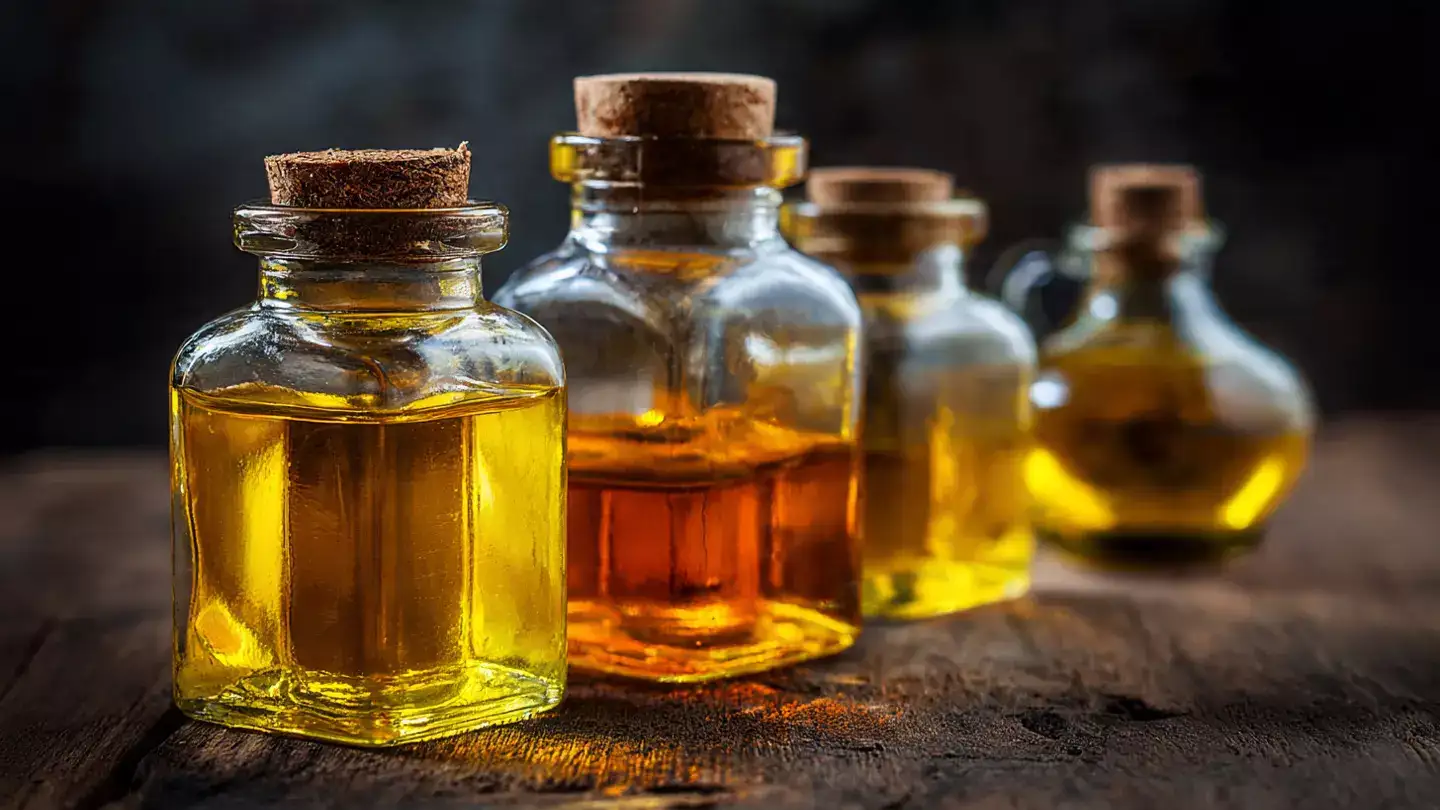
Regular consumption of adulterated cooking oil can lead to digestive issues, long-term health complications, and even chronic diseases. It may also reduce the effectiveness of essential nutrients that the body needs.
Being aware of these risks is the first step towards making safer choices in your kitchen.
Pure cooking oil usually has a consistent texture and a natural aroma. If the oil appears excessively cloudy or has sediments, it could indicate contamination. Similarly, if it produces excessive foam while heating, it might not be pure.
While these signs are helpful, they are not always conclusive, which is why simple tests at home can provide better clarity.
One popular method is the refrigerator test. Place a small amount of oil in a transparent container and refrigerate it for a few hours. Pure oils tend to solidify uniformly, whereas adulterated oils may separate into layers or show uneven textures.
Another approach is the paper test. Drop a small quantity of oil on a clean piece of paper and let it sit. Pure oil will leave a light, uniform stain, while adulterated oil may show multiple rings or patches.
Heating a small amount of oil can also help. If the oil emits an unusually strong smell or produces excessive smoke quickly, it may not be of good quality.
Look for quality certifications and proper labelling. Sealed packaging is generally safer compared to loose or unbranded oil sold in open containers.
Being cautious while buying can significantly reduce the chances of consuming unsafe products.
Store oil in a cool, dark place to maintain its freshness. Exposure to heat and light can cause it to deteriorate faster.
It is also advisable to use different types of oils for different cooking methods. For example, some oils are better suited for frying, while others work well for light cooking.
By understanding how to detect fake edible oil and adopting simple checks, you can make more confident decisions in your daily life. Small steps such as observing, testing, and choosing wisely can go a long way in ensuring that the food you prepare is both safe and nutritious.
Image Courtesy: Meta AI
Why Adulterated Cooking Oil Is A Serious Concern
Adulteration in cooking oils usually involves mixing cheaper or inferior oils with pure ones. In some cases, harmful substances may also be added to enhance colour or shelf life. This compromises both safety and nutritional value.Regular consumption of adulterated cooking oil can lead to digestive issues, long-term health complications, and even chronic diseases. It may also reduce the effectiveness of essential nutrients that the body needs.
Being aware of these risks is the first step towards making safer choices in your kitchen.
Common Signs Of Adulteration In Cooking Oil
There are several visible and sensory indicators that may hint at adulteration. Changes in colour, unusual odour, or an odd taste are often early warning signs.Pure cooking oil usually has a consistent texture and a natural aroma. If the oil appears excessively cloudy or has sediments, it could indicate contamination. Similarly, if it produces excessive foam while heating, it might not be pure.
While these signs are helpful, they are not always conclusive, which is why simple tests at home can provide better clarity.
Easy Home Tests To Check Cooking Oil Purity
You do not always need laboratory equipment to perform a basic cooking oil purity test . There are simple methods that can be done at home.One popular method is the refrigerator test. Place a small amount of oil in a transparent container and refrigerate it for a few hours. Pure oils tend to solidify uniformly, whereas adulterated oils may separate into layers or show uneven textures.
Another approach is the paper test. Drop a small quantity of oil on a clean piece of paper and let it sit. Pure oil will leave a light, uniform stain, while adulterated oil may show multiple rings or patches.
Heating a small amount of oil can also help. If the oil emits an unusually strong smell or produces excessive smoke quickly, it may not be of good quality.
Importance Of Buying From Trusted Sources
One of the most effective ways to avoid adulterated cooking oil is to purchase from reliable and reputable brands. Always check packaging details, including manufacturing and expiry dates.Look for quality certifications and proper labelling. Sealed packaging is generally safer compared to loose or unbranded oil sold in open containers.
Being cautious while buying can significantly reduce the chances of consuming unsafe products.
Safe Cooking Oil Tips For Everyday Use
Apart from checking purity, following safe cooking oil tips can further protect your health. Avoid reusing oil multiple times, as this can degrade its quality and produce harmful compounds.Store oil in a cool, dark place to maintain its freshness. Exposure to heat and light can cause it to deteriorate faster.
It is also advisable to use different types of oils for different cooking methods. For example, some oils are better suited for frying, while others work well for light cooking.
Staying Alert In A Changing Food Landscape
As food markets evolve, the risk of adulteration continues to be a challenge. Staying informed and vigilant is crucial for safeguarding your health.By understanding how to detect fake edible oil and adopting simple checks, you can make more confident decisions in your daily life. Small steps such as observing, testing, and choosing wisely can go a long way in ensuring that the food you prepare is both safe and nutritious.
Image Courtesy: Meta AI
Next Story