How To Detect Fake Asafoetida (Hing) Before It Affects Taste & Health

How To Detect Fake Asafoetida (Hing) Before It Affects Taste And Health: Asafoetida, commonly known as hing, is a staple spice in many Indian kitchens, valued for its strong aroma and digestive benefits. It is widely used in dals, curries and tempering, especially in vegetarian cooking. However, pure asafoetida is rare and expensive, leading to widespread adulteration in the market. Many products sold as hing contain fillers, starches and artificial additives. Learning how to detect fake asafoetida is essential to ensure food safety, authentic flavour and long-term health.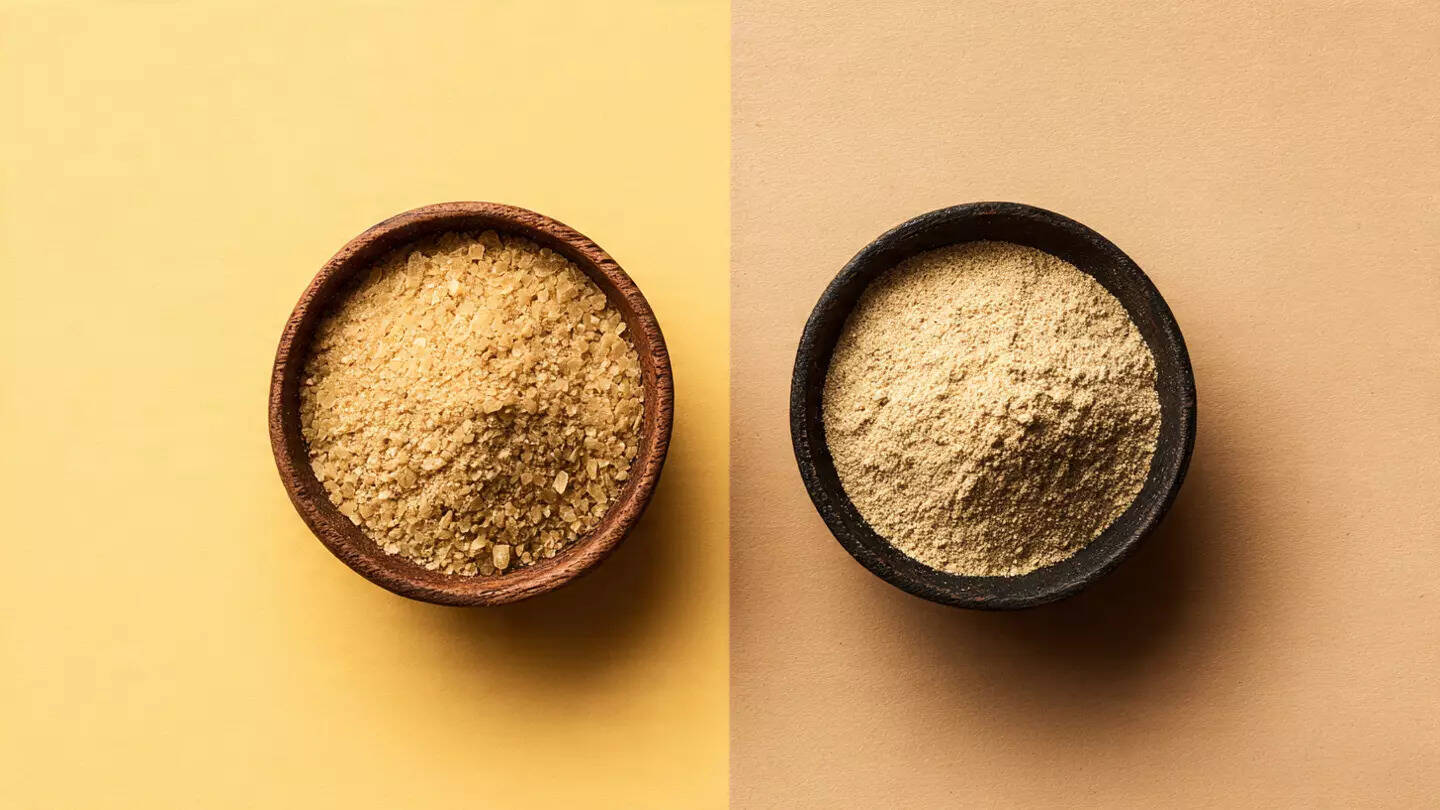
Because raw asafoetida is extremely pungent, most commercially available hing is compounded with edible flour or gum. However, high-quality compounded hing still contains a significant proportion of natural resin, unlike fake versions that rely heavily on fillers and artificial flavouring.
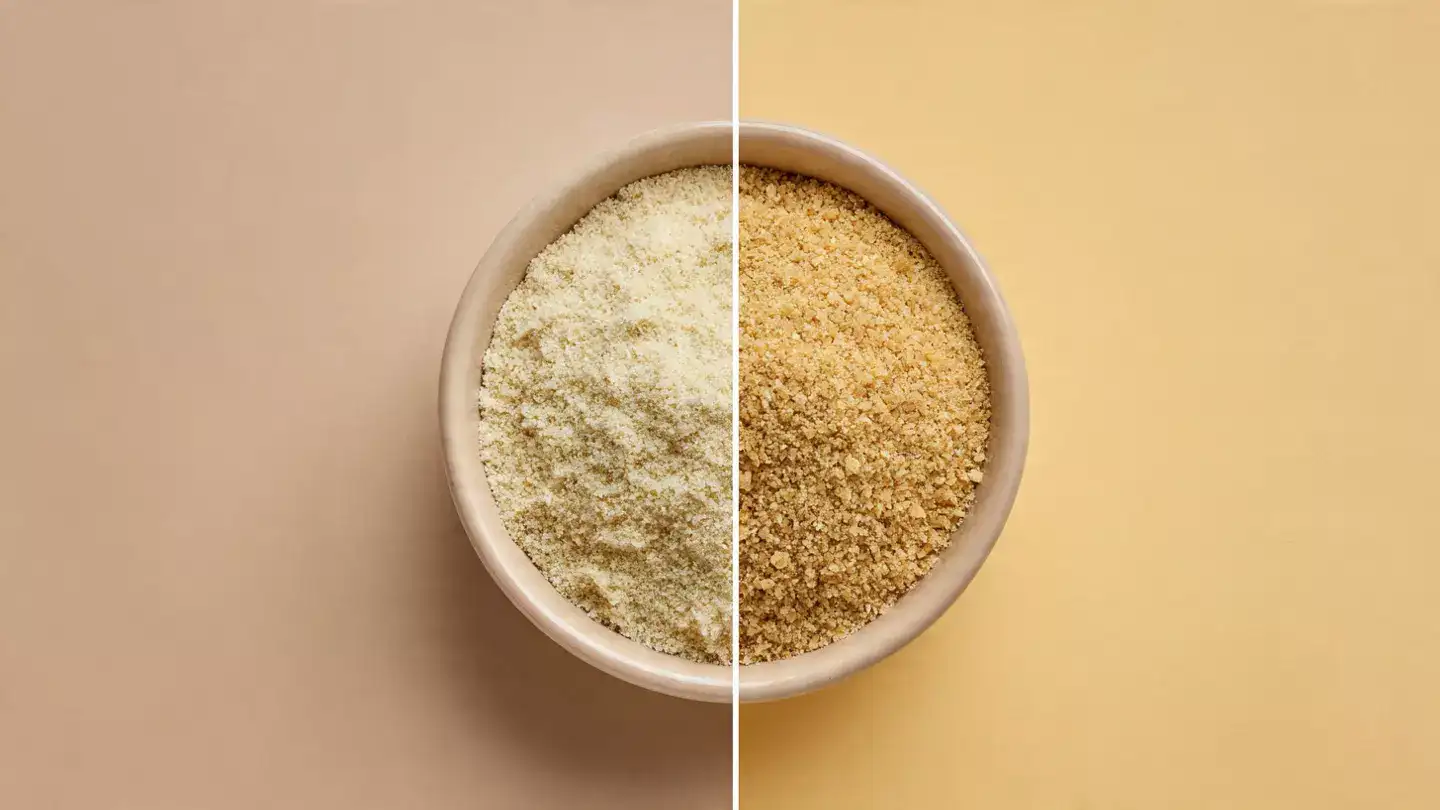
Fake or low-quality hing often smells flat, overly artificial or chalky. Some adulterated varieties may have a weak odour that disappears quickly or an unpleasant synthetic smell, indicating minimal real resin content.
Fake hing powders are often very fine, dry and flour-like, with no stickiness. In terms of colour, authentic hing ranges from off-white to light brown or pale yellow. Extremely bright yellow or stark white powders usually indicate heavy use of starch and colouring agents.
Adulterated hing may settle at the bottom, float as residue or fail to release a noticeable aroma. Excessive sediment suggests a high proportion of fillers such as rice flour or wheat flour.
Fake hing may burn slowly, smell starchy or leave excessive residue. The absence of the characteristic pungent aroma is a clear sign of low resin content.
Pure hing is traditionally known for aiding digestion and reducing bloating. Adulterated versions lack these benefits and may even counteract them, making it important to identify and avoid fake products.
Buying hing in small quantities helps preserve freshness and aroma. Storing it in an airtight container away from heat and moisture also maintains quality over time.
Learning how to detect fake asafoetida empowers consumers to protect both flavour and health. Simple checks using aroma, texture, water and heat can reveal whether the hing in your kitchen is genuine. While pure asafoetida may cost more, its authenticity, potency and health benefits make it a valuable addition to everyday cooking.
Image Courtesy: Meta AI
What Pure Asafoetida Really Is
To understand how to detect fake asafoetida, it is important to know what genuine hing looks like. Pure asafoetida is a natural resin extracted from the roots of Ferula plants. In its raw form, it appears as irregular, hard lumps with a strong, sulphur-like smell.Because raw asafoetida is extremely pungent, most commercially available hing is compounded with edible flour or gum. However, high-quality compounded hing still contains a significant proportion of natural resin, unlike fake versions that rely heavily on fillers and artificial flavouring.
Check The Aroma Carefully
Smell is one of the simplest ways to detect fake asafoetida. Pure hing has a sharp, penetrating aroma that mellows into a savoury, onion-garlic note when cooked. The smell is strong but not chemical.Fake or low-quality hing often smells flat, overly artificial or chalky. Some adulterated varieties may have a weak odour that disappears quickly or an unpleasant synthetic smell, indicating minimal real resin content.
Observe The Texture And Colour
Texture offers another important clue. Pure asafoetida resin is hard and brittle, breaking unevenly when crushed. Even compounded hing of good quality feels slightly sticky when exposed to moisture due to the resin content.Fake hing powders are often very fine, dry and flour-like, with no stickiness. In terms of colour, authentic hing ranges from off-white to light brown or pale yellow. Extremely bright yellow or stark white powders usually indicate heavy use of starch and colouring agents.
The Water Test For Hing
A simple home test can help detect fake asafoetida. Add a small pinch of hing to warm water and stir gently. Genuine hing will dissolve gradually, releasing a strong aroma and slightly clouding the water.Adulterated hing may settle at the bottom, float as residue or fail to release a noticeable aroma. Excessive sediment suggests a high proportion of fillers such as rice flour or wheat flour.
Flame Test For Resin Content
Another traditional method to detect fake asafoetida involves heat. Place a tiny amount of hing on a hot pan or near a flame. Real hing burns quickly, releasing a sharp aroma before mellowing into a pleasant savoury scent.Fake hing may burn slowly, smell starchy or leave excessive residue. The absence of the characteristic pungent aroma is a clear sign of low resin content.
Why Fake Asafoetida Can Be Harmful
Consuming fake asafoetida regularly may pose health concerns. Adulterants like excess starch, synthetic colours and flavouring agents can affect digestion and may cause allergic reactions in sensitive individuals.Pure hing is traditionally known for aiding digestion and reducing bloating. Adulterated versions lack these benefits and may even counteract them, making it important to identify and avoid fake products.
Tips To Buy Genuine Asafoetida
To reduce the risk of buying fake asafoetida, choose trusted brands that clearly mention resin content and ingredients on the label. Avoid products with vague descriptions or unusually low prices.Buying hing in small quantities helps preserve freshness and aroma. Storing it in an airtight container away from heat and moisture also maintains quality over time.
Learning how to detect fake asafoetida empowers consumers to protect both flavour and health. Simple checks using aroma, texture, water and heat can reveal whether the hing in your kitchen is genuine. While pure asafoetida may cost more, its authenticity, potency and health benefits make it a valuable addition to everyday cooking.
Image Courtesy: Meta AI
Next Story