
How To Detect Fake Salt At Home Using Simple & Reliable Methods

Salt is one of the most essential ingredients used daily in Indian kitchens, yet it is often taken for granted. In recent years, reports of adulterated or fake salt entering local markets have raised serious health concerns. Fake salt may contain harmful chemicals, industrial-grade substances, or excessive insoluble matter that can affect digestion and long-term health. Knowing how to detect fake salt at home is therefore crucial for every household. With a few simple observations and basic tests, consumers can identify impure salt and make safer choices for their families.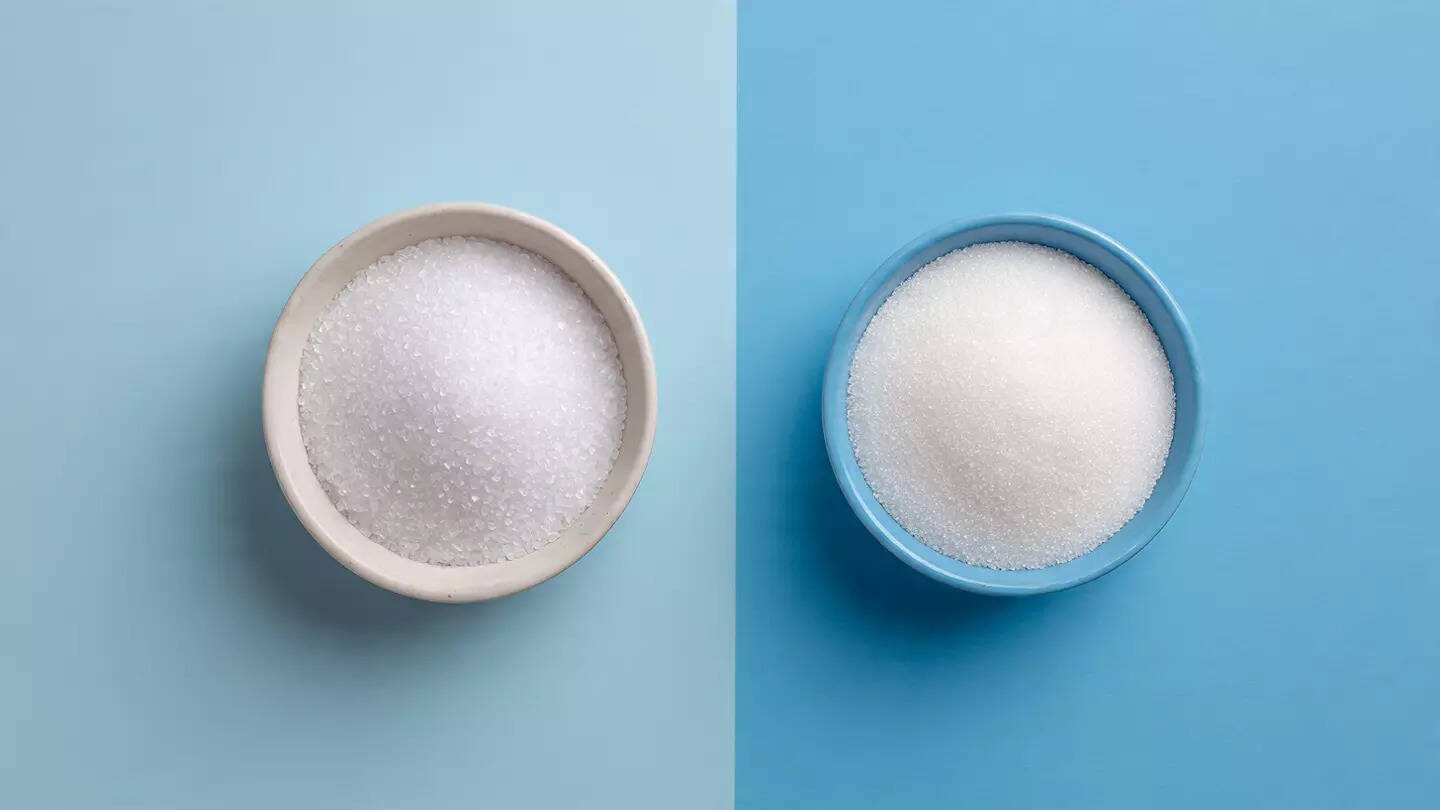
Detecting fake salt does not require specialised equipment or advanced knowledge. With basic visual checks, simple home tests, and careful purchasing habits, consumers can easily identify adulterated salt and protect their families from potential health risks. Being aware and cautious is the most effective way to ensure that the salt used every day is safe, pure, and fit for consumption.
Image Courtesy: Meta AI
What Is Fake Or Adulterated Salt
Fake salt refers to salt that has been mixed with non-edible or industrial substances to increase volume or reduce production costs. Common adulterants include chalk powder, washing soda, gypsum, or excess moisture-binding agents. In some cases, low-grade industrial salt is repackaged and sold as edible salt. Such products may look similar to genuine salt but lack proper refinement and iodine content. Consuming adulterated salt regularly can lead to stomach issues, mineral imbalance, and increased health risks.Check The Texture And Appearance
One of the easiest ways to detect fake salt is by closely examining its texture and colour. Pure edible salt usually has uniform crystals and appears clean white. If the salt looks dull, greyish, or uneven in grain size, it may be impure. Excessively powdery salt or salt containing visible particles could indicate adulteration. Genuine salt flows freely, while fake salt often feels heavy or sticky due to added moisture or binding agents.Perform The Water Dissolution Test
The water test is a simple and effective home method for salt purity testing . Take a glass of clean water and add a spoonful of salt to it. Stir well and allow it to settle for a few minutes. Pure salt dissolves completely, leaving clear water. If you notice sediment settling at the bottom or cloudiness in the water, it may indicate the presence of insoluble impurities such as chalk or gypsum. This method is widely used to detect fake salt at home.Use The Heating Test Carefully
Another useful technique is the heating test, which should be done with caution. Place a small amount of salt in a dry pan and heat it on low flame. Pure salt does not crackle or produce sound when heated. If the salt crackles or pops, it may contain moisture or other substances. In some cases, fake salt may emit a faint odour when heated, which is a clear warning sign of contamination.Test With Lemon Juice Or Vinegar
To identify chalk or carbonate adulteration, add a few drops of lemon juice or vinegar to a small quantity of salt. If you notice bubbling or fizzing, it suggests the presence of calcium carbonate or similar substances. Pure edible salt does not react with mild acids. This test is particularly useful for detecting non-edible fillers that are sometimes added to fake salt.Check Packaging And Labelling Details
Apart from physical tests, consumers should pay close attention to packaging. Always check whether the salt packet carries proper food safety markings, manufacturing details, and batch numbers. Branded edible salt usually mentions iodine content and compliance with food standards. Loose or unlabelled salt sold at unusually low prices should be avoided. Poor packaging quality and spelling errors on labels are also common indicators of fake salt products.Health Risks Of Using Fake Salt
Using adulterated salt regularly can have serious health implications. Insoluble impurities may irritate the digestive system, while industrial chemicals can cause long-term damage to organs. Lack of iodine in fake salt may lead to thyroid-related disorders, especially in children and pregnant women. Understanding how to identify adulterated salt is therefore not just about food quality but also about protecting overall health.Tips To Avoid Buying Fake Salt
To reduce the risk of buying fake salt, purchase salt from trusted retailers and well-known brands. Avoid loose salt unless it comes from a verified source. Store salt in a dry, airtight container to prevent contamination after purchase. Regularly checking salt purity using simple household tests can help ensure food safety and peace of mind.Detecting fake salt does not require specialised equipment or advanced knowledge. With basic visual checks, simple home tests, and careful purchasing habits, consumers can easily identify adulterated salt and protect their families from potential health risks. Being aware and cautious is the most effective way to ensure that the salt used every day is safe, pure, and fit for consumption.
Image Courtesy: Meta AI
Next Story