How To Identify Adulterated Cloves Before They Enter Your Kitchen

Cloves are a common kitchen staple, valued for their strong aroma, medicinal properties and culinary importance. However, rising food adulteration has made it essential for consumers to check spice quality before use. Adulterated cloves not only reduce flavour but may also pose health risks. Knowing a few simple identification methods can help households ensure purity, safety and value while purchasing and storing this widely used spice.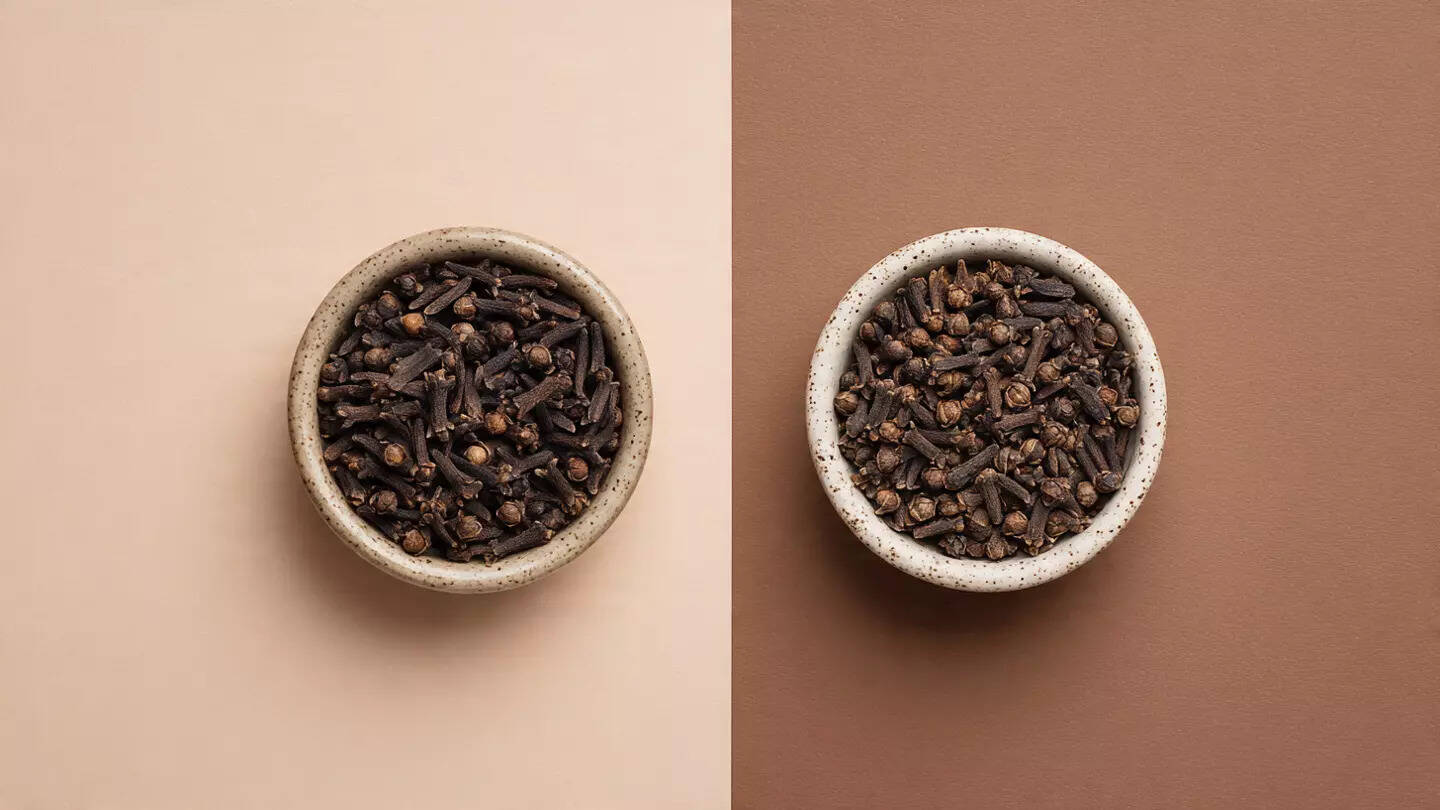
Why Clove Adulteration Is A Growing Concern
Clove adulteration usually happens to increase profit margins. Inferior quality cloves, exhausted cloves from which oil has been extracted, or artificial colouring are often mixed with genuine produce. These practices reduce nutritional value and aroma, and in some cases introduce harmful substances. Since cloves are commonly used in small quantities, adulteration often goes unnoticed for long periods.Visual Checks To Identify Poor Quality Cloves
One of the easiest ways to identify adulterated cloves is through visual inspection. Pure cloves are dark brown with a bulbous head and firm stem. Adulterated or exhausted cloves often appear shrivelled, lighter in colour or unusually glossy due to artificial polishing. Broken heads or uneven shapes may also indicate inferior quality or excessive processing.Aroma Test Reveals Oil Content
Cloves are rich in essential oils, which give them their strong fragrance. Gently crush a clove between your fingers and smell it. Pure cloves release a sharp, spicy aroma almost immediately. Adulterated or exhausted cloves emit little to no fragrance, indicating that the oil content has already been removed or diluted.Water Test For Detecting Exhausted Cloves
A simple water test can help identify adulteration. Drop a few cloves into a bowl of water. Pure cloves tend to sink or stand upright due to higher oil density. Exhausted or adulterated cloves often float horizontally, signalling reduced oil content and compromised quality.You may also like
- Rs 14,122 crore worth of bank loans to farmers hit by natural calamities written off in H1 2025-26
- Exclusive: IPO-Bound Atomberg In Talks To Raise INR 40 Cr In Secondary Capital
- Researchers tracked prediabetes patients for 30 years, what they found about heart disease is alarming
- Banke Bihari Temple: SC criticises practice of 'special pujas' by affluent devotees during deity's resting time
- Appointment of Nitin Nabin to strengthen BJP in Delhi as well: CM Rekha Gupta
Texture And Oil Release Test
Press the head of a clove with your fingernail. High-quality cloves release a slight amount of oil, leaving a mild residue on the skin. If no oil is released or the clove feels dry and brittle, it may be adulterated or old stock reused after oil extraction.Taste Test Should Be Used Cautiously
Cloves have a naturally pungent, slightly numbing taste. A weak or bland flavour may suggest adulteration. However, this method should be used sparingly, as excessive consumption of poor-quality cloves can irritate the mouth or throat.Packaging And Source Matter
Buying cloves from trusted brands or reliable local sellers reduces the risk of adulteration. Proper labelling, sealed packaging and clear sourcing information are indicators of quality. Loose spices without storage details or unusually low prices often carry higher risks of adulteration.Safe Storage Helps Maintain Quality
Even pure cloves can lose quality if stored incorrectly. Keep them in airtight containers away from moisture and heat. Proper storage preserves aroma, oil content and shelf life, ensuring cloves remain effective for both culinary and medicinal use.Why Consumers Should Stay Alert
Regularly checking spice quality empowers consumers to avoid health risks and unnecessary expenses. Awareness and simple home tests can significantly reduce exposure to adulterated food products and encourage safer consumption practices.





More from our partners


Loving Newspoint? Download the app now
