
How To Identify Adulterated Olive Oil With Easy Home Checks And Smart Buying Tips

Olive oil is widely valued for its heart-friendly fats, rich flavour and versatility in cooking. From salad dressings to light sautéing, it has become a kitchen essential in many homes. However, its premium reputation and higher price also make it vulnerable to adulteration. In many cases, cheaper refined oils may be mixed into olive oil, reducing both quality and nutritional value. For consumers, learning how to identify adulterated olive oil is important not only for taste but also for health and value for money. The good news is that a few careful checks at home and smarter buying habits can help you spot signs of impurity with greater confidence.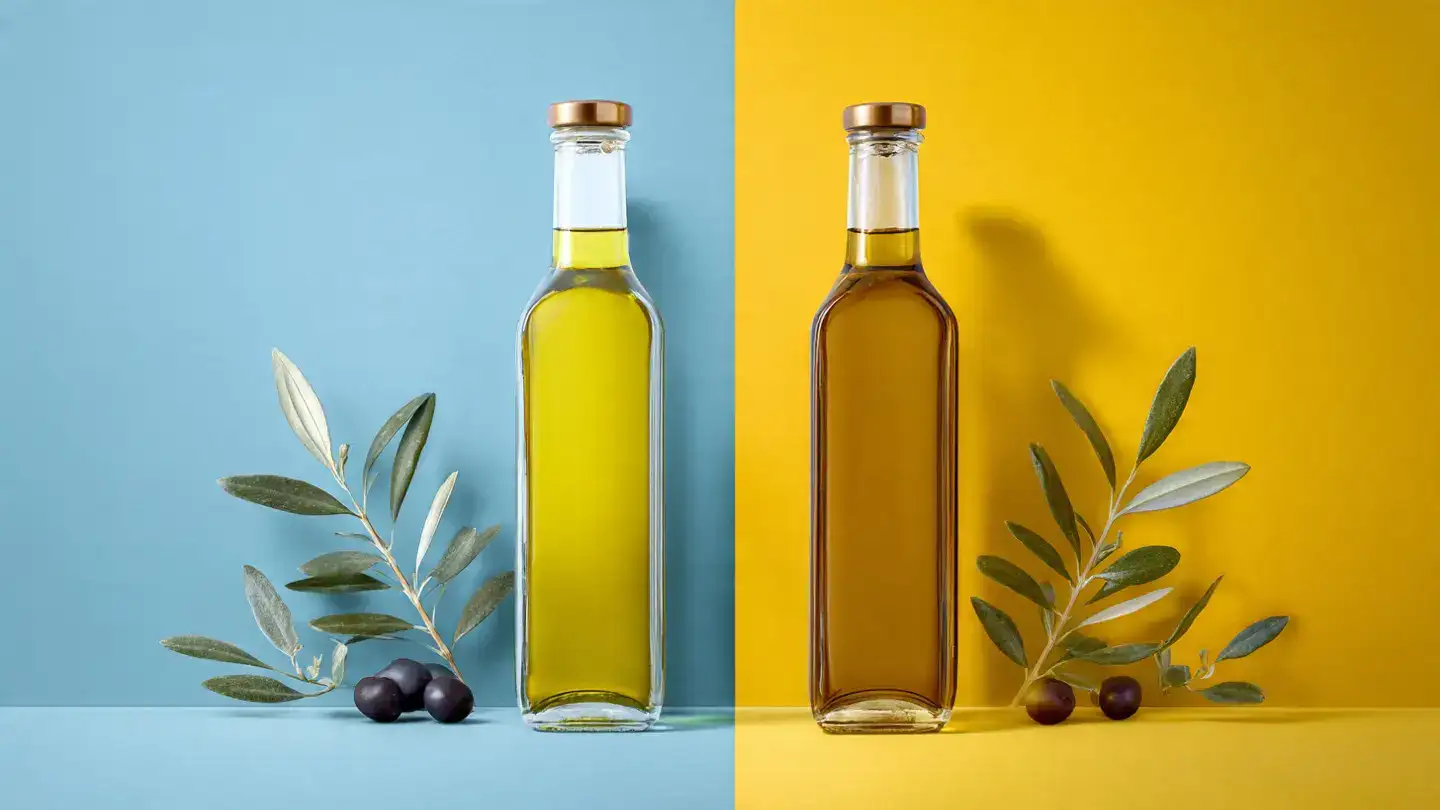
If the oil smells flat, greasy, waxy or unusually odourless, it may be mixed with lower-grade oils. Similarly, pure olive oil often leaves a mild peppery sensation at the back of the throat, which is considered a sign of freshness and natural antioxidants.
A bland taste with no depth may suggest dilution.
Adulterated olive oil mixed with refined vegetable oils may feel thinner than expected. While texture alone cannot confirm purity, it can support other observations when combined with smell and taste.
However, this is not a foolproof pure olive oil test , as the behaviour can vary depending on the olive variety and processing style. It should only be treated as a rough indicator rather than a final confirmation.
Look for harvest dates, best-before details, country of origin and certifications where available. Dark glass bottles or metal tins are usually better because they protect the oil from light damage.
If the packaging looks unclear, cheaply printed or lacks traceable details, it may be wise to avoid the product.
A bottle priced far below the usual market range may be one of the clearest fake olive oil signs . While discounts happen, unusually low prices should encourage buyers to check brand credibility, packaging and reviews more carefully.
If the oil smokes too quickly at moderate heat or gives off an unusual odour, it may contain blended refined oils. For healthy cooking oils , consistency in aroma and performance is often a reassuring sign of better quality.
Avoid loose or unsealed olive oil sold without proper labelling. Once opened, store the bottle in a cool, dark place with the cap tightly closed to preserve freshness.
Knowing how to identify adulterated olive oil is a useful everyday skill for healthier cooking and better purchasing decisions. By checking aroma, taste, texture, labels and price, consumers can spot warning signs before the oil reaches their meals. While no single home test guarantees purity, a combination of smart observation and trusted buying habits can go a long way in ensuring that the olive oil on your shelf delivers the quality and benefits you expect.
Image Courtesy: Meta AI
Check The Aroma And Taste Carefully
One of the easiest ways to judge olive oil purity is by its smell and flavour. Genuine olive oil, especially extra virgin varieties, usually has a fresh, grassy, fruity or slightly peppery aroma.If the oil smells flat, greasy, waxy or unusually odourless, it may be mixed with lower-grade oils. Similarly, pure olive oil often leaves a mild peppery sensation at the back of the throat, which is considered a sign of freshness and natural antioxidants.
A bland taste with no depth may suggest dilution.
Observe The Texture And Thickness
Texture can offer another useful clue. Olive oil should feel smooth and slightly rich when rubbed between the fingers, but it should never feel sticky or overly greasy.Adulterated olive oil mixed with refined vegetable oils may feel thinner than expected. While texture alone cannot confirm purity, it can support other observations when combined with smell and taste.
Try The Refrigerator Test With Caution
A common home method is the refrigerator test. When kept in the fridge for several hours, pure olive oil often turns cloudy and may partially solidify because of its natural monounsaturated fats.However, this is not a foolproof pure olive oil test , as the behaviour can vary depending on the olive variety and processing style. It should only be treated as a rough indicator rather than a final confirmation.
Read The Label And Packaging Details
Smart buying starts before the bottle is opened. Always check whether the label clearly mentions extra virgin, virgin or refined olive oil.Look for harvest dates, best-before details, country of origin and certifications where available. Dark glass bottles or metal tins are usually better because they protect the oil from light damage.
If the packaging looks unclear, cheaply printed or lacks traceable details, it may be wise to avoid the product.
Watch Out For Unrealistically Low Prices
Price can often reveal a lot. Since genuine olive oil production involves careful harvesting and pressing, pure oil is rarely very cheap.A bottle priced far below the usual market range may be one of the clearest fake olive oil signs . While discounts happen, unusually low prices should encourage buyers to check brand credibility, packaging and reviews more carefully.
Notice How The Oil Behaves In Cooking
Pure olive oil retains a clean aroma when lightly heated and should not produce an excessively sharp or artificial smell.If the oil smokes too quickly at moderate heat or gives off an unusual odour, it may contain blended refined oils. For healthy cooking oils , consistency in aroma and performance is often a reassuring sign of better quality.
Buy From Trusted Sources
The most reliable way to reduce the risk of food adulteration awareness issues is to buy from reputable brands, certified retailers or well-known grocery stores.Avoid loose or unsealed olive oil sold without proper labelling. Once opened, store the bottle in a cool, dark place with the cap tightly closed to preserve freshness.
Knowing how to identify adulterated olive oil is a useful everyday skill for healthier cooking and better purchasing decisions. By checking aroma, taste, texture, labels and price, consumers can spot warning signs before the oil reaches their meals. While no single home test guarantees purity, a combination of smart observation and trusted buying habits can go a long way in ensuring that the olive oil on your shelf delivers the quality and benefits you expect.
Image Courtesy: Meta AI
Next Story