
How To Identify Adulterated Pickles With Easy Kitchen Tests And Smart Buying Tips

Pickles are an essential part of many Indian meals, adding flavour, tang, and a sense of tradition to everyday dining. However, with increasing concerns around food adulteration, it has become important to ensure that the pickles we consume are safe and of good quality. Adulterated pickles may contain harmful additives, artificial colours, or low-quality ingredients that can affect both taste and health. Knowing how to identify such issues at home can help you make safer choices and protect your family’s wellbeing.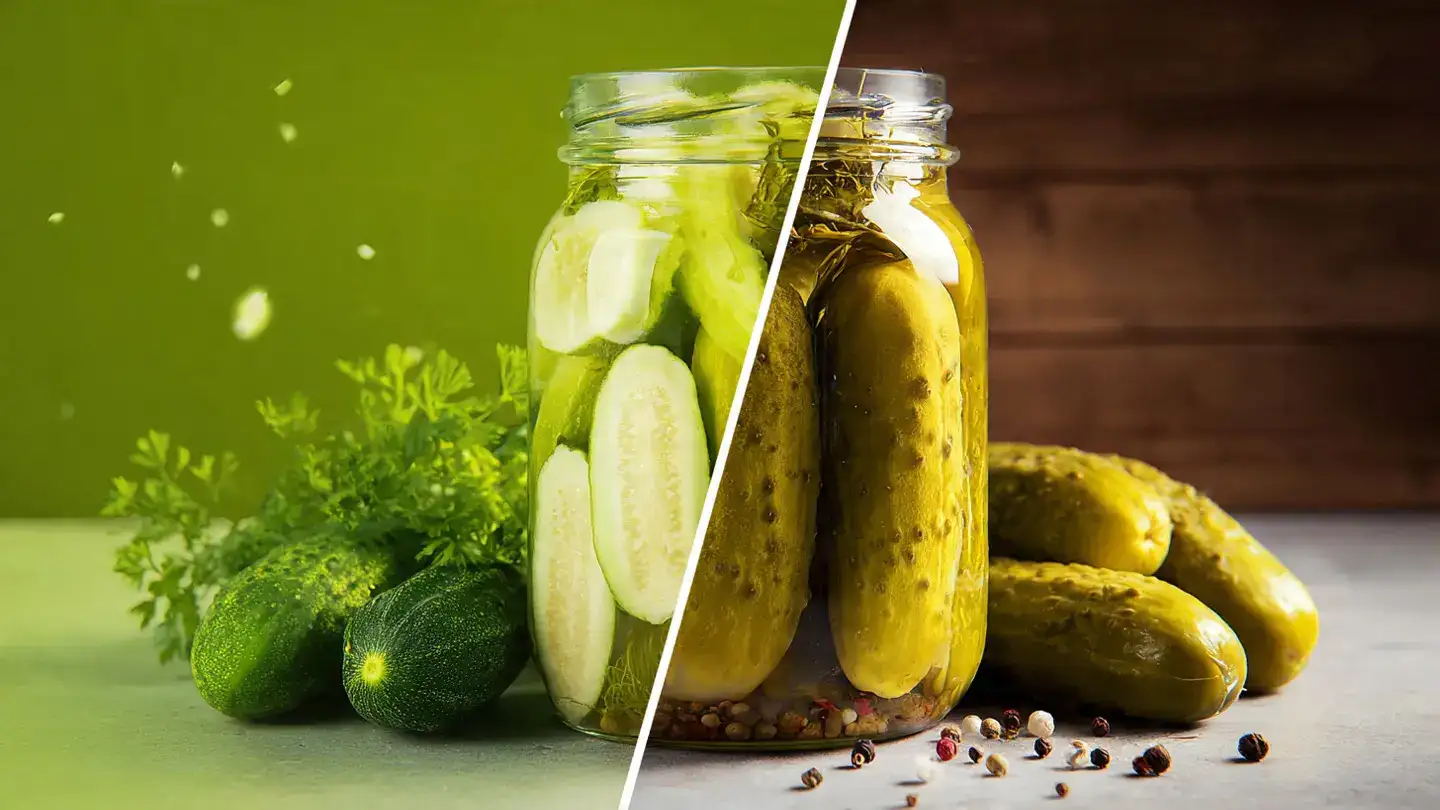
Manufacturers may add synthetic colours to enhance appearance or use low-quality oils and preservatives to extend shelf life. These practices can reduce nutritional value and may pose health risks over time. Understanding pickle safety tips is essential to avoid such concerns and maintain healthy eating habits.
If the pickle appears excessively bright or unnaturally vibrant, it may indicate the presence of artificial colouring agents. For example, mango pickles should have a rich but natural yellow or brown shade, not an overly glossy or fluorescent look.
Also, check for uniformity. Natural pickles often show slight variations in colour, whereas adulterated ones may look overly consistent.
If the pickle emits a sharp, chemical-like, or overly pungent odour, it could be a sign of synthetic additives or poor-quality oil. Trusting your sense of smell is an effective way to identify fake food products without any specialised tools.
If the oil looks excessively thick, sticky, or has an unusual colour, it may indicate adulteration or the use of inferior oil. Additionally, the texture of the pickle pieces should feel natural and firm, not overly soft or mushy.
A slimy or excessively greasy texture can be a warning sign that the product is not fresh or has been tampered with.
If the taste feels overly artificial, extremely bitter, or leaves an unusual aftertaste, it may indicate the presence of chemical additives. However, this method should be used cautiously, especially if you already suspect contamination.
Reliable brands usually provide detailed information about their ingredients and manufacturing process. Checking manufacturing and expiry dates is also important to ensure freshness and quality.
Choosing trusted sources is a key part of safe food practices and helps reduce the risk of consuming adulterated products.
Another method is to observe how the pickle reacts when left exposed for some time. Excessive oil separation or unusual changes in texture may signal poor quality or adulteration.
While these tests are not definitive, they can provide useful initial insights.
If buying from the market, opt for brands known for maintaining high standards and transparency. Supporting quality-focused producers not only ensures safety but also encourages better practices in the food industry.
Being aware of how to check adulterated pickles empowers you to make informed decisions. With a little attention to detail and simple checks, you can continue enjoying your favourite pickles while ensuring they remain safe, authentic, and full of flavour.
Image Courtesy: Meta AI
Why Pickle Adulteration Is A Concern
Food adulteration is a growing issue, especially in products that are widely consumed and stored for long periods. Pickles, due to their strong flavours and colours, can sometimes mask the presence of artificial substances or inferior ingredients.Manufacturers may add synthetic colours to enhance appearance or use low-quality oils and preservatives to extend shelf life. These practices can reduce nutritional value and may pose health risks over time. Understanding pickle safety tips is essential to avoid such concerns and maintain healthy eating habits.
Check The Colour And Appearance Carefully
One of the simplest ways to check adulterated pickles is by observing their colour. Natural pickles usually have a slightly uneven and earthy tone, depending on the ingredients used.If the pickle appears excessively bright or unnaturally vibrant, it may indicate the presence of artificial colouring agents. For example, mango pickles should have a rich but natural yellow or brown shade, not an overly glossy or fluorescent look.
Also, check for uniformity. Natural pickles often show slight variations in colour, whereas adulterated ones may look overly consistent.
Smell And Aroma Can Reveal A Lot
The aroma of a pickle is a strong indicator of its quality. Traditional pickles have a rich, spicy, and slightly tangy smell that reflects natural fermentation and the use of authentic ingredients.If the pickle emits a sharp, chemical-like, or overly pungent odour, it could be a sign of synthetic additives or poor-quality oil. Trusting your sense of smell is an effective way to identify fake food products without any specialised tools.
Examine The Oil And Texture
Oil plays a crucial role in preserving pickles. High-quality pickles are usually stored in good-quality oil that appears clear and has a natural aroma.If the oil looks excessively thick, sticky, or has an unusual colour, it may indicate adulteration or the use of inferior oil. Additionally, the texture of the pickle pieces should feel natural and firm, not overly soft or mushy.
A slimy or excessively greasy texture can be a warning sign that the product is not fresh or has been tampered with.
Taste Test With Caution
Tasting a small quantity can also help in identifying issues. Authentic pickles have a balanced flavour with the right mix of salt, spice, and tanginess.If the taste feels overly artificial, extremely bitter, or leaves an unusual aftertaste, it may indicate the presence of chemical additives. However, this method should be used cautiously, especially if you already suspect contamination.
Check The Label And Ingredients
When buying packaged pickles, always read the label carefully. Look for clear ingredient lists and avoid products with excessive artificial preservatives, colours, or unfamiliar chemical names.Reliable brands usually provide detailed information about their ingredients and manufacturing process. Checking manufacturing and expiry dates is also important to ensure freshness and quality.
Choosing trusted sources is a key part of safe food practices and helps reduce the risk of consuming adulterated products.
Simple Home Tests You Can Try
There are a few basic methods you can try at home to detect adulteration. For instance, rubbing a small amount of pickle on a piece of cotton can help identify artificial colours. If the cotton picks up strong colour stains, it may indicate the presence of synthetic dyes.Another method is to observe how the pickle reacts when left exposed for some time. Excessive oil separation or unusual changes in texture may signal poor quality or adulteration.
While these tests are not definitive, they can provide useful initial insights.
Prefer Homemade Or Trusted Sources
One of the best ways to ensure the quality of pickles is to prepare them at home or purchase them from trusted, reliable sources. Homemade pickle quality is easier to control, as you can select fresh ingredients and avoid unnecessary additives.If buying from the market, opt for brands known for maintaining high standards and transparency. Supporting quality-focused producers not only ensures safety but also encourages better practices in the food industry.
Being aware of how to check adulterated pickles empowers you to make informed decisions. With a little attention to detail and simple checks, you can continue enjoying your favourite pickles while ensuring they remain safe, authentic, and full of flavour.
Image Courtesy: Meta AI
Next Story