
How To Identify Adulterated Sugar At Home & Protect Your Family’s Health

Sugar is a staple ingredient in most Indian households, used daily in tea, sweets and countless home-cooked dishes. However, growing concerns around food safety have brought attention to the issue of sugar adulteration. According to experts, adulterated sugar may contain harmful substances added to enhance colour, texture or shelf life, posing potential health risks if consumed regularly. Learning how to identify impure sugar is therefore essential for families who wish to make informed and safe dietary choices. Fortunately, several simple checks can be carried out at home without specialised equipment to assess sugar quality before use.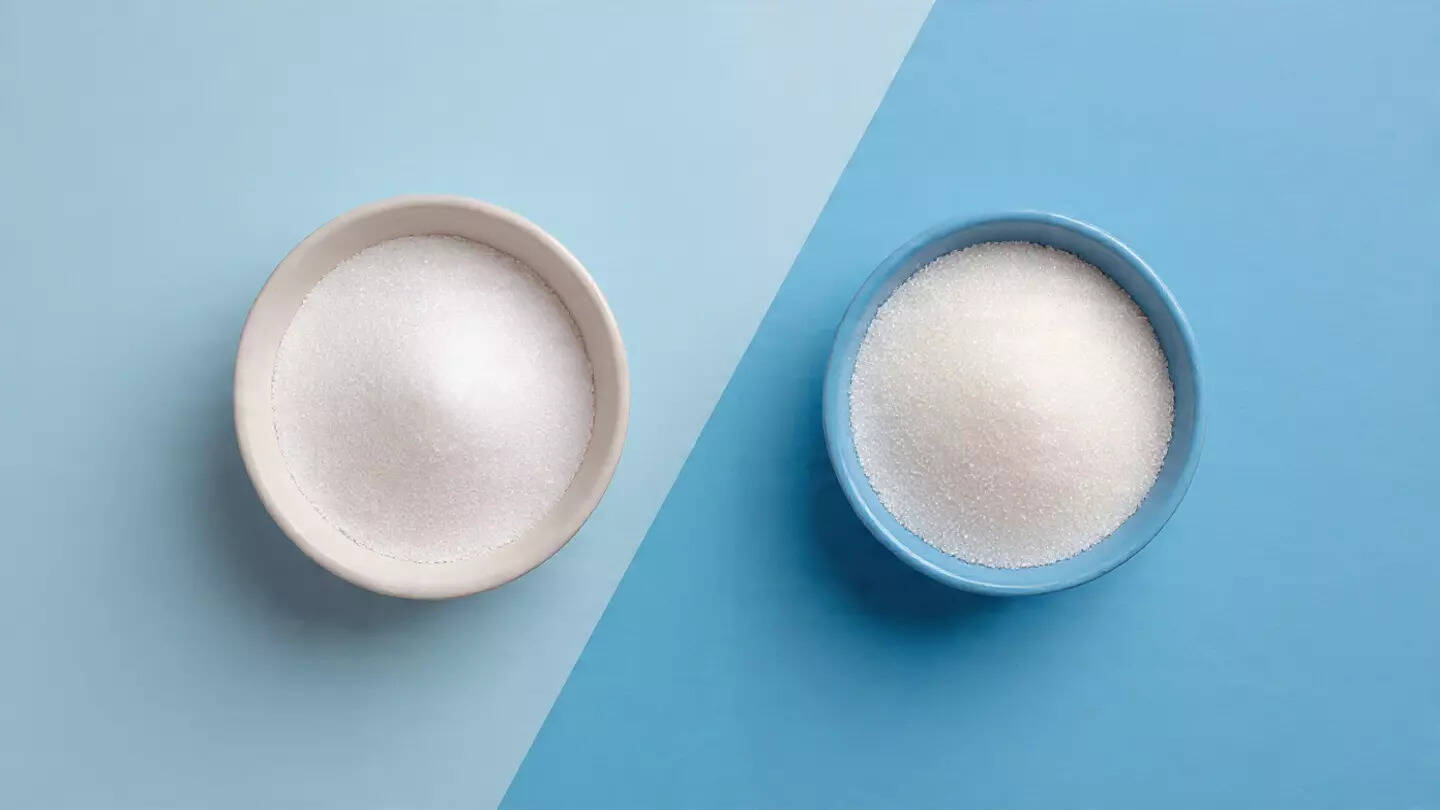
Disclaimer: This article is for information purposes only. The methods mentioned are basic household checks and not a substitute for laboratory testing. Readers are advised to consult food safety authorities or experts for professional analysis and guidance.
What Is Adulterated Sugar And Why It Is A Concern
Adulterated sugar refers to sugar that has been mixed with foreign substances such as chalk powder, washing soda, starch or synthetic whiteners. These adulterants are often added to improve appearance or reduce production costs. Food safety experts warn that long-term consumption of such impurities can lead to digestive issues and other health complications. While regulated manufacturers follow strict quality norms, unbranded or loosely sold sugar may carry a higher risk of adulteration.Common Adulterants Found In Sugar
According to food analysts, some of the most commonly reported adulterants in sugar include chalk powder, which adds weight, and washing soda, which enhances whiteness. In some cases, starch may be mixed to alter texture, while artificial sweeteners may be added to boost sweetness. These substances are not always visible to the naked eye, making simple home tests important for consumers.Simple Water Test To Check Sugar Purity
One of the easiest ways to check adulterated sugar is the water test. Take a glass of clean water and add a spoonful of sugar without stirring. Pure sugar will settle at the bottom and dissolve gradually when stirred. If the sugar floats, forms a milky layer, or leaves visible residues, it may indicate the presence of impurities. According to experts, chalk powder and washing soda often cause cloudiness in water.Heat Test For Detecting Synthetic Additives
Another effective method involves heating sugar gently in a clean pan. Pure sugar melts evenly and caramelises smoothly. If the sugar produces an unusual smell, excessive smoke or leaves behind solid residues, it could suggest adulteration. Food safety professionals advise performing this test carefully and in small quantities to avoid burning.You may also like
- Chhattisgarh Govt employees to get DA at par with central rates
- Protests erupt in Chandigarh over arrest of councillor's kin; Mayor slams 'wrong' treatment of women
- Mitchell lifts New Zealand to 300-8 in ODI opener against India
- Telangana to launch road safety campaign 'Arrive Alive'
- Indian-origin Thanedar to introduce bill to abolish ICE after fatal Minneapolis shooting
Starch Detection Using Iodine Solution
Starch is sometimes added to sugar as a cheap filler. To test for this, dissolve a spoon of sugar in water and add a few drops of iodine solution. If the solution turns blue or black, starch may be present. According to experts, pure sugar will not react with iodine and will retain its original colour.Checking Sugar Texture And Appearance
Visual inspection also plays a role in identifying adulterated sugar. Pure sugar crystals are uniform in size and sparkle naturally under light. Sugar that appears excessively white, powdery or uneven may have been treated with chemicals or mixed with foreign substances. Experts recommend avoiding sugar that clumps excessively or leaves powdery residue on fingers.Health Risks Associated With Adulterated Sugar
Regular consumption of adulterated sugar can affect digestion and overall health. Chalk powder may interfere with nutrient absorption, while washing soda can irritate the digestive tract. According to health experts, children, elderly individuals and people with pre-existing health conditions are more vulnerable to the adverse effects of contaminated food items.How To Reduce The Risk Of Buying Adulterated Sugar
Experts advise purchasing sugar from reputed brands that comply with food safety standards. Checking packaging for proper labelling and certification can help ensure quality. Storing sugar in a dry, airtight container also prevents contamination after purchase. Whenever possible, consumers should avoid buying sugar from unreliable or unverified sources.Importance Of Consumer Awareness
Food safety authorities emphasise that consumer awareness plays a vital role in reducing adulteration. By performing simple checks at home and reporting suspicious products, consumers contribute to better food quality standards. According to experts, informed buyers encourage manufacturers and sellers to maintain ethical practices.Disclaimer: This article is for information purposes only. The methods mentioned are basic household checks and not a substitute for laboratory testing. Readers are advised to consult food safety authorities or experts for professional analysis and guidance.






More from our partners


Loving Newspoint? Download the app now
