
How To Identify Adulterated Sunflower Oil At Home With Simple Checks For Safer Everyday Cooking

Sunflower oil remains one of the most widely used cooking oils in Indian kitchens because of its light texture, mild flavour and versatility in everyday meals. From frying snacks to preparing daily vegetables, it blends easily into almost every style of cooking. However, the growing concern around food adulteration has made many households more cautious about what they pour into their pans. Adulterated sunflower oil may be mixed with cheaper oils, low-grade substances or even reused industrial oils, which can compromise both taste and health. The good news is that a few practical checks at home can help you understand whether the sunflower oil you are using appears pure and safe for consumption.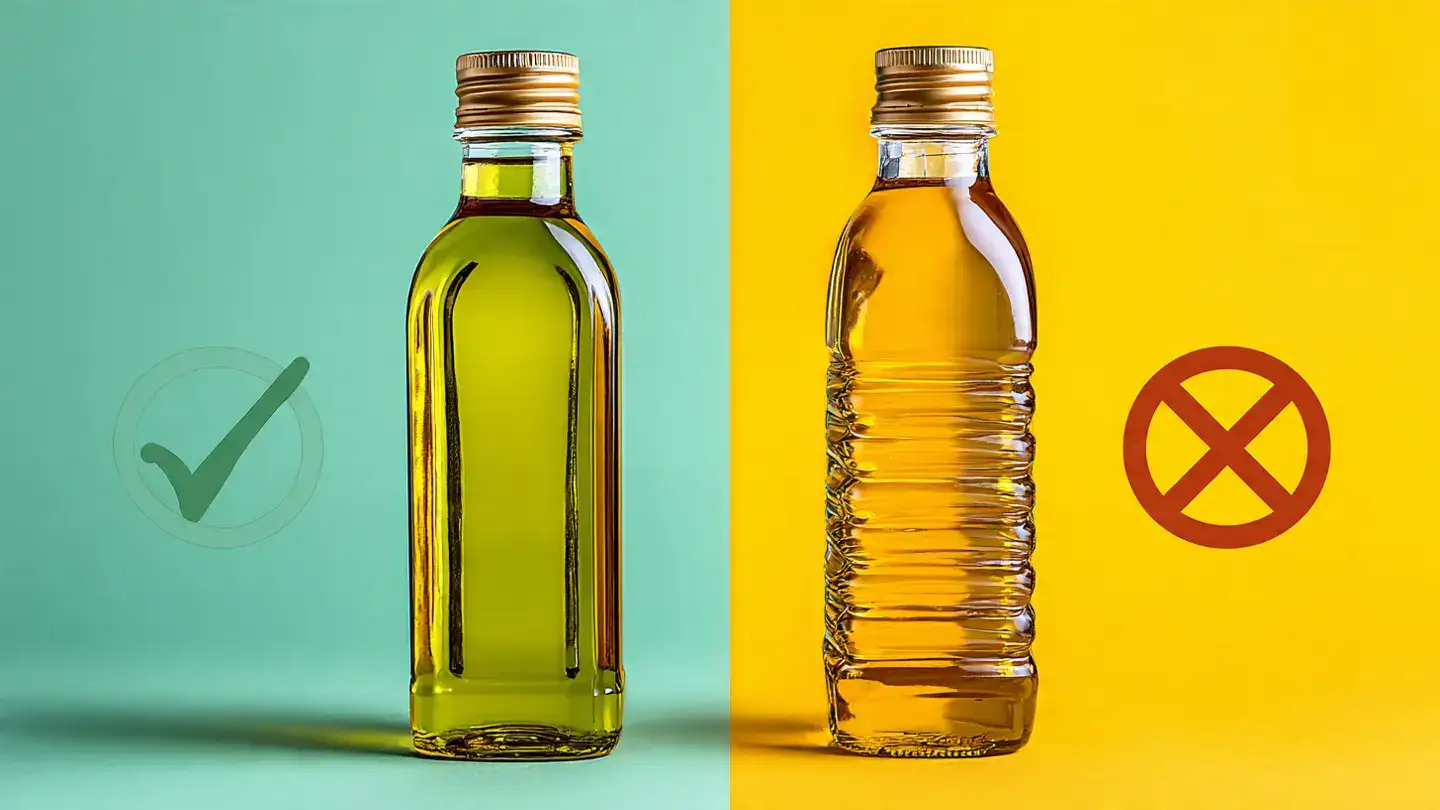
Pure sunflower oil is valued for its light consistency and balanced fatty acid profile. When it is mixed with cheaper oils, the cooking performance changes. Food may absorb more oil, develop an unusual smell or lose its natural taste. These subtle differences are often the first warning signs that something may be wrong.
If the oil appears unusually dark, murky or has visible particles floating inside, it may indicate contamination, poor filtration or possible adulteration. Sediment settling at the bottom of the bottle is another warning sign, especially if the product is freshly purchased and well within its shelf life.
A clean glass bowl can help make this check easier. Pour a small amount and hold it under natural light. Any strange haze or inconsistent colour should not be ignored.
If you notice a strong odour similar to rancid nuts, paint, chemicals or reused frying oil, it may suggest poor quality or adulteration. Sometimes sellers mix old oil with fresh oil, which creates a heavy smell that becomes stronger during heating.
Before using a newly opened bottle, always smell it directly from the cap and again after pouring a small amount into a spoon. A difference in aroma after exposure can also reveal quality issues.
Pure sunflower oil may become slightly thicker in low temperature, but it should not separate into distinct layers. If you notice cloudy patches, unusual solid chunks or visible separation, the oil may have been mixed with other fats or lower-grade oils.
This method is not a laboratory test, but it is a practical way to identify obvious inconsistencies in texture and composition.
If the oil foams excessively, gives off a burnt smell almost immediately or turns unusually dark after just one use, adulteration could be a possibility. Mixed oils often have lower heat stability, which affects cooking and may produce harmful compounds faster.
Pay attention to how your food turns out as well. If snacks become excessively greasy or vegetables lose their natural flavour, the oil quality may be compromised.
Avoid loose oil sold in unsealed containers unless it comes from a highly trusted and verified source. Sealed packaging reduces the risk of tampering and contamination.
The price can also offer clues. If a sunflower oil bottle is being sold far below the usual market range, it may be a sign of compromised quality.
Use clean, dry spoons while handling it and ensure the bottle cap is tightly sealed after every use. Proper storage helps preserve freshness and prevents oxidation, which can otherwise mimic the signs of impurity.
Sunflower oil plays an important role in daily cooking, so paying attention to its quality is essential for both flavour and health. By checking its colour, smell, refrigeration response, heating behaviour and packaging, households can make more informed choices. These simple habits not only help identify possible adulteration but also encourage safer and smarter kitchen practices for the long run.
Image Courtesy: Meta AI
Why Sunflower Oil Adulteration Is A Serious Concern
Food adulteration is not only a matter of poor quality but also a direct health concern. When sunflower oil is diluted with inferior oils, the nutritional value drops significantly. In some cases, repeated consumption of poor-quality oil may affect digestion, heart health and overall wellbeing.Pure sunflower oil is valued for its light consistency and balanced fatty acid profile. When it is mixed with cheaper oils, the cooking performance changes. Food may absorb more oil, develop an unusual smell or lose its natural taste. These subtle differences are often the first warning signs that something may be wrong.
Check The Colour And Clarity Carefully
One of the easiest ways to begin is by observing the oil visually. Pure sunflower oil generally has a clear, light golden-yellow appearance. It should look transparent and free from cloudiness at room temperature.If the oil appears unusually dark, murky or has visible particles floating inside, it may indicate contamination, poor filtration or possible adulteration. Sediment settling at the bottom of the bottle is another warning sign, especially if the product is freshly purchased and well within its shelf life.
A clean glass bowl can help make this check easier. Pour a small amount and hold it under natural light. Any strange haze or inconsistent colour should not be ignored.
Use The Smell Test Before Cooking
Aroma is one of the most reliable household indicators. Pure sunflower oil has a very mild and neutral smell. It should never feel sharp, stale or unusually greasy.If you notice a strong odour similar to rancid nuts, paint, chemicals or reused frying oil, it may suggest poor quality or adulteration. Sometimes sellers mix old oil with fresh oil, which creates a heavy smell that becomes stronger during heating.
Before using a newly opened bottle, always smell it directly from the cap and again after pouring a small amount into a spoon. A difference in aroma after exposure can also reveal quality issues.
Try A Refrigeration Test At Home
A simple refrigeration check can offer useful clues. Place a small bowl of sunflower oil in the refrigerator for a few hours.Pure sunflower oil may become slightly thicker in low temperature, but it should not separate into distinct layers. If you notice cloudy patches, unusual solid chunks or visible separation, the oil may have been mixed with other fats or lower-grade oils.
This method is not a laboratory test, but it is a practical way to identify obvious inconsistencies in texture and composition.
Observe How It Behaves During Heating
The way oil reacts in a pan often reveals its quality. Pure sunflower oil heats evenly and remains relatively neutral in smell. It should not start smoking too quickly on moderate heat.If the oil foams excessively, gives off a burnt smell almost immediately or turns unusually dark after just one use, adulteration could be a possibility. Mixed oils often have lower heat stability, which affects cooking and may produce harmful compounds faster.
Pay attention to how your food turns out as well. If snacks become excessively greasy or vegetables lose their natural flavour, the oil quality may be compromised.
Read The Packaging And Label Details
Home checks are useful, but smart buying habits matter just as much. Always inspect the label before purchasing. Trusted brands usually mention manufacturing date, batch number, FSSAI licence details, ingredients and nutritional values clearly.Avoid loose oil sold in unsealed containers unless it comes from a highly trusted and verified source. Sealed packaging reduces the risk of tampering and contamination.
The price can also offer clues. If a sunflower oil bottle is being sold far below the usual market range, it may be a sign of compromised quality.
Smart Storage Tips To Maintain Purity
Sometimes oil may seem adulterated when the real issue is poor storage. Always keep sunflower oil in a cool, dry place away from direct sunlight. Heat and moisture can change its smell, flavour and texture.Use clean, dry spoons while handling it and ensure the bottle cap is tightly sealed after every use. Proper storage helps preserve freshness and prevents oxidation, which can otherwise mimic the signs of impurity.
Sunflower oil plays an important role in daily cooking, so paying attention to its quality is essential for both flavour and health. By checking its colour, smell, refrigeration response, heating behaviour and packaging, households can make more informed choices. These simple habits not only help identify possible adulteration but also encourage safer and smarter kitchen practices for the long run.
Image Courtesy: Meta AI
Next Story