How To Identify Fake Black Pepper Using Simple Home Tests & Smart Visual Checks

Black pepper is one of the most widely used spices in Indian households, valued for its sharp aroma, heat and natural medicinal qualities. However, the rising demand for this spice has also led to increased adulteration, with many low-grade or artificial substitutes entering local markets. Consuming impure or counterfeit black pepper not only affects flavour but can also compromise health over time. Learning how to detect fake black pepper at home is therefore important, and fortunately, several simple checks can help consumers identify genuine peppercorns without the need for specialised equipment. Understanding these methods also empowers buyers to make informed choices and safeguard the quality of their everyday cooking.

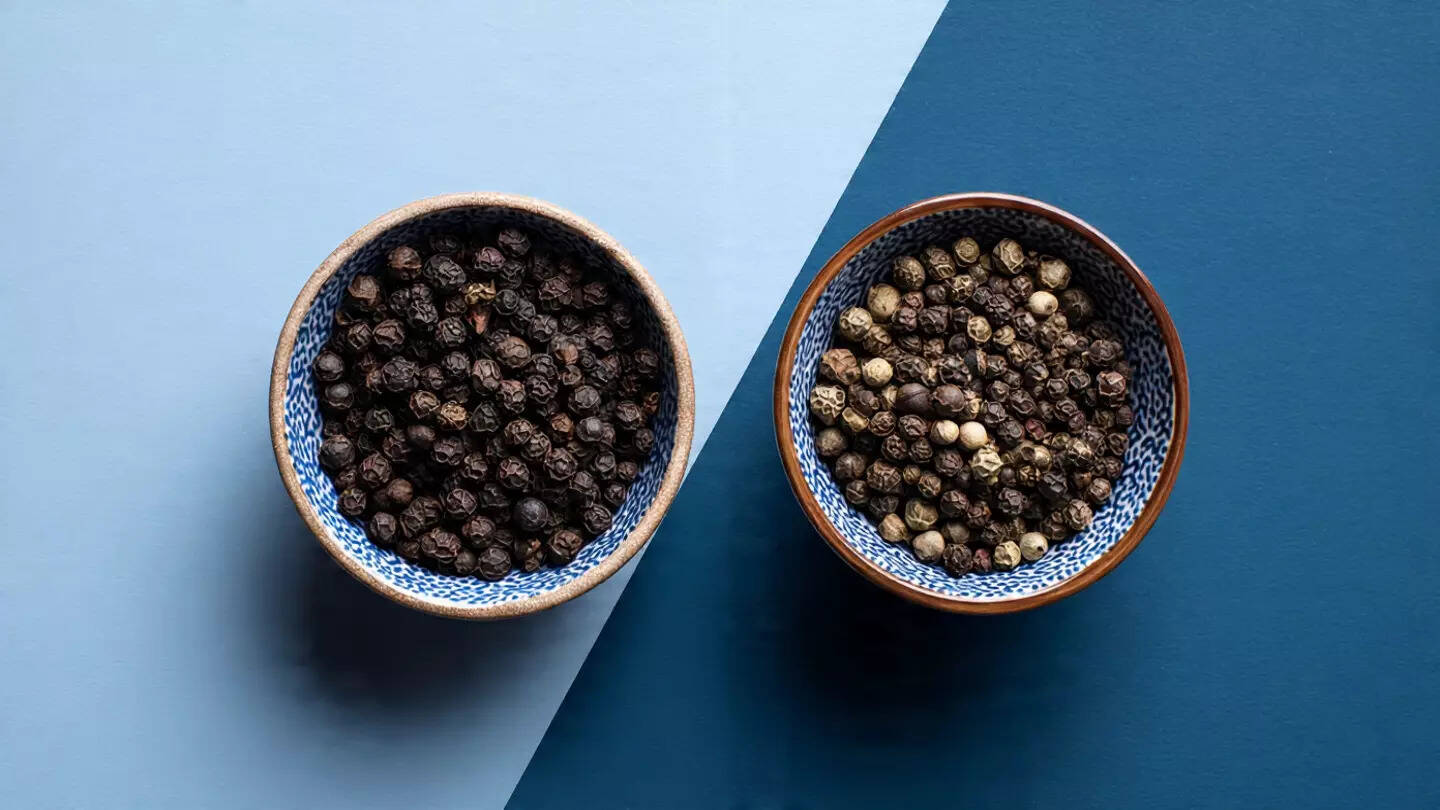
Visual Inspection To Spot Differences
A close visual examination is one of the easiest ways to identify counterfeit peppercorns. Real black peppercorns have a naturally wrinkled surface with irregular folds, as they are sun-dried fruits. Each peppercorn tends to be slightly uneven in shape and size, with a rough texture that indicates authenticity. Fake peppercorns, on the other hand, are often smoother, more uniform and unnaturally rounded. Some may appear glossy or artificially polished, which is uncommon in genuine pepper. Counterfeit varieties may also contain sawdust or papaya seeds moulded into small round shapes. Their colour is sometimes a giveaway, as artificial products often appear uniformly dark or show unusual shades that do not match the natural brown-black tone of true pepper.The Water Test For Quick Verification
A simple water test is one of the most reliable home methods to detect adulteration. Place a handful of peppercorns in a glass of plain water and observe their behaviour. Authentic black pepper has natural essential oils, making it relatively dense, so most of the peppercorns tend to sink slowly after a brief moment. Adulterated or fake peppercorns are often made of lighter materials, such as starch or compressed additives, causing them to float. If many peppercorns remain on the surface for a long time, it may indicate impurities. This test is not foolproof on its own but serves as a helpful first step in identifying suspicious samples.Crushing And Aroma Assessment
Genuine black pepper has a characteristic sharp and earthy aroma that becomes evident when the peppercorns are lightly crushed. The essential oils in real pepper release a strong fragrance that is difficult to replicate artificially. Fake peppercorns, especially those made from seeds or cheap fillers, produce either a faint smell or no aroma at all when broken. Crushing a few peppercorns between your fingers or using a small mortar can help reveal their authenticity. The interior of real pepper appears greyish or dark brown, while artificial versions may show an unusual pale, white or powdery inside.You may also like
- Denial of conjugal relations amounts to mental cruelty: Delhi HC
 [Update] Wakefit IPO: Issue Subscribed 39% On Day 2, Retail Portion Fully Booked
- Electoral failure driving Opposition to blame ECI, doubt SIR: Meghwal
 Mamata Banerjee tears up note on new MGNREGA norms, calls them 'insulting'
 Not Babar Azam But This Young Indian Cricketer Is The Most Searched Athlete In Pakistan
Heat Test For Detecting Starch-Based Adulteration
Some adulterated peppercorns are made using starch or processed seeds hardened into spherical shapes. Roasting a few peppercorns in a pan can help identify this type of adulteration. Authentic pepper releases a warm, spicy aroma when heated. Fake peppercorns, particularly those containing starch, may give off a burnt or chemical smell instead. They may also break or disintegrate quickly rather than crack open naturally. This method is useful for detecting peppercorns made using fillers or synthetic adhesives.Understanding Market Practices And Buying Safely
Many counterfeit peppercorns enter the supply chain through unregulated markets or informal sellers. Buying from trusted stores or reputable spice brands reduces the risk of adulteration. Well-packaged peppercorns often undergo basic quality checks before reaching consumers, offering more assurance than loose products sold without labelling. Additionally, checking for FSSAI licensing and avoiding unusually low prices can help buyers avoid fraudulent items. Awareness plays a significant role, and examining the pepper before purchase can prevent long-term risks.Importance Of Choosing Genuine Pepper
Authentic black pepper offers natural health benefits, including improved digestion and antioxidant properties, while counterfeit versions offer no nutritional value. Regular consumption of adulterated pepper may also expose individuals to contaminants or unsafe synthetic materials. Ensuring purity therefore enhances both the flavour and safety of home-cooked meals. By using simple household methods such as the water test, aroma assessment and surface inspection, consumers can confidently identify genuine pepper and keep their kitchen ingredients safe.





More from our partners


Loving Newspoint? Download the app now
