How To Identify Fake Coriander Powder With Simple At-Home Checks

Coriander powder is one of the most frequently used spices in Indian households, adding aroma and depth to countless dishes. However, increased demand has also encouraged the circulation of adulterated versions in the market. These impurities can dilute flavour, compromise food quality and raise health concerns when consumed regularly. Being able to distinguish genuine coriander powder from a counterfeit blend is essential for ensuring purity in daily meals. Simple home methods can help identify questionable aromas, textures and appearances, allowing consumers to make safer choices for their kitchens.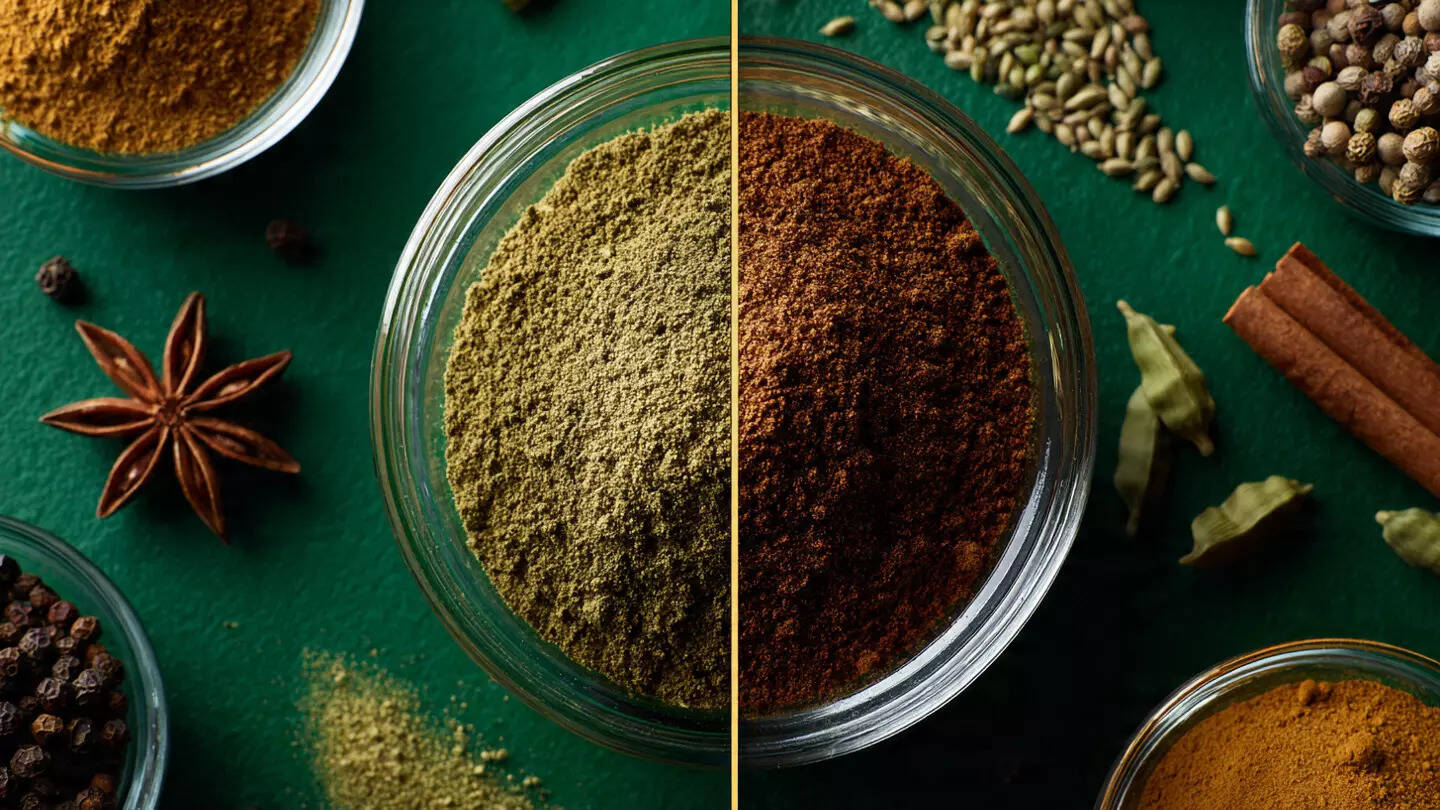
Why Coriander Powder Gets Adulterated
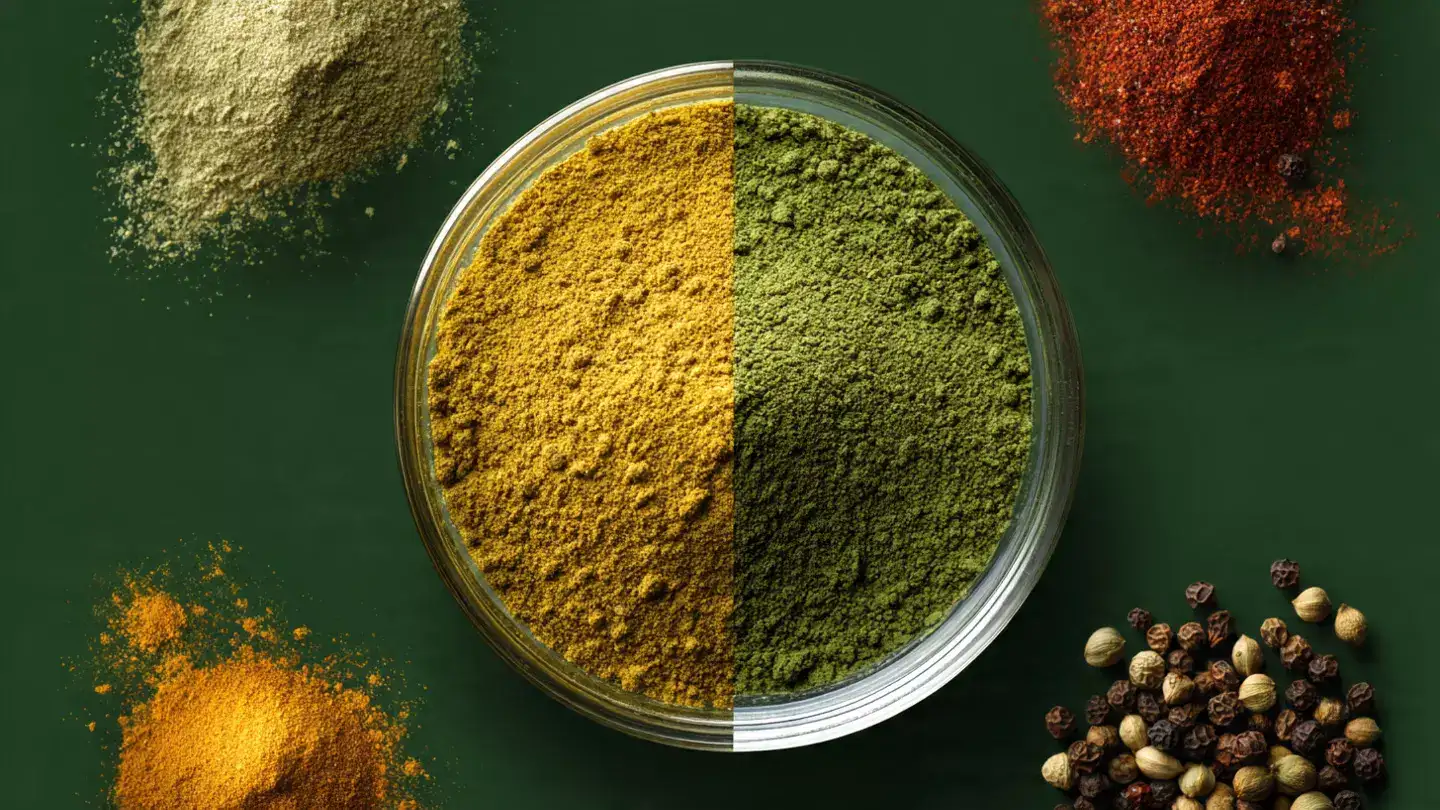
Adulteration often occurs because coriander seeds are more expensive than many fillers and colour-enhancing agents. Unscrupulous manufacturers may mix ingredients that mimic the appearance of ground coriander but lack its natural aroma and nutritional value. Common substitutes include husk powder, dried leaf residues, starch or artificially added colours. While some may seem harmless, others can irritate the digestive system or introduce chemical residues into food. Understanding why adulteration occurs helps consumers stay more alert while purchasing packaged spices.Examine The Colour And Texture Carefully
One of the first indicators of quality is its natural colour. Genuine coriander powder typically has a warm, sandy brown shade with a slightly uneven appearance due to variations in seed quality. Fake versions often appear either unusually dark or too bright, sometimes with an almost olive or yellowish tinge caused by added colourants. Texture also matters. Authentic coriander powder feels slightly coarse and fibrous, whereas adulterated versions may feel excessively smooth or powdery because of added starch or synthetic fillers. Rubbing a small amount between your fingers can help detect unusual consistency quickly.Conduct A Simple Aroma Test
Coriander powder has a distinct, earthy aroma with a hint of citrus, owing to natural essential oils present in the seeds. When adulterated, the fragrance becomes faint, artificial or completely absent. To test authenticity, place a small amount in your palm and warm it with gentle rubbing. Genuine coriander powder releases stronger, fresher notes when exposed to warmth. If the smell is dull or unusually sharp, it may indicate adulteration. This quick test is often reliable because artificial fillers cannot replicate the complexity of natural coriander’s aroma.You may also like
- Trump-Maduro spat: Venezuela to continue accepting deported migrants; move despite US's airspace closure assertion
- The MICHELIN Guide Announces Greater Boston Restaurant Selections
- Elnaaz Norouzi talks about doing bold comedy in 'Mastiii 4'
- Opposition to protest over new Labour Codes outside Parliament: Manickam Tagore
- Sensex, Nifty open flat as IT and pharma gain
Check For Excessive Moisture Or Clumping
High-quality coriander powder remains dry and free-flowing when stored properly. If you notice clumps, excessive moisture or a sticky texture, it may suggest the presence of damp low-quality fillers or poor storage conditions. Moisture not only increases the risk of spoilage but also encourages growth of mould or bacteria. Coriander powder that feels unusually heavy for its volume can also indicate added weight-enhancing substances. Regularly checking spice jars for signs of dampness helps maintain freshness and safety in the kitchen.Test A Small Quantity In Water
One of the easiest home checks involves adding a spoonful of coriander powder to a glass of water. Authentic coriander powder generally settles gradually at the bottom while releasing a faint natural colour. Adulterated powder may float, disperse unusually fast or release an unnaturally bright colour. Some fillers dissolve completely, creating a cloudy liquid, which genuine coriander does not do. While this method is not scientifically precise, it is helpful for identifying visible impurities quickly.Understand Packaging And Labelling Practices
Another important step is examining packaging labels, as reputable brands maintain strict quality checks. Look for manufacturing dates, batch numbers, ingredient lists and FSSAI-related information. A missing or incomplete label may indicate compromised quality. Vacuum-sealed or airtight packaging typically retains aroma better and reduces exposure to moisture. Choosing brands known for consistent quality can significantly reduce the risk of adulteration, though home tests remain useful even for packaged products.Store Coriander Powder Correctly For Purity
Even genuine coriander powder can lose its purity or flavour when stored incorrectly. Keeping it in airtight containers, away from heat and moisture, helps preserve its natural oils. Avoid storing spices above stoves or in places prone to temperature swings. Buying smaller quantities also ensures freshness, preventing prolonged exposure that can lead to clumping or deterioration. Proper storage plays an essential role in maintaining quality, especially in warm climates.Stay Vigilant And Prioritise Quality
Being able to identify adulterated coriander powder protects households from unnecessary health risks and ensures that meals retain their authentic taste. A combination of visual checks, aroma tests, simple home experiments and careful purchasing habits helps consumers make informed decisions. As coriander powder is used daily in many Indian kitchens, staying alert during every purchase and regularly assessing spice quality at home is a small but meaningful step towards ensuring safe and flavourful cooking.





More from our partners


Loving Newspoint? Download the app now
