How To Identify Fake Curry Powder & Protect Your Health At Home

Curry powder is a staple ingredient in countless households, adding colour, aroma and depth to everyday meals. However, rising demand and cost pressures have led to increased adulteration in spice products, including curry powder. Fake or adulterated curry powder may look appealing but can compromise both taste and health. Many consumers are unaware that common kitchen spices are sometimes mixed with artificial colours, fillers or low-quality substitutes. Learning how to identify fake curry powder is essential for ensuring food safety, maintaining nutritional value, and preserving the authentic flavour that good-quality spices bring to cooking.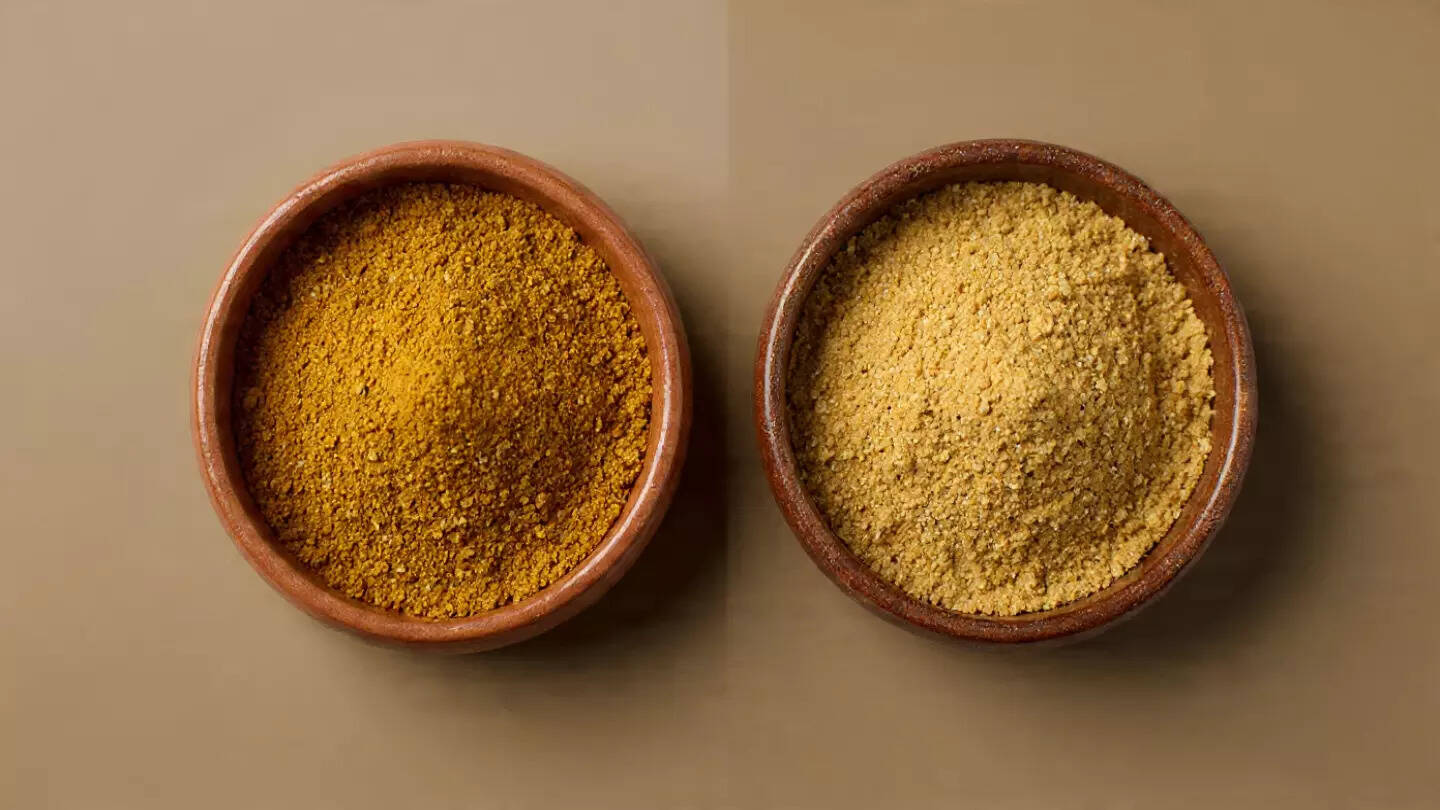
Rubbing a small pinch between your fingers can also help. Pure curry powder leaves a natural stain that fades gradually, while artificially coloured powder may leave a strong yellow or orange mark that is difficult to wash off.
For a taste test, place a tiny amount on your tongue without swallowing. Genuine curry powder will have layered flavours, starting mild and becoming slightly warm or spicy. Fake curry powder may taste bitter, chalky or overly harsh due to fillers or artificial additives.
This test is particularly useful for detecting non-permitted dyes that are sometimes added to enhance visual appeal. Artificial colours dissolve quickly, while natural spice pigments disperse slowly.
Avoid products with spelling errors, unclear addresses or missing contact information on the label. These are often signs of poor quality control and unreliable manufacturing practices.
Storing curry powder correctly is also important. Keep it in airtight containers away from heat and moisture to preserve aroma and prevent spoilage, which can sometimes be mistaken for adulteration.
By learning how to identify fake curry powder, consumers can make informed choices and reduce unnecessary health risks while enjoying authentic, flavourful meals.
Why Fake Curry Powder Is A Growing Concern
Fake curry powder is not always easy to identify at first glance. Manufacturers or sellers may mix it with cheaper ingredients such as starch, sawdust, chalk powder or artificial dyes to enhance colour and weight. Some adulterants are added solely to make the spice appear brighter or fresher, while others are used to increase volume and profits. Consuming such adulterated spices regularly can lead to digestive discomfort, allergic reactions and long-term health issues. This is why awareness about curry powder adulteration has become increasingly important for consumers.Check The Colour And Texture Carefully
One of the simplest ways to identify fake curry powder is by closely observing its colour and texture. Genuine curry powder usually has a natural, slightly muted yellow-brown or orange hue depending on the blend. If the powder appears unnaturally bright or fluorescent, it may contain artificial colouring. The texture should feel fine but not sticky. Excessively smooth or clumpy powder could indicate added starch or moisture-retaining agents.Rubbing a small pinch between your fingers can also help. Pure curry powder leaves a natural stain that fades gradually, while artificially coloured powder may leave a strong yellow or orange mark that is difficult to wash off.
Smell And Taste Test At Home
Authentic curry powder has a warm, complex aroma created by a blend of spices such as turmeric, coriander, cumin and chilli. If the powder smells flat, chemical or unusually sharp, it may be adulterated. A lack of aroma often signals that essential oils have been removed or diluted.For a taste test, place a tiny amount on your tongue without swallowing. Genuine curry powder will have layered flavours, starting mild and becoming slightly warm or spicy. Fake curry powder may taste bitter, chalky or overly harsh due to fillers or artificial additives.
Water Test To Detect Artificial Colour
A simple water test can help detect artificial dyes in curry powder. Add a teaspoon of curry powder to a clear glass of water without stirring. Pure curry powder will settle slowly at the bottom, releasing minimal colour. If the water turns bright yellow or orange immediately, it may indicate the presence of synthetic colouring agents.This test is particularly useful for detecting non-permitted dyes that are sometimes added to enhance visual appeal. Artificial colours dissolve quickly, while natural spice pigments disperse slowly.
Check Packaging And Labelling Details
Packaging offers important clues about whether curry powder is genuine. Always check for proper labelling, including ingredient lists, manufacturing dates, batch numbers and food safety certification marks. Reputed brands usually provide transparent information about sourcing and processing. Loose or unbranded curry powder sold without basic details carries a higher risk of adulteration.You may also like
- Bahrain Golden Visa 2025: A lower-cost, tax-free alternative to UAE and Saudi residency
- UPKL: Ganga Kings of Mirzapur secure first win after three defeats, edge JD Noida Ninjas
- Poor families to receive keys to their flats in New Year: Delhi CM Rekha Gupta
- Tripura student killing: Rahul Gandhi, Mizoram CM demand strict punishment
- WPL 2026: Mumbai Indians appoint Kristen Beams as spin bowling coach
Avoid products with spelling errors, unclear addresses or missing contact information on the label. These are often signs of poor quality control and unreliable manufacturing practices.
Buy From Trusted Sources
Where you buy curry powder matters as much as how it looks or smells. Purchasing from trusted retailers, known brands or certified organic stores reduces the risk of adulteration. While cheaper options may seem tempting, extremely low prices often indicate compromised quality. Whole spices ground at home are another safe alternative, as they allow complete control over freshness and purity.Storing curry powder correctly is also important. Keep it in airtight containers away from heat and moisture to preserve aroma and prevent spoilage, which can sometimes be mistaken for adulteration.
Health Risks Of Using Fake Curry Powder
Regular consumption of fake curry powder may expose the body to harmful substances such as artificial dyes or non-food-grade fillers. Over time, this can affect digestion, liver function and overall immunity. Children, elderly individuals and people with existing health conditions are particularly vulnerable. Choosing genuine spices is not just about flavour, but also about safeguarding long-term health.By learning how to identify fake curry powder, consumers can make informed choices and reduce unnecessary health risks while enjoying authentic, flavourful meals.






More from our partners


Loving Newspoint? Download the app now
